


In the "Divine Burial Tomb" on Wudang Mountain, a thousand generals of the Ming Dynasty are laid to rest.
2026-05-17 01:17:25
Qin Chu Feng News (Shiyan Media Reporter Yao Feng) At the foot of Zhanqi Peak in Zixiao Palace on Wudang Mountain, there lies a strange event that occurred over five hundred years ago: During the Ming Dynasty, He Ziqing, a thousand general, was in charge of repairing a palace and passed away. His coffin was suspended at the foot of the peak when suddenly a thunderstorm and a mountain landslide occurred, causing mud and rocks to fall and seal the coffin, creating a unique "divine burial" wonder in Wudang. Through field research, mutual verification of steles and local Chronicles, the reporter restored this past event buried in the dust of time, interpreted the Wudang cultural spirit of harmony and coexistence, unity and kindness, harmony between man and nature, and following the laws of nature contained therein, and added another beautiful story to the local history and culture of Shiyan.

Five hundred years ago, a sudden downpour came unexpectedly
The 800-mile-long Wudang Mountain boasts lush green peaks and majestic palaces, concealing countless unknown cultural secrets.
In early 2026, the Wudang Mountain Natural Landscape Investigation Team made a stunning discovery on the unnamed cliff face in front of the Zhanqi Peak of the Zixiao Palace: an ancient stele from the 10th year of the Jiaqing reign of the Qing Dynasty (1805) and a huge fallen rock embedded in the mountain, jointly telling a strange and touching story from the Chenghua period of the Ming Dynasty.
The protagonist of the story was named He Ziqing. He was from Puqi, Hubei Province (now Chibi, Hubei Province) during the Ming Dynasty. At that time, he held the position of Thousand General Manager and was ordered to assist in the construction of Wudang Mountain. Qian Zong was a military official of the sixth rank in the Ming Dynasty. He was responsible for supervising the construction of the buildings on Wudang Mountain, coordinating the craftsmen and on-site supervision. He was a key force in the construction of the imperial Taoist temple. He Ziqing was an honest official and cautious in his actions. He devoted his energy to the restoration and protection of the Wudang palaces and temples, earning the trust of the supervisory officials and craftsmen.
Chenghua was the era name of Emperor Xianzong Zhu Jianshen, the eighth emperor of the Ming Dynasty. It lasted from 1465 to 1487, a total of 22 years.

During the Chenghua period of the Ming Dynasty, He Ziqing, who was supervising the construction project on Wudang Mountain, fell ill due to overwork and unfortunately passed away. According to the ritual system and customs of that time, people wanted to transport their coffins back to their hometowns for burial, hoping to achieve peace and return to their roots. After comprehensive consideration, everyone chose a flat area behind the Black Tiger Temple in front of Zhanqi Peak as their temporary residence! This place, backed by mountains and facing water, is surrounded by arched peaks. It is a secluded spot, just waiting for the family of He Ziqing to bury them in their hometown.
No one could have imagined that a sudden storm would completely change the course of this funeral!
That night when the coffin was placed, the originally clear and cloudless sky suddenly changed color. Dark clouds turned as black as ink, and the fierce wind, carrying thunder, rumbled among the peaks. A torrential downpour, carrying rocks, rolled down in torrents. The vigil huddled in the makeshift shed, trembling with fear. Everyone stood in the rain, gazing in the direction of the coffin, extremely anxious. The entire Wudang Mountain seemed to tremble in the wind and rain, and the world was in a state of bewilderment.
The rain gradually subsided and the sky began to brighten. When everyone arrived at the place where the coffin was to be placed, the scene before their eyes was astonishing: a night of thunderstorms had caused a mountain collapse, and a huge mixture of mud and rocks slid down with a loud crash, burying the coffin tightly beneath, blending seamlessly with the mountain and unable to move in the slightest.

Upon hearing the news, He Xuan, the eldest son of He Ziqing, rushed over, heartbroken. He immediately decided to chisel a stone to open the coffin and ensure that his father's remains were moved back to his hometown for burial. The supervisor, the Vice Minister of the Water Department, dissuaded him, saying, "This place is surrounded by mountains and water. It is impossible to know that the Heavenly virtue is especially rare and fertile. Why was it chosen?"
On one side are the remains of a loved one, and on the other is the will of heaven that cannot be defied. On one side is the obsession with returning to one's hometown, and on the other is the original aspiration to protect the mountains of Wudang. He Xuan stood before the huge rock, tears streaming down his clothes, and remained silent for a long time. Finally, he bowed deeply to the falling rocks that buried his father's coffin and slowly uttered a sentence that shook the world: "My father spent his entire life practicing Wudang. Now that he has returned here, it is a divine burial."
With an extraordinary insight and courage, He Xuan chose to follow the will of heaven and let his father rest in peace among the Wudang Mountains and waters that he had devoted his entire life to protecting. This unexpected mountain flood created an unprecedented "divine burial" in the history of Wudang and also planted a cultural wonder spanning more than five hundred years.
Ii. Cultural Inheritance in the Collation of Local Chronicles and Fields
The "divine burial" of He Ziqing is recorded on a stone tablet as evidence and is not a folk tale! There is also a reliable historical record supported by three types of historical materials: epitaphs, local Chronicles, and family lineages. The stone tablet discovered in this investigation from the 10th year of the Jiaqing reign of the Qing Dynasty was re-erected by the entire He family of Puqi, Wuchang Prefecture. The inscription on the tablet details the entire process of He Ziqing's life, his supervision of the construction of Wudang, his death in his coffin, the thunderstorm and landslide, the erection of the tomb with a tombstone, and the prosperity of his family. It is the first-hand empirical material for solving this period of history.
The inscription on the stele records this strange encounter in great detail: "First, the sky cleared up, then suddenly there was a thunderstorm, and the rocks collapsed on their own." Wuhu! My grandfather 's coffin, 瘗 is in it." The words are plain and unadorned, yet they convey the suddenness of the change and the awe of later generations. From the Ming and Qing Dynasties to the Republic of China, the descendants of the He family have repeatedly repaired this stele, but they have never moved the huge stone that buried the coffin. They have adhered to the ancestral precepts of "following the way of nature", ensuring that the original aspiration of "a harmonious and benevolent family" is passed down from generation to generation.

By comparing the stele with the "Puqi County Annals" of the Daoguang period of the Qing Dynasty, one can gain a clearer understanding of the complete context of this past event. The county Chronicles record: "He Xuan, whose courtesy name was Daoxing, and his younger brother Bin, whose courtesy name was Bangxing, were both people of the Chenghua period and had good deeds." Father Renyuan, who held the position of a thousand chief, oversaw the construction of the Wudang Mountain Temple. He died of illness at the foot of the Zixiao Palace. A mountain rock collapsed and crushed his coffin into a high mound. Brother Xuan rushed over, heartbroken. The abbot offered him a divine burial and then set up a stele to leave in tears."
The text of the local chronicle is extremely simple, yet it precisely Outlines the core plot: the father's death, a landslide, the coffin being pressed down, consolation, and the erection of a monument. What is even more precious is that the county Chronicles have supplemented the key information that the He brothers "all have good deeds", closely linking the "divine burial" event with the family's tradition of passing down filial piety and kindness, thus forming a complete narrative of "filial piety touching heaven and good deeds being rewarded".
Field investigations and literature reviews have clearly restored the spiritual essence of the He Ziqing family: He Ziqing was an honest official. During his supervision of the construction of Wudang, he never cut off the provisions and salaries of the craftsmen and often used his own money to help poor craftsmen, demonstrating his benevolent and righteous deeds.

His sons, He Xuan and He Bin, carried on their father's tradition and their good deeds were widely known. After returning home, the family soon became wealthy and accumulated 180,000 shi of grain. One year, when famine hit, they generously opened the granary to provide relief to the disasters in Xianning, Xiangyin, Jiayu and Puqi. The relief lasted for three months and was highly effective. The imperial court established a "Righteous People's Archway" in Wuchang to honor them.
A sudden "divine burial" did not lead to the decline of the family. Instead, it flourished due to the inheritance of filial piety and kindness and the compliance with the natural order, confirming the ancient adage that "a family that accumulates good deeds will surely have blessings left."
From the concise educational narratives in local Chronicles to the detailed family memories in inscriptions, and then to the physical remains in the fields, the three types of texts mutually corroborate and complement each other, jointly constructing a real and tangible local history. The simple and unwavering commitment to establishing oneself with filial piety and passing on kindness to the family has become the most touching background color of Wudang culture!
Iii. The Wudang Avenue in the New Interpretation of Xiaoyi
The "divine burial" of He Ziqing, which may seem like an accident, actually embodies the core spirit of Wudang culture, such as filial piety, kindness, harmonious coexistence, unity and compassion, harmony between man and nature, and following the laws of nature. It provides us with a brand-new perspective to reinterpret traditional ethics.
Firstly, this is the inheritance of filial piety and fraternal duty beyond form. Traditional filial piety emphasizes "returning to one's roots with fallen leaves and having a grand funeral", but He Xuan's choice has broken the stereotypical perception of filial piety held by the public. He did not forcibly chisel stones to retrieve the coffin or damage the mountain for the sake of the so-called ritual system. Not defying the will of heaven for personal fame, but practicing true filial piety with the "Qi Tong Ci Jia". In the hearts of the He Xuan brothers, allowing their father's soul to return to its original place and blend with the mountains and waters he loved was far more important than reburying him in his hometown or paying attention to grandeur. This filial piety of harmony between man and nature, remaining true to the original aspiration and not harming nature, transcends the shackles of formalism and reaches the supreme realm of "where the heart is at peace is home", which is deeply in line with the concept of "following the way of nature" of Wudang Mountain.
Secondly, this is a virtuous act that is deeply ingrained in one's blood. The father and son of He Ziqing devoted their entire lives to doing good deeds: He Ziqing was an honest official, helping the poor and those in need, and providing disaster relief to save the people. The He Xuan brothers were kind-hearted and generous, distributing grain to help the people. Their family was honored by the government as a "righteous family" and became a model in the local area. Their kindness is not a momentary act of charity, but a lifelong commitment. It's not a performance for seeking fame and reputation, but a genuine love from the bottom of one's heart. This "divine burial" is more like a reward and fulfillment from heaven for the filial piety and kindness of the He family for generations! Taking heaven and earth as the mausoleum and mountains and waters as the company, allowing those who do good deeds to benefit future generations, it has built the spiritual backbone of the He family and also become a vivid interpretation of the "good success" concept in Wudang culture.
Thirdly, this is the ecological wisdom of harmony between man and nature. The core of Wudang culture is "the unity of heaven and man, and following the way of nature", emphasizing the harmonious coexistence of man and nature, and going with the flow rather than going against the will of heaven. He Ziqing oversaw the construction of Wudang Mountain, building palaces and temples in accordance with the mountain terrain and constructing roads along the water flow, following the laws of nature. After the coffin was buried by rocks, his sons, He Xuan and He Bin, chose to follow the will of heaven. This is not only an inheritance of ecological concepts but also a protection of the ecological environment of Wudang. In ancient times when large-scale construction projects were being carried out and mountains were being excavated, the He father and son practiced the principle of "revering nature and conforming to the way of heaven" through their actions, embodying the simple yet advanced ecological ethics of the ancient Chinese.
Fourth, this is a profound manifestation of Shiyan's regional culture. Wudang Mountain is not only a sacred place of Taoism but also the core carrier of the regional culture of Shiyan. The "divine burial" of He Ziqing took place in Wudang, was recorded in local Chronicles, preserved on steles and passed down among the people. It is a genuine local cultural heritage. By presenting a grand culture through a small entry point and carrying a great spirit through small stories, it fully demonstrates the diversity, depth and uniqueness of Shiyan's historical and cultural heritage. This past event is a vivid footnote to Wudang culture and also the source of vitality for the people of Shiyan to pass on filial piety and kindness to their families, respect nature and uphold the spirit of morality.
Fourth, the perpetuation of cultural heritage reflects the original aspiration of the contemporary era
More than five hundred years have passed, and the artisans and loved ones of the past have long turned to dust. However, the story of filial piety and kindness passed down and following the natural order still lingers on the land of Shiyan, offering profound enlightenment to people today.
This story reminds us that true filial piety is never bound by formality but lies in reverence and understanding. He Xuan followed the natural order and fulfilled his filial duties in accordance with the laws of nature, telling us that filial piety is not about being stubborn, not about destroying nature, not about pursuing empty fame, but about ensuring the peace of the deceased, the peace of mind of the living, and the harmony of heaven and earth. This view of filial piety still holds strong practical significance today, guiding us to abandon bad habits such as extravagant funerals and meager care for the elderly, and return to the essence of respecting and caring for the elderly.
This story teaches us that kindness is the best family tradition and morality is the longest inheritance. The He family has thrived because of filial piety and kindness, and has been remembered in history for its righteous deeds, which proves that only with a pure family ethos and a kind heart can a family thrive and enjoy long-lasting blessings. Today, as we vigorously promote family traditions and education and build a civilized Shiyan, the kind and righteous deeds of He Ziqing and his son provide us with a vivid example, inspiring us to establish ourselves with kindness and act with righteousness, allowing the spirit of filial piety and kindness to permeate the land of the car city.
This story makes us think more deeply. The harmonious coexistence of human beings and nature is an eternal wisdom for survival. The charm of Wudang Mountain stems from people's awe and protection of nature over thousands of years. This is highly consistent with our current philosophy of giving priority to ecological conservation and pursuing green development, and safeguarding Wudang Mountain, a world-class ecological and cultural treasure. Only by respecting nature, following the laws and protecting the mountains and waters can we make the sky bluer, the mountains greener and the water clearer in Shiyan, and ensure the continuous inheritance of the Wudang cultural heritage.

The eight-hundred-li Wudang River, every stone has a story and every breeze contains culture. The "Divine Burial Tomb" of He Ziqing, in the most simple way, carries the spiritual core of filial piety, kindness, morality and harmony, becoming a warm and profound bright spot in Wudang culture. This long-forgotten past, after field investigation, has been brought to light. It is not only an important achievement in the research of local culture in Shiyan, but also a precious resource for us to inherit excellent traditional culture and promote the spirit of The Times. It tells us that history has never faded away and culture is always present. The filial piety, kindness, reverence for nature and going with the flow that are deeply engraved in the blood of the Chinese nation will eventually traverse the years and illuminate our path forward.
Editor: Li Xiao

Love never stops at reaching. "Wudang, I'll be back again!"
2026-06-26 15:11:19
Love never stops at reaching. Diego, an Italian youth, hiked...
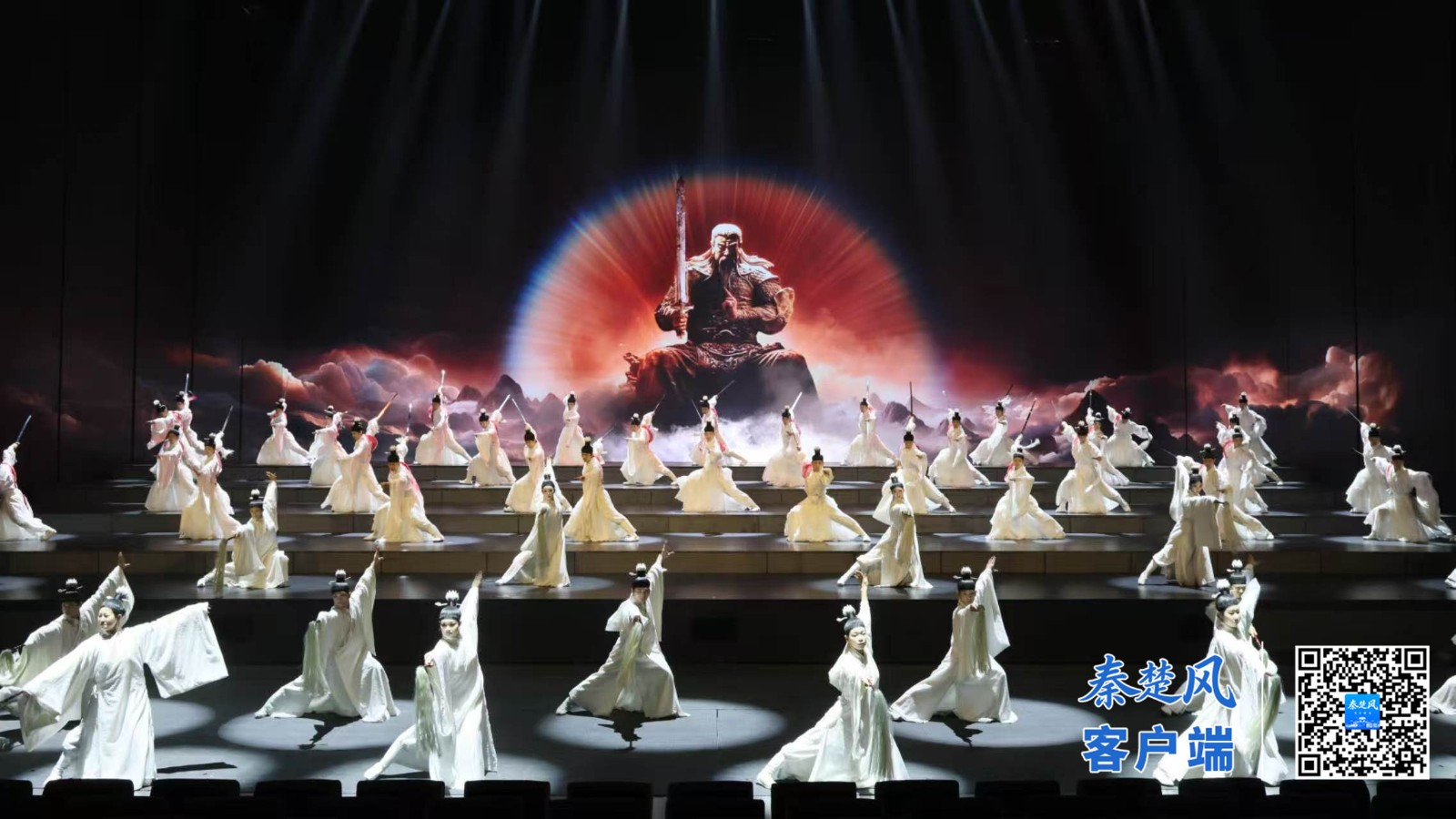
Announcement on the Adjustment of Performance Time for "Wudang Yimeng
2026-04-09 22:56:30
Dear visitors: In order to further optimize the experience o...
Special offer air tickets for Shiyan Wudangshan Airport starting from 200 yuan in March have been released
2026-04-10 00:01:36
The warm March breeze is here. Saying goodbye to the high pr...
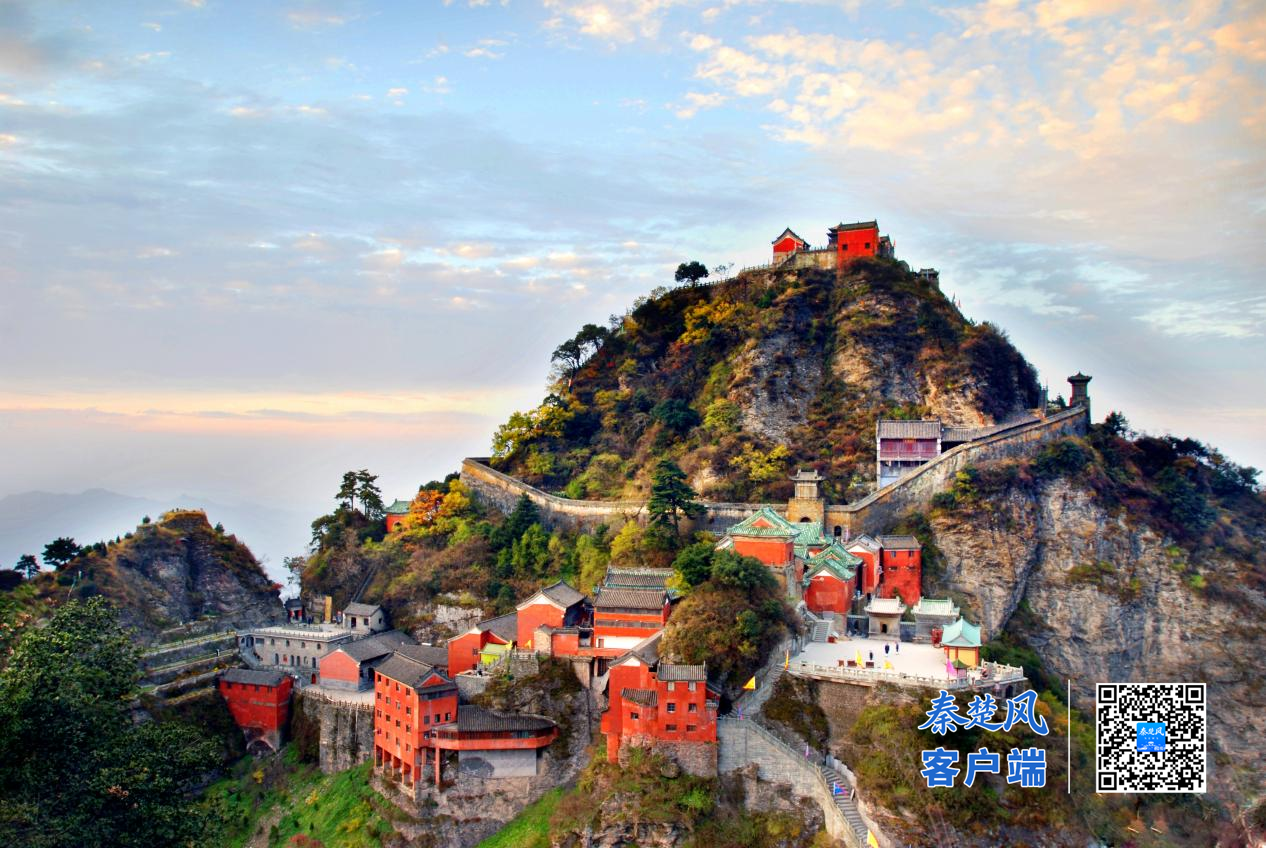
Female visitors can enter the park at half price! Wudang Mountain Scenic Area is offering discounted tickets
2026-04-09 22:02:47
Qin Chu Feng News (Correspondent Tan Mengjie) To celebrate I...

101 Reasons to Stay in Hubei: Wudang Jack: Please Call Me "Old Nei"
2026-04-09 22:03:58
Jack, an American young man who has practiced martial arts o...
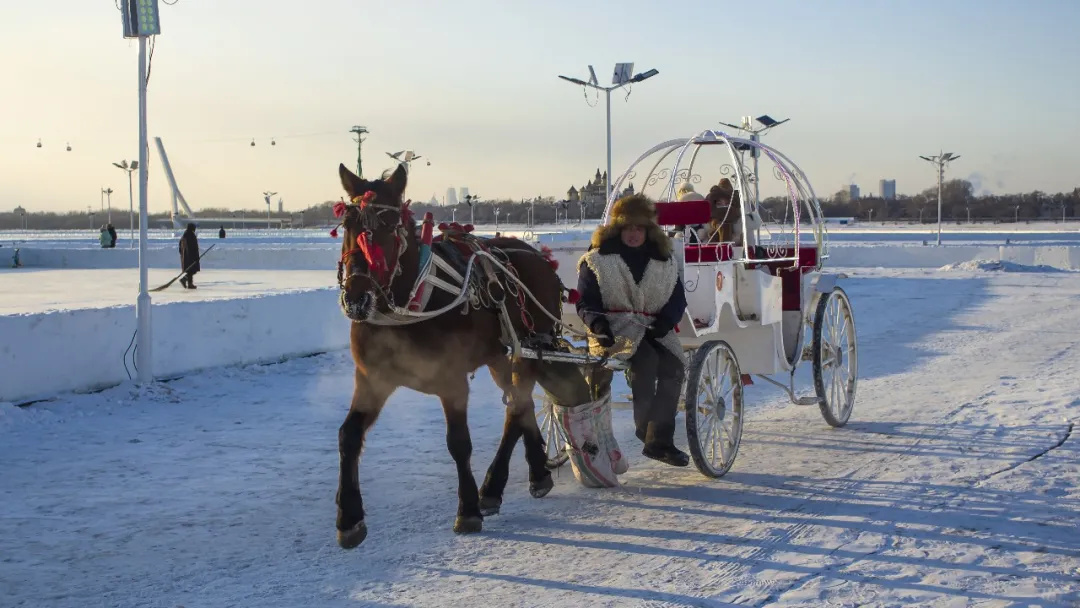
Shiyan Wudangshan Airport has newly opened routes to Harbin and Zhuhai. Low-priced air tickets are now available for grabs
2026-04-09 21:56:47
Here it comes! Finally here it comes! Starting from March 31...
On the Golden Summit of Wudang Mountain, which is 1,612 meters above sea level, this "long-lived family" is little known
2026-04-09 22:07:49
Qin Chu Wind News (Shiyan Media Reporters Lu Wei and Liu Kun...

Because of the beautiful scenery of Wudang, people come to stay for the city's best views. "Shiyan, the city of immortal mountains and clear waters" is making all-out efforts to attract tourists
2026-04-09 22:06:08
On the evening of March 11th, at the foot of Wudang Mountain...