


Chapter 79
2022-08-20 23:32:13
Great resentment will surely leave behind resentment. Can repaying resentment with virtue be considered good? Therefore, the sage adheres to the principle of "left and right" and does not blame others. If one has virtue, one should make a contract; if not, one should make a thorough examination. The way of heaven has no relatives; it always favors the virtuous. Reconciling deep grudges will inevitably leave behind lingering grudges. How can repaying resentment with virtue be considered a proper approach? Therefore, the sage of the way keeps the stub of the promissory note, but does not force others to repay debts by doing so. A person of virtue is as forgiving as a sage holding an IOU, while one without virtue is as harsh and cunning as a tax collector. The laws of nature show no favoritism to anyone and always help the virtuous and kind. [Note] 1. Repaying resentment with virtue: Many scholars believe that this sentence was originally in Chapter 63, but according to the context, it should be in this chapter. 2. Contract: Agreement. 3. Responsibility: To demand what is owed. 4. Censor: An official position in charge of taxation. 5. No partiality: No favoritism or partiality. [Quote] This chapter continues to discuss the principle of "reducing the surplus and supplementing the deficiency", reminding those in power not to hold grudges against the people and warning rulers not to intensify conflicts with the common folk. Because the grudges are too deep, it is difficult to reconcile. Using taxes to exploit the people and criminal law to restrain them will both cause resentment towards the people. Therefore, those in power should, like the virtuous sages, practice "non-action" governance, influence the people with "virtue", give without taking, and not disturb or harm the people. This is what is meant by "holding the left contract but not blaming others." [Commentary] In this chapter, there is a sentence that goes, "The sage holds the left deed but does not blame others." It is hoped that people will be virtuous and do good deeds, so that they may be protected by the Way of heaven. Because of the principle of "no way and no relatives", one is very fair to all things and does not have a special affection for any particular object. A person of virtue and good deeds receives the help of "Heaven" because it is the result of his compliance with the laws of nature and the outcome of his own efforts. This is to persuade those exploitators, urging them to accumulate virtue and do good deeds and not to disturb the people, otherwise they will be punished by the laws of nature. In this chapter, he particularly emphasizes this point. He says that resolving major enmity with "virtue" will surely leave behind residual resentment. The best approach is to create enmity with others, that is, to demand that the ruler practice a quiet and non-actional governance, assist the people without interfering with them. Give to the people without asking for anything in return. In this way, there will be no accumulation of grudges and enmity. This is the best strategy for governing the country and administration. Otherwise, wanton exploitation and plundering, as well as the arbitrary application of severe laws and punishments to restrain and restrict the people, will lead to enmity with the people. This is the worst strategy for governance and administration.
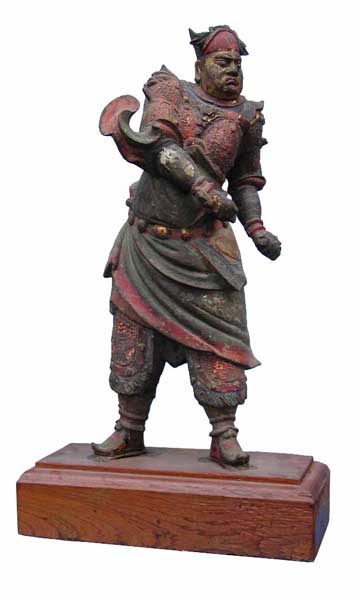
One of the stars of the Big Dipper
2026-04-15 11:51:31
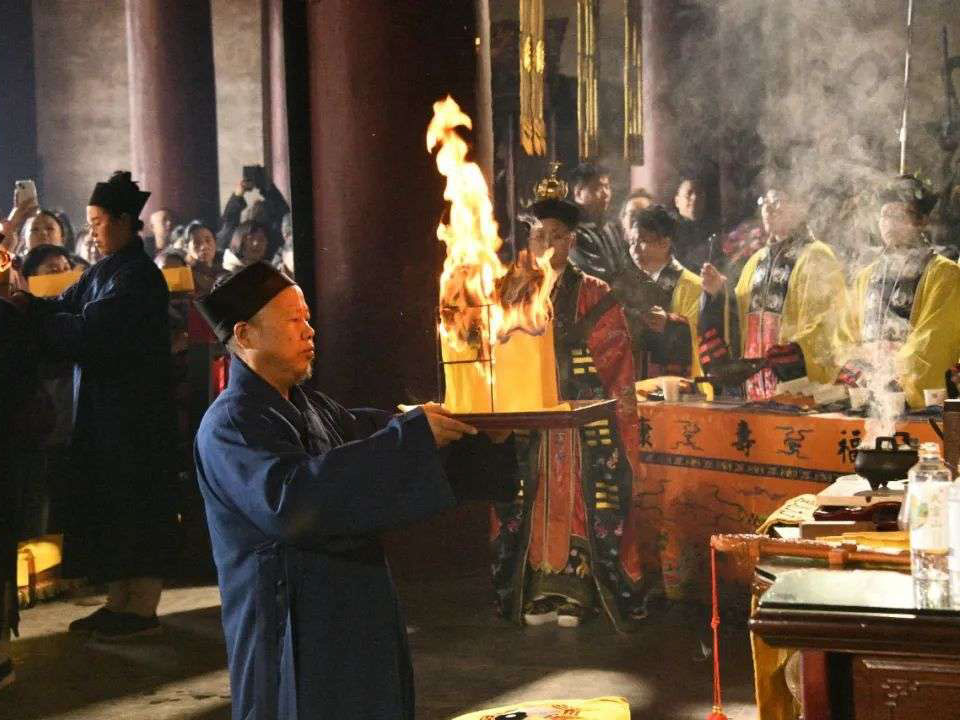
(1) The meaning of the ritual of fasting and Taoist ceremonies
2022-08-20 23:32:13
The original meaning of "zhai" was to be neat, harmonious an...
Yin GUI
2022-08-20 23:32:13
Chapter 27
2022-08-20 23:32:13
Chapter 72
2022-08-20 23:32:13
The couplet of the ancestral hall of the Wudang Mountain Temple
2022-08-20 23:32:13
Chapter 19
2022-08-20 23:32:13