


Chapter 78
2022-08-20 23:32:13
Nothing in the world is weaker than water, and no strong fighter can defeat it, for it is impossible to change. The weak can overcome the strong, and the gentle can overcome the hard. Everyone in the world knows this and no one can do it. Therefore, the sage said, "Those who bear the filth of the state are called the masters of the state." To be the king of the world is to receive the misfortune of the state. A correct statement can be reversed. Nothing in the world is more fragile than water, but in the battle against difficulties and challenges, nothing can surpass water. Weakness overcomes strength, softness overcomes hardness. No one in the world is unaware of this, but no one can put it into practice. Therefore, the sage with the Tao said: "Only by bearing the humiliation of the whole country can one become the monarch of the country; only by bearing the disasters of the whole country can one become the king of the world." It seems as if positive words are being said in reverse. [Note] 1. Unalterable: Easy, to replace or substitute. It means that nothing can replace it. 2. Suffer the humiliation of the state: Humiliation. It means to bear the humiliation of the whole country. 3. Receiving misfortune: Misfortune, disaster, calamity. It means to bear the disasters of the whole country. 4. Right words seem contrary: Positive words appear as if they were the opposite. [Quotation] This chapter takes water as an example to illustrate the principle that the weak can overcome the strong and the gentle can overcome the hard. Chapter Eight states, "Water benefits all things without contention." This chapter can be read in connection with the content of Chapter Eight. The example of water given by Laozi is very common in People's Daily lives. Water is the most delicate, but gentle water can penetrate hard rocks. The surface of water seems weak and powerless, yet it possesses a force that no force can resist. This clearly shows that the "weakness" and "gentleness" mentioned by Laozi do not mean being weak and powerless as people usually refer to. Here, because water tends to descend and be humble, Laozi expounded the concept of being humble and humiliated. In fact, this was able to maintain a high position and possess strong power. At the end of this chapter, there is a sentence: "Right words seem contrary," which summarizes Laozi's dialectical thought in a concentrated manner. Its meaning is very profound and rich. [Commentary] The content of this chapter mainly includes two points: The first is the praise for water; The second is "correct words may be contrary." Zhang Songru said, "In the world, it is not uncommon to see cases where the weak can defeat the strong and the gentle can overcome the hard." Laozi, who lived at the end of the Spring and Autumn Period, personally experienced many major changes of this era and witnessed the evolution of the Zhou Dynasty, which was once the supreme ruler of the world, from its peak to its decline. This could not but have a significant impact on his thoughts. Meanwhile, during this period, with the extensive use of ironware, human beings' understanding of natural phenomena was also constantly developing in the struggle to conquer nature. In more distant times, the characteristics of water were not yet well understood by people. Preserving the legend of Yu controlling floods in the Shan Hai Jing is quite different from the understanding of the flexibility and function of water in Laozi's books. Laozi believed that although water seems weak and humble on the surface, it can penetrate mountains and rocks, flood fields and destroy houses. Nothing strong can stop or defeat it. Therefore, Laozi firmly believed that the weak would surely overcome the strong. Here, the "softness and weakness" that Laozi refers to is a combination of softness and strength, weakness and strength, and an incomparable tenacity. Therefore, for Laozi's proposition of being as weak as water, it should be deeply understood and not remain at the surface level. From this, Laozi believed that the sage who embodies the Dao is like water, willing to remain in a humble and weak position, and implements "non-action governance" over the country and the people. Let's talk about the saying "Right words may be contrary." Laozi's statement, "Right words seem contrary," is a highly condensed summary of the opposing yet complementary remarks throughout the book, for instance: "Great achievement seems to be incomplete", "great abundance seems to be aggressive", "great straightness seems to be bent", "great skill seems to be clumsy", "great eloquence seems to be slow", "understanding the way seems to be ignorant", "advancing the way seems to be retreating", "the way of the foreign is like a kind", "the highest virtue is like a valley", "great knowledge is like humiliation", "broad virtue seems to be insufficient", "building virtue seems to be concealed", "true character is like a jade", "generosity has no corner", "great talent comes late", "great sound is silent", and so on. Sun Zhongyuan said, "Even the sentence structures here are similar." ... They were originally distinct, mutually exclusive and opposed to each other. However, under certain conditions and in a certain sense, the concept representing a specific thing and its counterpart have become unified. The two contain, integrate, permeate and are the same and consistent with each other. In this way, within the same judgment, there is the flow and transformation of opposing concepts, demonstrating the flexibility of concepts. This flexibility is conditional, and Laozi's words only make sense under certain conditions."
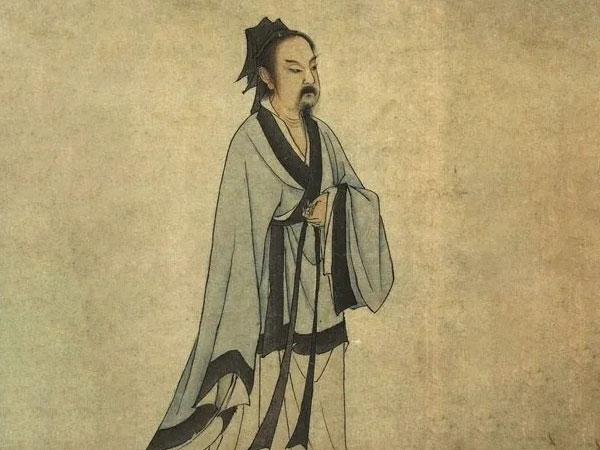
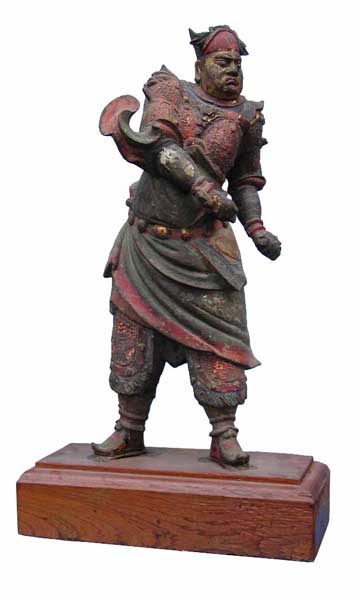
One of the stars of the Big Dipper
2026-04-15 11:51:31
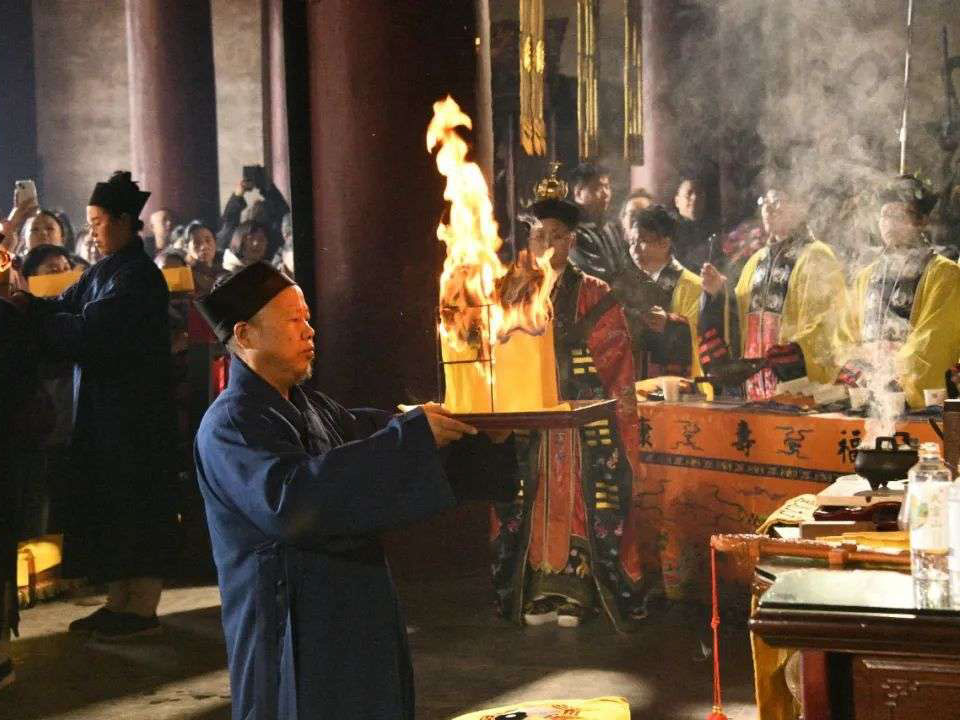
(1) The meaning of the ritual of fasting and Taoist ceremonies
2022-08-20 23:32:13
The original meaning of "zhai" was to be neat, harmonious an...
Yin GUI
2022-08-20 23:32:13
Chapter 37
2022-08-20 23:32:13
"Thunderbolt head"
2022-08-20 23:32:13
Zhao Yuanliang
2022-08-20 23:32:13
Chapter 47
2022-08-20 23:32:13