


Chapter 77
2022-08-20 23:32:13
Is the way of heaven like drawing a bow? What is high should be suppressed, what is low should be lifted up, what is surplus should be reduced, and what is insufficient should be supplemented. The way of heaven is to deplete the excess and replenish the deficiency. The way of human beings, however, is not like this: to use what is insufficient to serve what is abundant. Who can have a surplus to serve the world? Only the Tao. Therefore, the sage acts without relying on others, achieves success without taking action, and does not wish to see the virtuous. Isn't the law of nature much like drawing a bow and shooting an arrow? When the string is pulled high, lower it a little; when it is pulled low, raise it a little; when it is pulled too full, loosen it a little; when it is pulled insufficient, replenish it a little. The law of nature is to reduce the surplus and replenish the shortage. However, the law of society is not like this. We should reduce what is lacking and offer it to those who have more. Then, who can reduce the surplus to make up for the insufficiency of all people in the world? Only the virtuous can achieve it. Therefore, the sage with the Tao can achieve something without possessing it, and accomplish something without taking credit. He is unwilling to show off his talent and ability. [Note] 1. The way of man: It refers to the general laws and regulations of human society. 2. Therefore, the sage acts but does not rely on it, achieves success but does not accept it, and does not wish to see the virtuous: Mr. Chen Guying believes that these three sentences are not consistent with the previous text and is suspected to be a mistake. This part is still reserved. [Quotation] The text of this chapter reveals a vague and ambiguous idea of equality and balance. This is his social ideology. He contrasted the "Way of Heaven" with the "Way of man", advocating that the "Way of man" should follow the example of the "Way of Heaven". Laozi attributed the phenomenon of maintaining ecological balance in nature to "depleting the surplus to make up for the deficiency", and thus he demanded that human society should also change the unreasonable and unequal phenomenon of "depleting the deficiency to serve the surplus", and follow the natural practice of "depleting the surplus to make up for the deficiency" and "depleting the surplus to serve the world", which reflects his concept of equalizing social wealth and human equality. Therefore, this chapter is a continuation and development of the ideas in Chapters 74 and 75, such as "The people do not fear death, but how can they be afraid of death?" and "The people's hunger is due to the excessive food and taxes they pay." It expresses Laozi's hatred for the harsh policies implemented by the rulers and his sympathy for the hardships and difficulties of the common people's lives. Therefore, this is all the people-oriented aspects of the Tao Te Ching, its essence. [Commentary] The main idea of this chapter is to discuss that "the way of Heaven is to deplete the surplus and replenish the deficiency." The way of human beings, however, is not like this: to use what is insufficient to serve what is abundant." Laozi, based on his observations of nature and human society, believed that all things, in their mutually opposing contradictions, possess identity. Zhang Songru pointed out, "Laozi applied this intuitive understanding he gained from nature to human society. Facing the unreasonable reality of the opposition between the rich and the poor and class oppression at that time, he believed that the 'Way of man' should also be like Zhang Gong's 'Way of Heaven', 'suppress the high, promote the low, reduce the surplus, and supplement the deficiency.'" This is his proposition and his aspiration. But what about reality? The reality is that "the way of human beings is not like this: to use what is insufficient and to offer what is abundant." Yang Xingshun said, "In Laozi's view, to deplete the excess and replenish the deficiency is the original natural law of nature - the 'Way of Heaven'." (From Laozi's Revised Readings, page 414) But people have long forgotten the "Way of Heaven" and instead established their own laws - the "Way of Man", which benefits the rich but harms the poor. The "Way of Heaven" benefits the poor, bringing them peace and tranquility, while the "Way of Man" is the opposite. It is a tool in the hands of the rich, putting the poor in a desperate situation where "the people do not fear death". Hu Jichuang said, "Laozi developed this concept of distribution because they believed that the natural law always' depletes the surplus and supplements the deficiency ', and thus the rich and the poor should be evenly distributed, benefiting everyone." Although the way of heaven advocates reducing the surplus to make up for the deficiency, the result of reducing the surplus will increase the benefit of the one who is damaged, because "things may be beneficial when they are damaged." As the real society is characterized by "taking what is insufficient and offering what is abundant", with the exploitation of the working people by the lords and nobles, as well as the exploitation by the emerging landlord class and wealthy merchants, Laozi attempted to warn them with the "Way of Heaven", urging them to follow the way of Heaven in their own interests. They demand that the rich be able to practice the saying, "Always be good at saving others, and thus never abandon others." If one is always good at saving things, nothing will be abandoned. From the perspective of equal wealth and ensuring that both people and things can be fully utilized, Laozi's aspiration was good. However, when considering how to achieve this aspiration, they did not put forward any positive struggle program but instead preached to the exploitators, deluding themselves into thinking that they would have good intentions. This once again fully exposed their weakness and incompetence in solving social reality problems. (From "A History of Chinese Economic Thought", p. 212) The viewpoints of the above-mentioned scholars basically find the reasonable points and crux of Laozi's issues regarding the equalization of wealth and poverty.
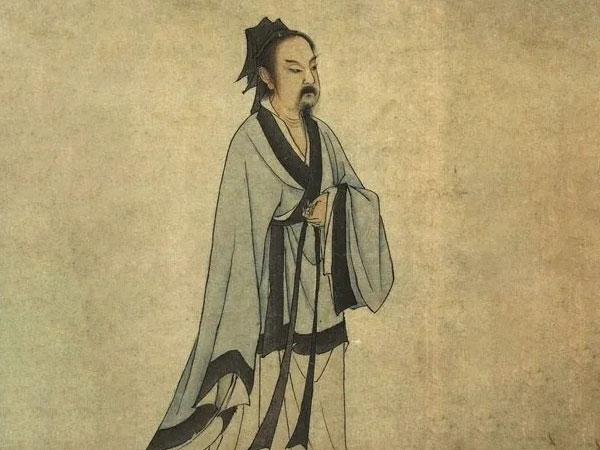
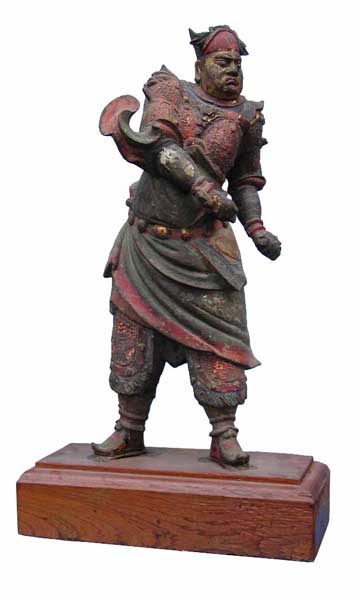
One of the stars of the Big Dipper
2026-04-15 11:51:31
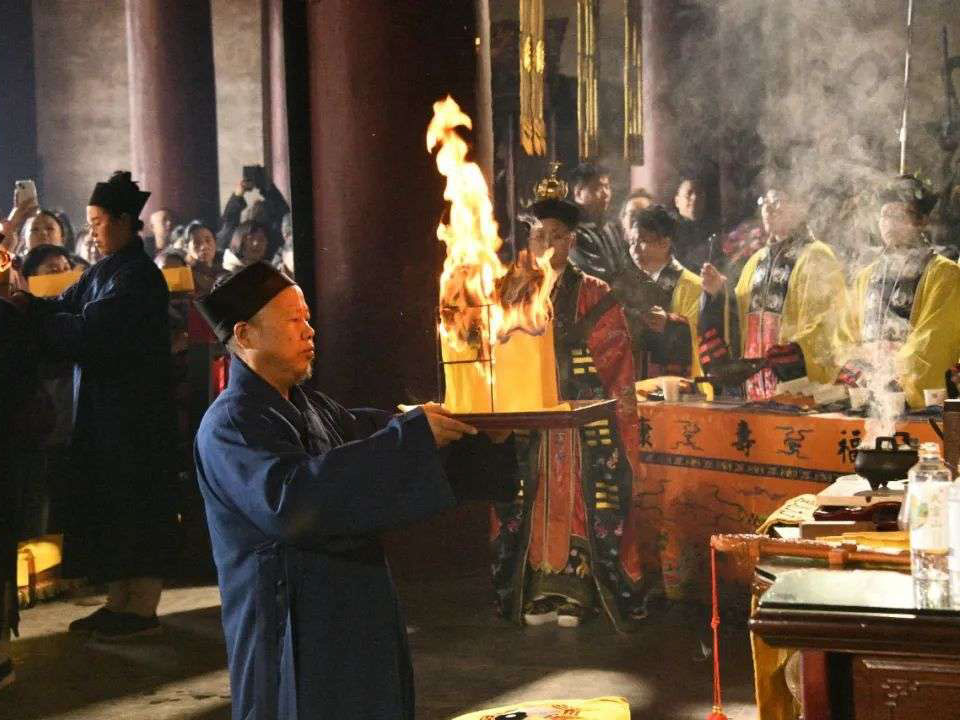
(1) The meaning of the ritual of fasting and Taoist ceremonies
2022-08-20 23:32:13
The original meaning of "zhai" was to be neat, harmonious an...
Yin GUI
2022-08-20 23:32:13
Chapter 27
2022-08-20 23:32:13
Chapter 72
2022-08-20 23:32:13
The couplet of the ancestral hall of the Wudang Mountain Temple
2022-08-20 23:32:13
Chapter 40
2022-08-20 23:32:13