


Chapter 73
2022-08-20 23:32:13
If you dare, kill; if you dare not, live. These two are either beneficial or detrimental. Who knows the reason why Heaven detests it? Therefore, even the sage finds it difficult to do so. The way of heaven ④ is to win without contention, to respond without response, to come without being called, and thus The net of heaven is vast, but it leaves no room for error. If one is brave enough to be strong, one will die; if one is brave enough to be weak, one can live. The outcome of these two kinds of bravery is that some benefit while others suffer. Who knows the reason why heaven detests it? Even the sage with the Tao finds it hard to explain clearly. The law of nature is to be good at winning without struggling. Silent but good at responding; Arriving without being summoned, being calm and adept at planning and arranging. The realm of nature is vast and boundless, though sparse, it does not leak out. [Note] 1. Be brave and kill if you dare, and live if you dare not: Dare means to be brave and strong; Dare not, weak, feeble. This sentence means that those who are brave enough to be strong will die, while those who are brave enough to be weak can survive. 2. Benefit or harm: Being brave enough to be weak is beneficial, while being brave enough to be strong is harmful. 3. Therefore, even the sages find it difficult to do so: This sentence has already appeared in Chapter 63. 4. The Way of Heaven: Refers to the laws of nature. 5. ð¦ ran: peaceful, smooth 6. The net of heaven is vast: The net of heaven refers to the natural range. Grand, vast, boundless. 7. Sparse but not lacking: Although it is wide and sparse, it does not leak out. [Quotation] This chapter mainly discusses the philosophy of life. The first meaning is that weakness overcomes strength, and the second meaning is that the way of heaven is natural. These two layers of meaning communicate with each other. Laozi believed that two different kinds of courage would lead to two different outcomes: one would be harmed, and the other would survive. "Those who dare dare to kill; those who dare not dare to live." As long as all things in nature change and develop in accordance with the laws of nature, they will have good results and there will be no omissions. Here, Laozi expounds on the philosophy of life that is natural and non-actional. Reading it carefully can quite enlighten one's mind. [Commentary] Laozi believed that the laws of nature are gentle and non-contentious. He said that if courage is built on rash and reckless actions, it will lead to one's own death. Courage, built on caution, can sustain one's life. When courage and gentleness are combined, people will gain benefits; when courage and recklessness are combined, people will suffer disasters. Even though it is bravery, the benefits and harms are quite different. Laozi's proposition is very clear. He believed that the way of nature values softness and weakness rather than toughness and recklessness. It is better to be humble than noble. And the way of nature cannot be defied. Some people believe that Laozi only focused on the laws of nature and ignored the subjective factors of human beings, not emphasizing the role of human subjective efforts. He was promoting a life attitude of retreat and timidity as well as the idea of fatalism. We do not agree with this view because what Laozi advocated was the laws of nature. People should not go against the laws of nature when they conduct themselves in the world. Being brave and daring means acting recklessly without following the laws of nature, which is not the meaning of being brave and strong as we talk about now. To be brave but not daring is to follow the laws of nature and not to replace objective reality with subjective will. It is not a synonym for cowardice and weakness. We agree with Laozi's view that human behavior should choose the latter and abandon the former.
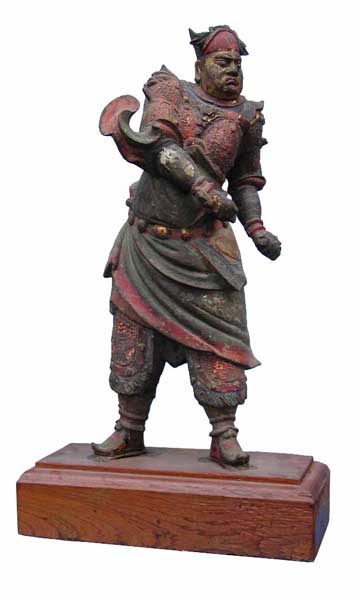
One of the stars of the Big Dipper
2026-04-15 11:51:31
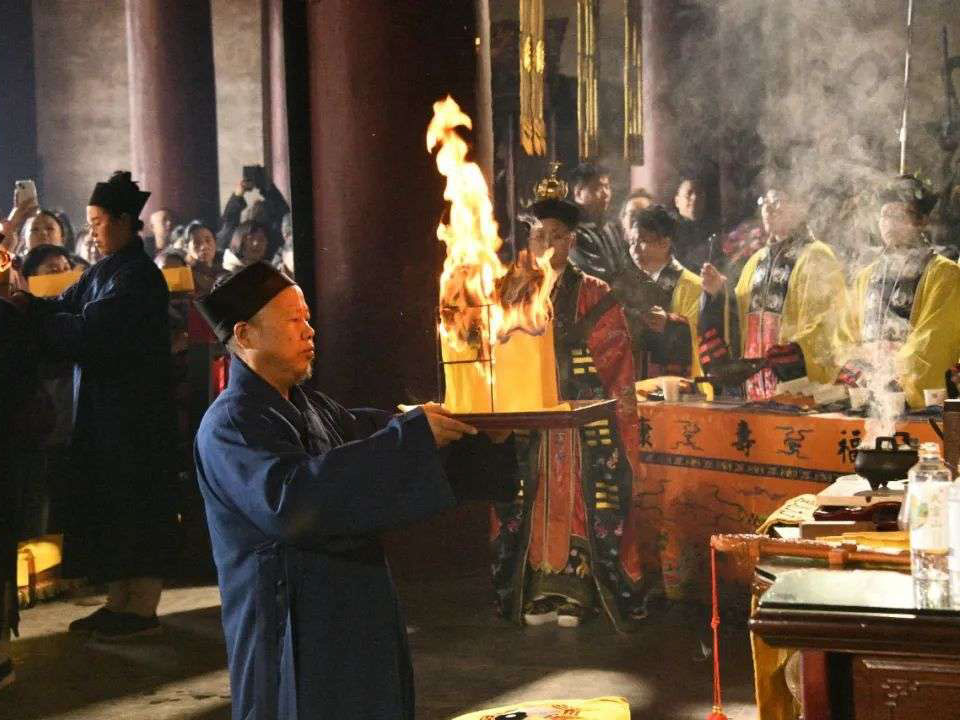
(1) The meaning of the ritual of fasting and Taoist ceremonies
2022-08-20 23:32:13
The original meaning of "zhai" was to be neat, harmonious an...
Yin GUI
2022-08-20 23:32:13
Chapter 27
2022-08-20 23:32:13
Chapter 72
2022-08-20 23:32:13
The couplet of the ancestral hall of the Wudang Mountain Temple
2022-08-20 23:32:13
Chen Xingchang
2022-08-20 23:32:13