


Chapter 74
2022-08-20 23:32:13
The people do not fear death, but how can they be afraid of death? If the people are always afraid of death and are surprised by it, who would dare to kill them if I were to hold them? There are often those who are in charge of killing. If one kills on behalf of a master craftsman, it is said that one does so without injuring his hand. The people are not afraid of death. Why do we use death to scare them? If the people are truly afraid of death, we will capture and kill those who do evil deeds. Who would still dare to do evil? Often, there are people who are in charge of killing to carry out the task of killing. To kill on behalf of those in charge of killing is like cutting wood on behalf of a skilled carpenter. Those who cut wood on behalf of a skilled carpenter rarely fail to cut their own fingers. [Note] 1. Qi Qi: Qi, strange and eerie. "Qi qi" refers to those who are evil and do evil deeds. 2. Detention: Detention. 3. The person in charge of killing: refers to the person who is specifically responsible for killing. 4. Substitute killer: To act on behalf of the person in charge of killing. 5. Chopping: Cutting, shaving. [Quotation] This chapter discusses Laozi's political propositions. He believed that at that time, the rulers imposed harsh policies and torture, killed the common people wantonly and suppressed the masses. As a result, once the people could no longer endure it, they would no longer fear death. The natural death of human beings is governed by the heavenly law of "those in charge of killing shall kill", but the human monarchs are cruel and tyrannical, pushing the people to the brink of death, which fundamentally goes against the natural law. Therefore, judging from the content of this chapter, it is Laozi's own criticism and protest against the severe laws and punishments at that time, which forced the people towards death. [Commentary] Some scholars, when studying this chapter, wrote as follows: "Laozi often talked about retreat, compliance, and not daring to be the first in the world. This was his approach." He was not polite to the people who rebelled and was brave enough to kill them with a knife. It was only because he saw that scaring people with death was of no use that he spoke the truth: "The people are not afraid of death; how can we fear them with death?" In the past, some people, in order to cover up Laozi's vicious image of being hostile to the people, deliberately said that Laozi did not advocate killing. This is taking things out of context. Our thought is: In this chapter, Laozi pointed out that the people have been oppressed by the cruel rulers to the point of unbearable suffering and are no longer afraid of death. Why use death to intimidate them? If the people are not subjected to severe laws and punishments, and they all find their proper places and live in peace and contentment, they will fear death. In that situation, if a person who has committed evil deeds is arrested and killed, who else would dare to do bad things? He believes that both subjective and objective circumstances should be taken into full consideration, and a lenient policy should be adopted. If one does not act in accordance with the laws of nature and treats human life as if it were grass, it will bring endless disasters. Carefully understanding Laozi's original intention, he did not intend to kill people at will by cruel means. Although we see the word "kill" several times in this chapter, it is not intended to kill the common people. This point still needs to be clearly distinguished.
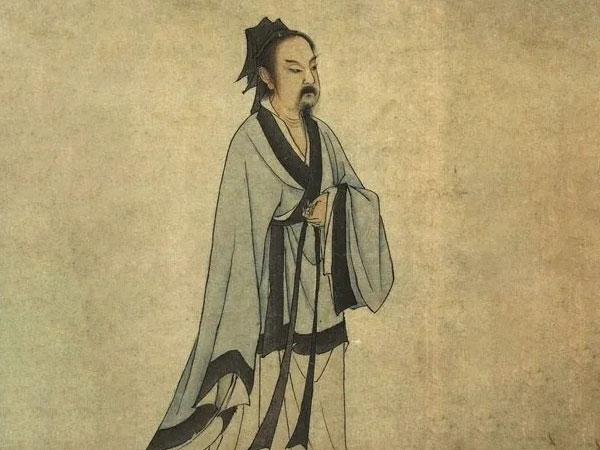
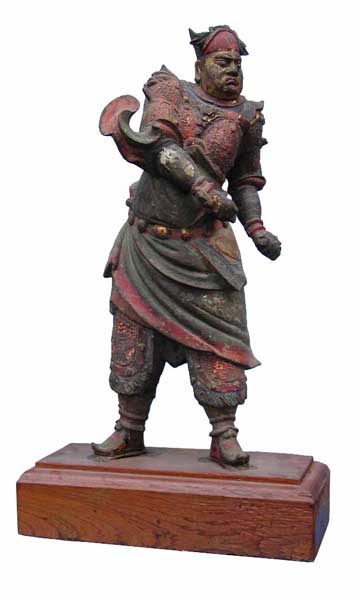
One of the stars of the Big Dipper
2026-04-15 11:51:31
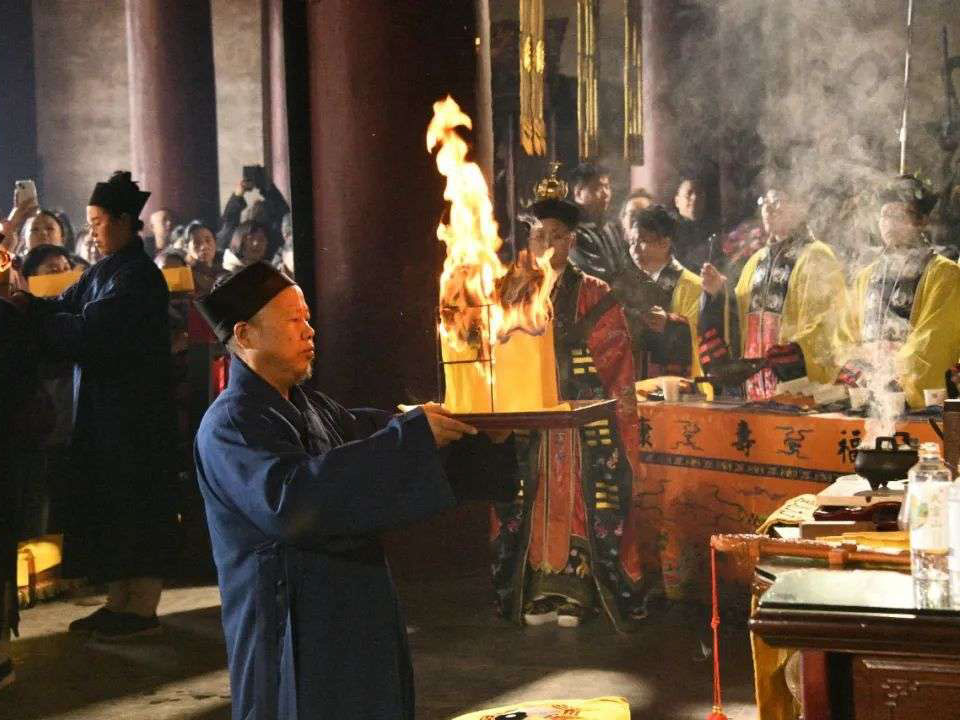
(1) The meaning of the ritual of fasting and Taoist ceremonies
2022-08-20 23:32:13
The original meaning of "zhai" was to be neat, harmonious an...
Yin GUI
2022-08-20 23:32:13
Chapter 27
2022-08-20 23:32:13
Chapter 72
2022-08-20 23:32:13
The couplet of the ancestral hall of the Wudang Mountain Temple
2022-08-20 23:32:13
Chapter 19
2022-08-20 23:32:13