


Chapter 71
2022-08-20 23:32:13
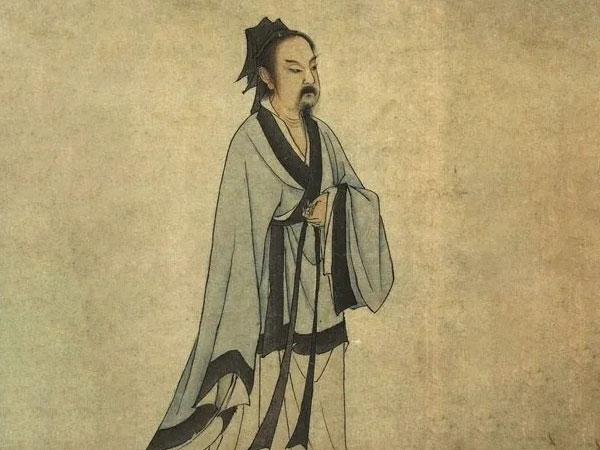
Knowing or not knowing ① is still good enough ②; I don't know ③. It's a disease. The sage does not fall ill; he falls ill because of his illness. It is precisely because of illness that one does not fall ill. It is very wise to know that there is still something one does not know. It's very bad not to know but to think you know. A sage of the Tao has no faults, for he regards faults as faults. It is precisely because he regards his shortcomings as shortcomings that he has no shortcomings. [Note] 1. Zhi bu Shi: Commentators generally have two interpretations of this sentence. Some say they know but don't think they know, while others say they know something they don't know. 2. "Shang Yi" : "Shang" is the same as "Shang". 3. Not knowing: Not knowing but thinking one knows. 4. Illness: Illness, defect, or shortcoming. Treat illness as an illness. [Quotation] This chapter is a maxim that it is valuable for a person to have self-awareness. In social life, there are some people who are self-righteous and pretend to know what they don't. They think they have mastered the laws of the universe's changes and development just by getting a superficial understanding of some things. There are still some people who have little knowledge but, relying on their power and status, swagger around the market, putting on an air of wisdom and deceiving and fooling others with big talk and lies. Laozi was highly dismissive of these people and offered sharp criticism. [Commentary] On the issue of self-awareness, ancient Chinese philosophers held very similar views. Confucius once said, "To know what you know and to know what you don't know is true knowledge." In Laozi's view, a sage who truly grasbles the essence of the "Dao" does not make hasty judgments. Even when it comes to known things, he does not make arbitrary assumptions but regards the known as the unknown. This is a humble attitude towards learning. Only with this attitude can one constantly seek the truth. Therefore, Laozi believed that "knowing without knowing" is the most enlightened. In both ancient and modern social life, it is not uncommon to see people who are stubborn and self-righteous. These people lack self-awareness. As soon as they acquire a little knowledge, they think they are remarkable and thus look down upon others and everything, even disregarding their own teachers. These people wantonly belittle others: elevating themselves, thinking that Laozi is the best in the world. In the final analysis, if it is not a matter of moral character, it is a lack of self-awareness. After reading the content of this chapter, we deeply felt that Laozi's "Tao Te Ching" is truly a work of great wisdom in dealing with the world.
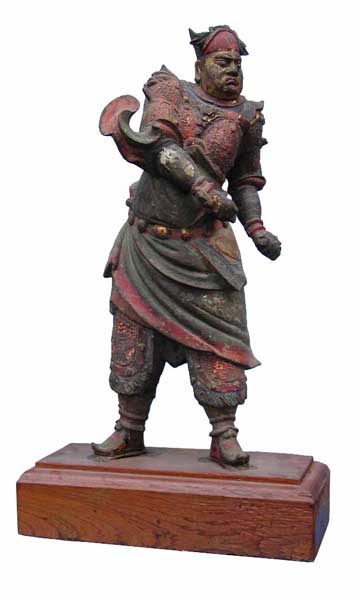
One of the stars of the Big Dipper
2026-04-15 11:51:31
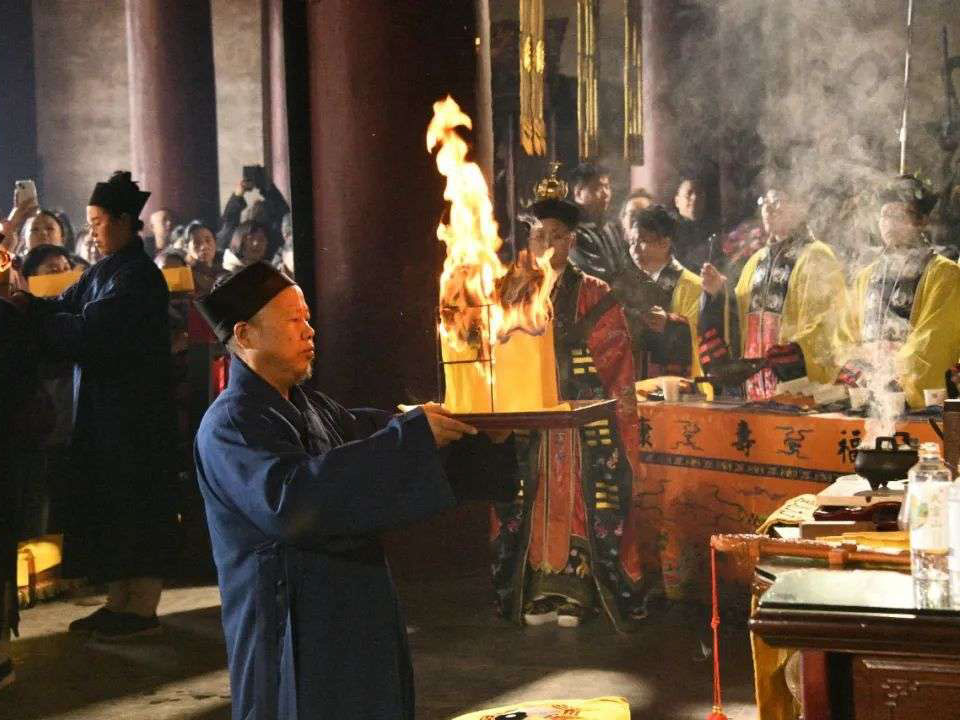
(1) The meaning of the ritual of fasting and Taoist ceremonies
2022-08-20 23:32:13
The original meaning of "zhai" was to be neat, harmonious an...
Yin GUI
2022-08-20 23:32:13
Chapter 27
2022-08-20 23:32:13
Chapter 72
2022-08-20 23:32:13
The couplet of the ancestral hall of the Wudang Mountain Temple
2022-08-20 23:32:13
Chen Xingchang
2022-08-20 23:32:13