


Chapter Sixty-Nine
2022-08-20 23:32:13
There is a saying about military strategy: "I dare not be the master but the guest." Not daring to advance an inch, but retreating a foot. This is called doing without doing. "Jiang Wubi ④;" "Throw invincible ⑤ Holding no troops ⑥. The greatest disaster is underestimating the enemy. Underestimating the enemy may cost us our treasures. Therefore, the one who resists the troops is like ⑦, and the one who is sad ⑧ will win. A military strategist once said, "I dare not take the initiative to attack but adopt a defensive stance." "Not daring to take a step forward, but rather retreating a foot." " This is what is called having an array but acting as if there were no array to set up. Though one tries to stretch out one's arms, it feels as if there are no arms to lift. Although facing the enemy, it was as if there were no enemy to fight against. Although there are weapons, it's as if there are no weapons to hold. There is no greater disaster than underestimating the enemy. Underestimating the enemy almost cost me my "three treasures". So, when the two armies are evenly matched, the grieving side can win. [Note] 1. Main: To take the initiative to attack and invade the enemy. 2. As a guest: Passively retreating and defending, having no choice but to respond to the enemy. 3. Xing without Xing: Xing, formation, formation. This sentence means: Although there is an array, it seems as if there is no array to set. 4. To stretch out one's arms: It means that although one wants to stretch out one's arms, it seems as if there are no arms to raise. 5. Invincible: It means that although facing an enemy, one feels as if there is no enemy to confront. 6. Holding no weapons: Weapons, weapons. It means: Although there are weapons, it seems as if there are no weapons to hold. 7. The two armies are evenly matched: It means that the two armies are of equal strength. 8. Ai: Min, Ci. [Quotation] This chapter still discusses the philosophy of advancing by retreating from the perspective of military science. Laozi believed that in war, defense should be the main approach, and victory should be achieved through defense. This reflects Laozi's opposition to war and also indicates the principle of retreat and inferiority in his philosophy of life. This chapter expounds the principle that "a sad army will surely win and a proud army will surely lose", which has become a famous military saying of all the strategists throughout history. This chapter corresponds to the previous two, both expounding the principles of sorrow, kindness and gentleness to clarify the virtue of not contending. [Commentary] Jiao Hong's "Laozi Wing" quotes Lu Jifu as saying: "The movement of the Dao often lies in coercion, yet it can achieve victory without contention." When it comes to military operations, it is advisable to be cautious of any limitations. And those who engage in warfare have said: "I dare not be the master but the guest, nor dare I advance an inch but retreat an foot. Then even if I am forced to fight, I will still move and win without contention. How much more so for other things?" What then? When the host is in adversity, the guest will follow; when the host is hardworking, the guest will be at ease; when the host is arrogant, the guest will be humble; when the host is impetuous, the guest will be calm. Be obedient to adversity, be at ease to toil, be humble to arrogance, advance arrogance and retreat humility, advance restlessness and retreat tranquility. To be compliant in the face of adversity, to be relaxed in the face of toil, to be humble in the face of arrogance, and to be calm in the face of restlessness, none of these can be resisted. Therefore, the Dao always acts out of non-action, thus its movement often stems from pressure, and its victory is always achieved through non-contention. Even in warfare, this is why. If I truly understand that action always stems from non-action, then my actions will always be in vain, my repelling will always be without arms, I will always be invincible, and my holding will always be without troops. How could I go without victory? If one's actions do not stem from non-action, knowing the master but not the guest, knowing the advance but not the retreat, this is called underestimating the enemy. Underestimating the enemy will lead to the loss of the so-called Three Jewels that protect one. Therefore, it is said that the greatest disaster is underestimating the enemy. Underestimating the enemy has almost cost us our treasures. Only by not contending can one be victorious; there is no one who can truly win. Therefore, it is said: "When the enemy forces join forces, the one who is in despair will prevail." Zhang Songru believed that "Nowadays, people might say that Laozi's policy of retreating to advance was, in the military field, manifested as the proposition of focusing on defense and winning by defense." This general principle of combat is incorrect, but Laozi's insights such as not underestimating the enemy and the fact that the side with grief and anger will win when the forces of both sides are approximately equal still have their reasonable aspects." In the "Commentary on the Essentials of Warfare" in the "Tao Te Ching" annotated by Wang Zhen of the Tang Dynasty, it is stated that the "Five Thousand Words" of the "Tao Te Ching" "does not have a single chapter that does not focus on warfare." This assertion is somewhat unrealistic. Judging from the content of this chapter, Laozi was anti-war. He believed that if one was forced into a war, a completely defensive stance should be adopted. This was his re-expression of the philosophical thoughts of modesty, forbearance, non-action, and tranquility through military means. Laozi was not a military strategist and did not discuss military affairs in isolation. This has been mentioned many times before, so we won't elaborate on it here.
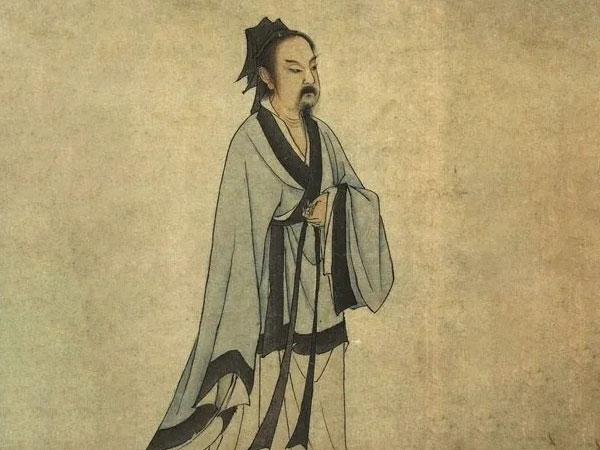
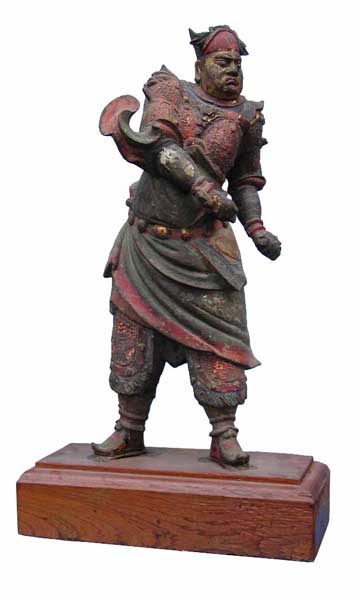
One of the stars of the Big Dipper
2026-04-15 11:51:31
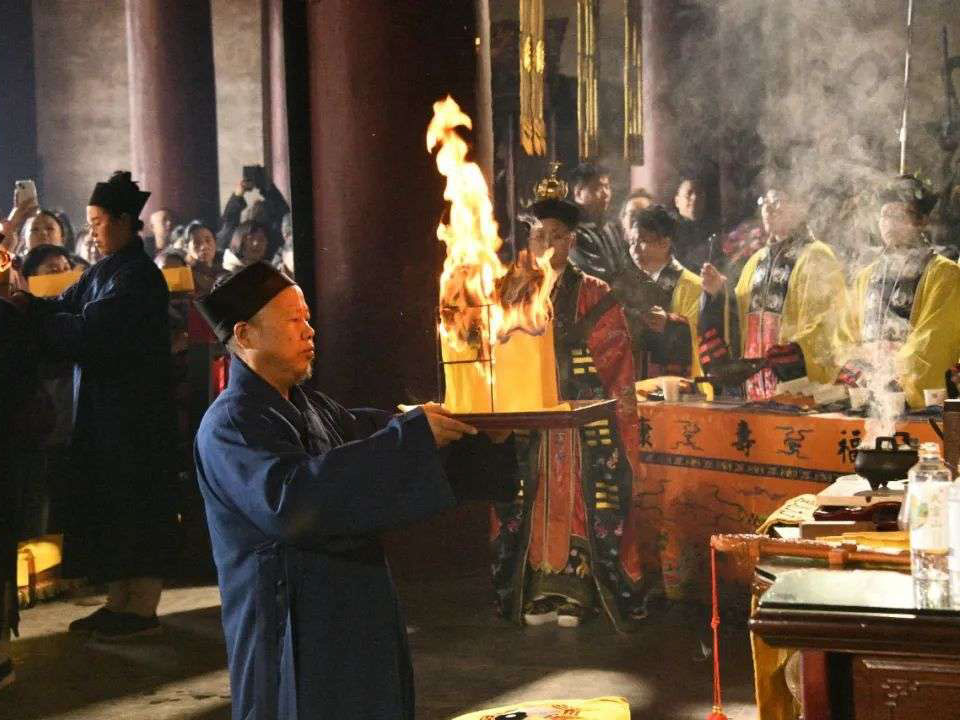
(1) The meaning of the ritual of fasting and Taoist ceremonies
2022-08-20 23:32:13
The original meaning of "zhai" was to be neat, harmonious an...
Yin GUI
2022-08-20 23:32:13
Chapter 27
2022-08-20 23:32:13
Chapter 72
2022-08-20 23:32:13
The couplet of the ancestral hall of the Wudang Mountain Temple
2022-08-20 23:32:13
Chapter 19
2022-08-20 23:32:13