


Chapter Sixty-Eight
2022-08-20 23:32:13
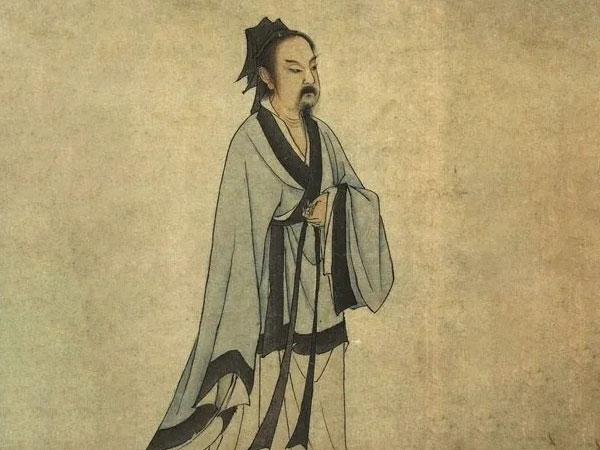
A virtuous scholar is not a warrior. A good warrior does not get angry. Those who are good at defeating their enemies do not engage with ②. Those who make good use of people are the lowest. This is called the virtue of not contending, it is called the power of employing people, and it is called being in harmony with the ancient and celestial extremes. A general who is good at leading troops into battle does not show off his bravery and might. A good warrior is not easily provoked. Those who are good at defeating their enemies do not engage in direct confrontation with them. A person who is good at using people shows humility to them. This is called the virtue of not competing with others, this is called making use of others' abilities, and this is called conforming to the natural way. [Note] 1. A good warrior: "Shi" refers to a warrior, and here it is used to describe a general. This sentence means a person who is good at being a general. 2. Not to contend: It means not to contend and not to have a direct conflict. 3. In harmony with the ancient and celestial extremes: Conforming to the principles of nature. It is said that the character "gu" is an derived text. This chapter is specifically dedicated to discussing the principles of strategy and tactics from the perspective of military operations. The core idea lies in clarifying the principle mentioned in the previous chapter that "if one is kind and benevolent, victory will be achieved through battle and stability will be maintained through discipline." He asked people not to show off their bravery, not to be easily provoked, to avoid direct conflicts with others, to fully exert their intelligence and abilities, to be good at making use of others' strength, and to achieve the goal of contention without contention. Laozi believed that this was in line with the way of heaven and was an ancient principle. [Commentary] The text of this chapter expounds the principles of military warfare. Scholars who consider the Tao Te Ching a military treatise often use this as evidence. Our opinion is that Laozi provided evidence for his dialectical thought on military phenomena. In fact, military dialectics itself is a profound discipline. Or to put it another way, the content of this chapter is both about military warfare and the principles of dialectics. It is also acceptable to understand it this way. But in the final analysis, to consider the Tao Te Ching as a military treatise is a great misinterpretation of its essence. Now, let's talk about the issue of "A good warrior does not get angry." The Art of War by Sun Tzu: Fire Attack states: "A master should not raise an army in anger, and a general should not engage in battle in a state of rage." This means that a monarch should not wage war out of momentary anger. A general should not go into battle out of momentary anger. This military thought is basically consistent with what Laozi has expounded in this chapter. War is a contest of national strength, human resources and wisdom. "Violence" and "anger" are manifestations of a military commander's violent and irrational behavior. Once anger Wells up in one's heart, one will lose composure and be unable to objectively analyze and study the strengths and weaknesses of both the enemy and oneself. Instead, subjective assumptions and angry emotions will replace objective reality. This situation will bring great harm and disaster to the country and the military. Such examples abound in the history of wars throughout history, both at home and abroad. This is true in military affairs as well as in life. When encountering problems, one should not be impatient or impulsive. By remaining calm and thinking carefully, and carefully distinguishing objective phenomena, one can identify the crux of the problem and thus come up with the correct solution.
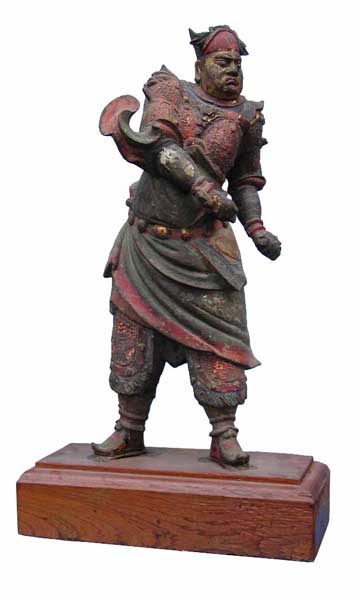
One of the stars of the Big Dipper
2026-04-15 11:51:31
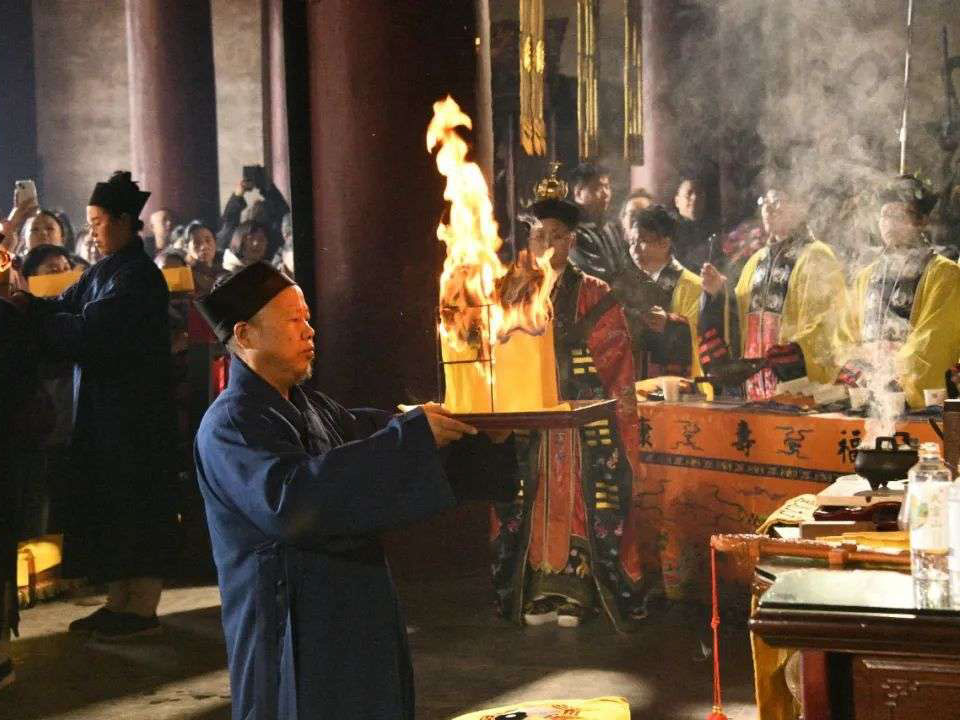
(1) The meaning of the ritual of fasting and Taoist ceremonies
2022-08-20 23:32:13
The original meaning of "zhai" was to be neat, harmonious an...
Yin GUI
2022-08-20 23:32:13
Chapter 27
2022-08-20 23:32:13
Chapter 72
2022-08-20 23:32:13
The couplet of the ancestral hall of the Wudang Mountain Temple
2022-08-20 23:32:13
Chapter 40
2022-08-20 23:32:13