


Chapter 62
2022-08-20 23:32:13
The Dao is the mystery of all things, the treasure of the virtuous, and the preservation of the unvirtuous. Good words can win the respect of the city ③, and good deeds can add people ④. How can one abandon a person's unkindness? Therefore, when the emperor is established and the three Dukes are appointed, although there is an arch to first 驷马⑥, it is better to sit on this path ⑦. Why did ancient times value this way? Why not say: Seek to obtain ⑧, and avoid evil by committing sin ⑨? Therefore, it is the most precious in the world. The Dao is the place that shelters all things. The kind cherish it, and even the unkind should preserve it. When needed, also ask it for protection. Beautiful words can earn others' respect for you. Good behavior is more important than people. How can an evil person abandon it? So when the emperor ascended the throne and appointed the three Dukes, although there was a ceremony of presenting the arch wall first and then 驷马, it would be better to present this "dao" to them. Since ancient times, the reason why people have regarded the "Tao" as so precious is precisely because seeking its protection will surely lead to satisfaction. Can one receive its forgiveness even if one commits a sin? It is precisely for this reason that people all over the world cherish the "Tao" so much. [Note] 1. Ao: Some say it means deep, a place that is not seen by others; Another theory is that "zang" implies protection and shade. In fact, the two statements are quite close and there is no need to insist on only one. 2. What the unvirtuous should preserve: Even the unvirtuous should maintain it. 3. Good words can earn respect: Beautiful words can earn others' admiration for you. 4. Good behavior can attract more people: Good conduct is more important than others. 5. The Three Dukes: Grand Tutor, Grand Tutor, and Grand Protector. 6. Before the arch wall 驷马 : The arch wall refers to holding precious jade in both hands; Youdaoplaceholder0, a chariot driven by four horses. In ancient times, when presenting gifts, the lighter items came first and the heavier ones later. 7. Sitting on this path: Offering the path of tranquility and non-action. 8. Seek to obtain: If there is a desire, one will obtain. 9. To avoid evil through sin: A sinful person who acquires the "Way" can be spared from sin. [Quotation] This chapter once again proclaims the benefits and functions of the "Tao". Laozi believed that the "Way" of tranquility and non-action is not only a treasure for the kind-hearted but also a must for the unvirtuous. So some people think that the novelty of this chapter lies in pointing out that all people should be equal before the "Tao". The Tao protects the virtuous, but it does not abandon the unvirtuous either. It fulfills every request and eliminates every fault. This is the preciousness of the "Way". If in the previous chapter, Laozi emphasized the application of the idea that unity is "harmony" in the relations between countries, in this chapter, it is applied in interpersonal relationships. The purpose of this chapter is to instruct the ruler to practice "non-action" governance. [Commentary] The "Tao" is the most precious thing in the universe. So the preciousness lies in the saying, "Seek to obtain, sin to avoid evil?" This means that if the virtuous are transformed into the Tao, they will seek goodness and obtain goodness; if the sinful are transformed into the Tao, they will avoid evil and enter goodness. The "Tao" is not merely comprehended by the virtuous; the unvirtuous are not abandoned by it. As long as they are devoted to the Tao and deeply understand its essence and key points, even if they commit SINS, they can be exempted. It is still very meaningful that Laozi has provided a new way out for people, including those who are guilty, here. This idea has a similar meaning to what Confucius said, "A gentleman can correct his mistakes." A gentleman is not afraid of making mistakes. As long as he can correct them earnestly, they are not mistakes. Moreover, only a gentleman can do this. Laozi, on the other hand, provided a way out for those who made mistakes from both subjective and objective aspects. The "Tao" does not despise those who commit crimes and will surely give them a chance to correct their mistakes. The offender himself must also understand the Tao, comprehend the Tao, and grasp its true essence. Both subjective and objective conditions are indispensable.
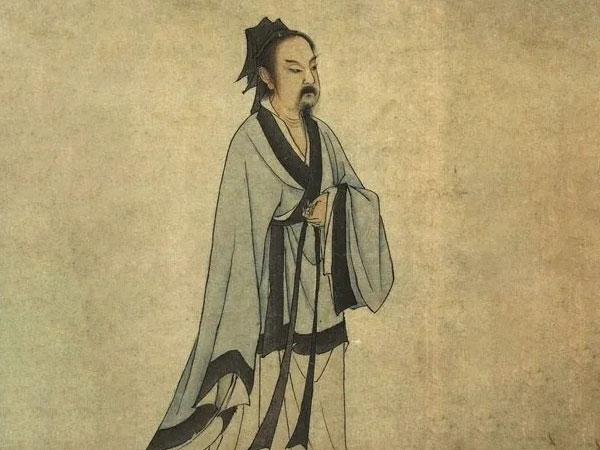
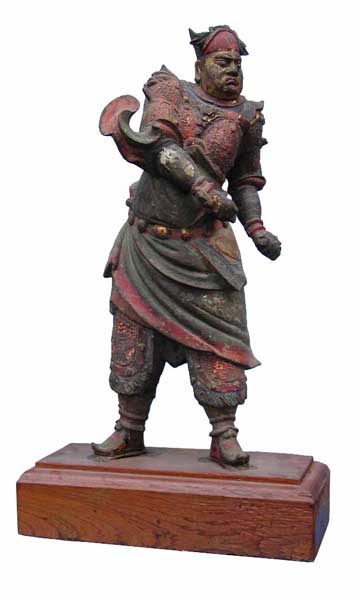
One of the stars of the Big Dipper
2026-04-15 11:51:31
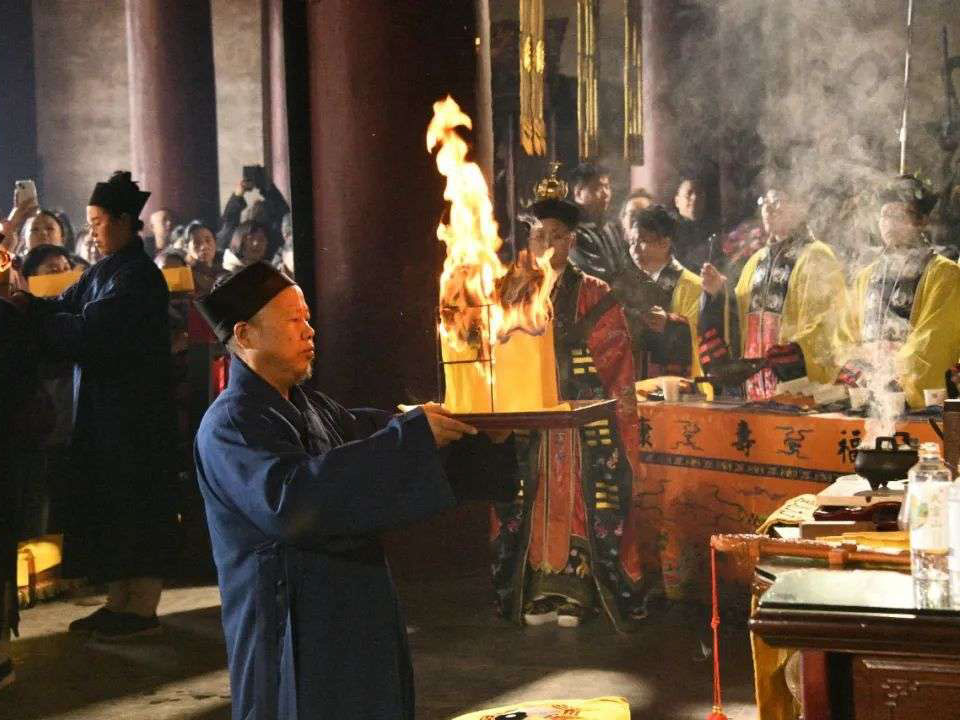
(1) The meaning of the ritual of fasting and Taoist ceremonies
2022-08-20 23:32:13
The original meaning of "zhai" was to be neat, harmonious an...
Yin GUI
2022-08-20 23:32:13
Chapter 27
2022-08-20 23:32:13
Chapter 72
2022-08-20 23:32:13
The couplet of the ancestral hall of the Wudang Mountain Temple
2022-08-20 23:32:13
The Record of Ascending to the Summit of Wudang
2022-08-20 23:32:13