


Chapter Sixty-One
2022-08-20 23:32:13
The great state is the lowly, the female of the world, and the confidant of the world. The female often overcomes the male with stillness, and stillness is the lowest. Therefore, if a large state is below a small state, then a small state is chosen. If a small state is below a large one, then take the large state. Therefore, either take from below or take from below ③. A great state merely desires to feed people, while a small state merely desires to serve people. If both are to one's liking, the greater one should be the lower one. A great country should be like a river at the lower reaches of a river, where all the rivers and streams of the world converge, and be in the position of the most feminine and gentle in the world. Femininity often surpasses masculinity by its quietness and composure, for it lies beneath femininity. Therefore, if a major country is humble and tolerant towards a small one, it can gain the trust and reliance of the small country. If a small country is humble and tolerant towards a big country, it can be tolerated by the big country. So, either a major country shows modesty to a minor one and gains its trust, or a minor country shows modesty to a major one and becomes tolerant of it. Big countries should not overly try to rule small ones, and small countries should not overly try to submit to big countries. When both sides get what they want, big countries should especially be humble and tolerant. [Note] 1. "Bang" : One book refers to a country. 2. The female of the world, the friendship of the world: This book is the friendship of the world, the female of the world. "Exchange, gather and summarize." 3. Or take down: Down, humbly down; To take, to borrow, to gather. 4. Keeping people together: Gathering people to care for them. [Quote] This chapter is Laozi's response to the pain brought about by the wars of annexation at that time, discussing how to handle the relationship between large and small countries properly, and expressing Laozi's political propositions on governing the country and the relations between countries. In Laozi's view, whether countries can coexist peacefully depends on the major ones. Therefore, he repeatedly emphasized that major countries should be humble and not be powerful enough to humiliate, oppress or invade smaller ones. There are still dialectical thoughts of social politics in this chapter. A great country should be like a river or a sea, humble and humble, so that the world can be returned. A great country should also be like a quiet female, placing herself in a lower position through stillness and thus defeating the male. Here, the term "state" refers to various vassal states, big and small. The text in this chapter is simple and easy to understand. [Commentary] At the end of the Spring and Autumn Period, vassal states sprang up everywhere. The major powers vied for power while the minor ones defended themselves. Wars broke out one after another, bringing great disasters to people's lives. Ren Jiyu said, "Here, Laozi's statement that big states lead small states and small states flatter big states is to hope that small states will maintain the situation of the Spring and Autumn Period and not change it." He hopes that society will always remain in a state of fragmentation and separatism. This is contrary to the direction of historical development. Mr. Ren Jiyu's analysis in this way is naturally reasonable. One of the main contents of Laozi's teachings is a small state with few people. Countries live in peace and harmony with each other. However, upon a deeper study of this issue, we feel that Laozi had another consideration. Throughout history, both at home and abroad, whether human society can enjoy peace and tranquility has often been determined by the national policies of major and powerful countries. The desire of major and powerful countries is nothing more than to annex and raise small and weak ones. The aspiration of small and weak countries, however, is to build good relations and coexist harmoniously with major powers. In the relationship between the two, the most important party is a major country or a powerful one. This chapter repeatedly emphasizes at the beginning and the end that a major country should be humble and inclusive, and must not rely on its own strength to bully the weak. Only in this way can we win the trust of small countries. From this perspective, Laozi's intentions once again met the wishes of the common people.
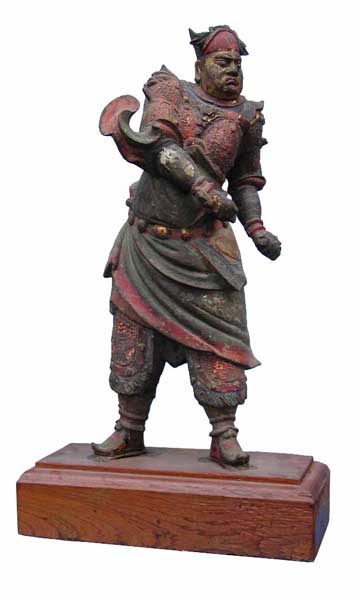
One of the stars of the Big Dipper
2026-04-15 11:51:31
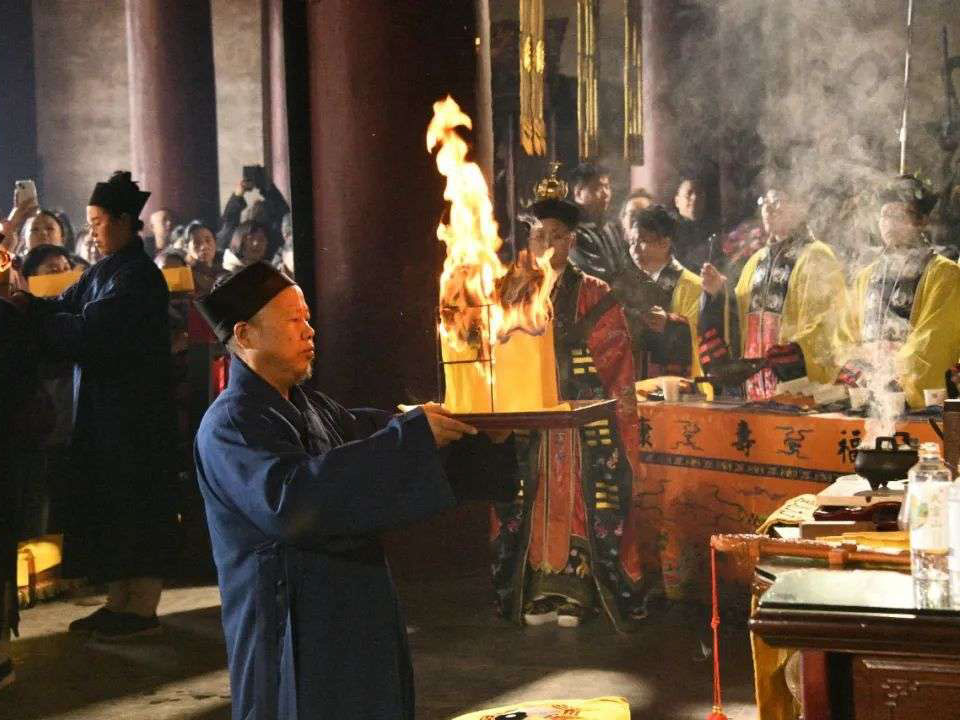
(1) The meaning of the ritual of fasting and Taoist ceremonies
2022-08-20 23:32:13
The original meaning of "zhai" was to be neat, harmonious an...
Yin GUI
2022-08-20 23:32:13
Chapter 27
2022-08-20 23:32:13
Chapter 72
2022-08-20 23:32:13
The couplet of the ancestral hall of the Wudang Mountain Temple
2022-08-20 23:32:13
The Record of Ascending to the Summit of Wudang
2022-08-20 23:32:13