


Chapter Sixty
2022-08-20 23:32:13
To govern a great country is like cooking a small fish; if one governs the world with the Dao, the ghosts will not be divine. It is not that the ghost is not divine, but that the divine does not hurt people. Neither the gods nor the sages hurt. When two people do not harm each other, virtue and friendship come together. Governing a great country is like frying a small fish. When the world is governed by the "Tao", ghosts and gods have no effect. Not only do ghosts have no effect, but their effects cannot harm people. Not only can the power of ghosts not harm people, but the way of sages will not harm people either. In this way, neither ghosts nor gods nor the virtuous sages will harm people. Therefore, the people can enjoy the grace of virtue. [Note] 1. Xiaoxian: Small fish. 2. "Li" : to be present. 3. The ghost is not divine: The ghost has no effect. 4. Not only: not only; not only. 5. No mutual harm: Ghosts, gods and sages do not invade people. 6. Therefore, virtue converges: Let the people enjoy the grace of virtue. [Quotation] This chapter discusses the principles of governing a country. "Governing a great country is like cooking a small fish" is a widely circulated famous saying by Laozi. This is a metaphor. "Cooking small fish" means frying small fish. This is comparing cooking fish to governing a country. The small fish is very tender. If you cut it randomly with a knife or stir it frequently in the pot, the meat will break up. The ruler of a country should govern it like frying a small fish, not constantly fiddling with it. Furthermore, Laozi was an atheist and did not believe in ghosts or gods. However, in this chapter, ghosts and gods are repeatedly mentioned. Here, it is meant that ghosts and gods do not harm people, and the rulers of a country must not harm or trouble the people either. This does not mean that Laozi was a theist. [Commentary] "Governing a great country is like cooking a small fish." This sentence has spread widely and profoundly influenced Chinese politicians for thousands of years. Che Che said, "This passage, in terms of governance, puts forward an atheistic view from the principle of 'governing by non-action'." The idea of governing by non-action is the application of Laozi's proposition of non-action in politics. The Book of Laozi attaches great importance to "non-action", proposing "to act without action" and "to act without action yet to do nothing", repeatedly explaining this principle and applying it in various ways. This is the manifestation of its insight of "following the way of nature". It applies this principle to governance, advocating that "do non-action and teach without words." When "the people forget governance, just as fish forget water," there will be no need to use religion to assist politics and scheme against ghosts, and thus ghosts and gods will have no spirit. The cessation of any action by ghosts and gods is the result of the "non-action" of those in power, which conforms to the law of "following the natural way" of non-action. This is one aspect of its atheistic tendency." Indeed, this sentence implies that the key to governance lies in being quiet and non-actional, not disturbing the people; otherwise, disaster will befall. To ensure the peace of the country, those in power must be cautious and serious, and cannot arbitrarily influence national politics with their subjective will. This statement summarizes this extremely complex strategy of governing the country in an extremely vivid and concise way. If one tries to change society based on personal subjective desires, changing one's policies frequently, being fickle and indecisive, the common people will be at a loss and the country will be in turmoil. On the contrary, if the policies and laws formulated by the state can be resolutely implemented, the effect of enriching the country and strengthening the military will be achieved. In this way, all external forces will not cause disasters or calamities.
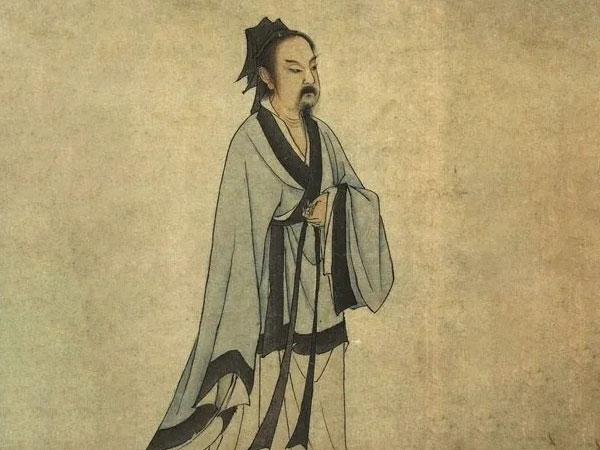
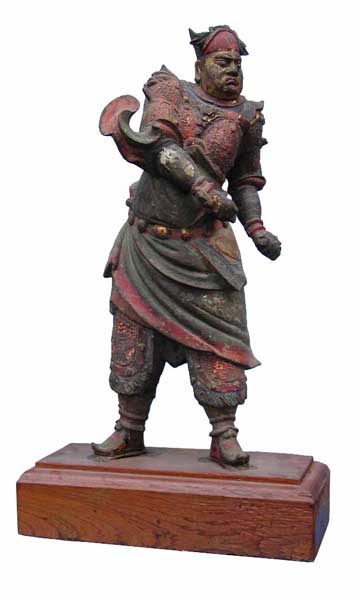
One of the stars of the Big Dipper
2026-04-15 11:51:31
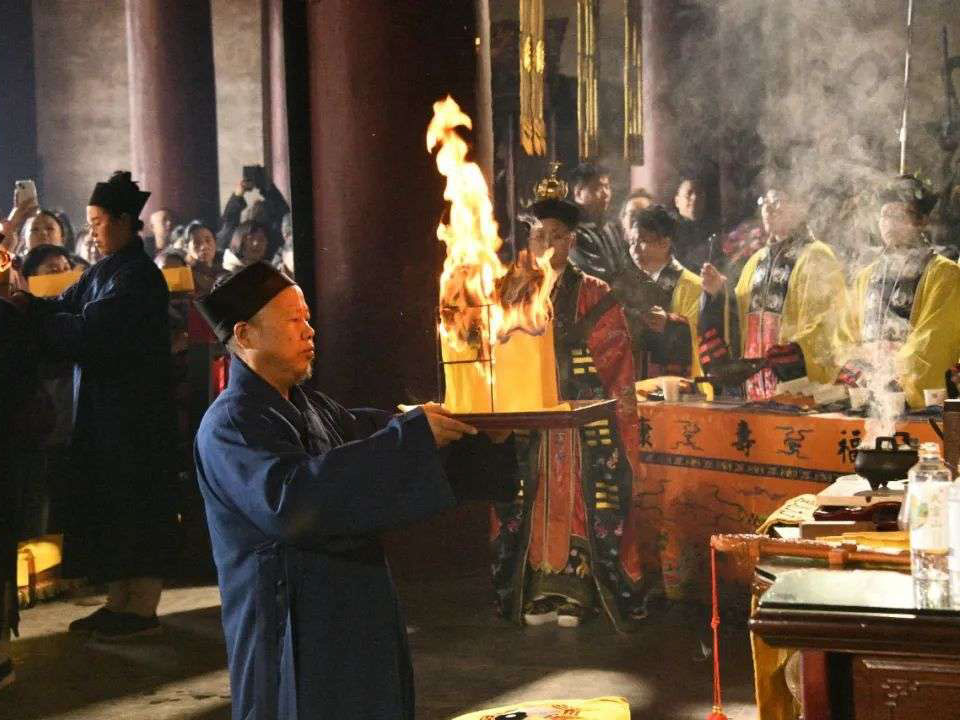
(1) The meaning of the ritual of fasting and Taoist ceremonies
2022-08-20 23:32:13
The original meaning of "zhai" was to be neat, harmonious an...
Yin GUI
2022-08-20 23:32:13
Chapter 27
2022-08-20 23:32:13
Chapter 72
2022-08-20 23:32:13
The couplet of the ancestral hall of the Wudang Mountain Temple
2022-08-20 23:32:13
The Record of Ascending to the Summit of Wudang
2022-08-20 23:32:13