


Chapter Fifty-Three
2022-08-20 23:32:13
Even if I have knowledge and act on the great way, only giving is to be feared. The great way is very easy, but people follow the good path. If the court is very poor, the fields are very barren, the granaries are very empty, one wears literary talent, carries a sharp sword, is tired of food and drink, and has an abundance of wealth and goods, this is called stealing the Yu. This is not the Way! If I were to have a little understanding and walk on the great road, the only thing I would worry about is the fear of taking the wrong path. Although the broad path is smooth, the ruler likes to take the wrong path. The government was so corrupt that the farmland was left uncultivated and the warehouses were extremely empty. However, the ruler still wore splendid clothes, carried sharp swords, feasted on exquisite food, and plundered and possessed the surplus goods. This was called a bandit leader. How immoral this is! [Note] 1. I: I refers to a sage who follows the way. Laozi here refers to himself. 2. Jie Ran You Zhi: Jie is insignificant. A little knowledge, a bit of knowledge. 3. Giving: Evil, slanting. 4. Yi: Flat. 5. Person: Refers to the ruler, originally written as "the people". 6. Path: Evil path. 7. The state affairs are extremely corrupt. It is said that the palace is very tidy. 8. Aversion to food: Aversion, fullness, satisfaction, and sufficiency. So full that I don't want to eat any more. 9. Stealing the yu: Yu is also written as "praise". That is, the great bandit and the chief bandit. This chapter sharply exposes some contradictory phenomena in society at that time. In the book "Tao Te Ching", this issue is mentioned several times, such as in Chapter 3, Chapter 19, Chapter 57, Chapter 75, etc. This chapter depicts the darkness of society and the profound disasters brought about by the rulers. Particularly, the rulers, relying on their power and force, treat the common people wantonly, plunder and exploit them, and lead a decadent and extravagant life all day long. Meanwhile, the lower classes are trapped in hunger, with farmlands left uncultivated and granaries empty. In such a situation, it is no wonder that Laozi called the ruler "stealing the Yu". The content of this chapter can also be said to be a portrayal of the tyrrants who govern without justice. Yang Xingshun said, "Those who 'steal praise' lead a luxurious life, while the people are starving." According to Laozi's philosophy, such abnormal situations will not persist forever. Human society will eventually return to its original "way of Heaven". Laozi warned those selfish rulers that they always long for an abundance of wealth, which poses a great crisis for themselves. "Nothing is more harmful than insatiability; nothing is more harmful than the desire for gain." (Chapter 46) In this way, they violated the law of the "Way of Heaven", and "the way of Heaven has long been gone" (Chapter 30). Let the selfish rulers, who have long forgotten the golden rules of their predecessors, not assume that their power is indebreakable. Such days will come: rulers will be punished for all their evil deeds, for in the world, "weakness overcomes strength". Laozi's intense hatred for the oppressors, his sincere sympathy for the people who have suffered greatly, and his profound belief that the social and political systems that oppress and plunder the people will inevitably collapse - these are all the main features of Laozi's theory of social ethics. From the perspective of the people and the stability and development of society, criticizing the tyrant in power as "stealing the yu" is the most valuable and important viewpoint of Taoism from Laozi to Zhuangzi. In the Miscellaneous Chapters of Zhuangzi, he put forward the traditional view that "those who steal the hook will be punished, and those who steal the state will be enfeoffed." In fact, those who have an abundance of wealth are the genuine "thieves". "As long as the sage does not die, the great thieves will not cease", this is a cry made from the perspective of the interests of the oppressed laborers. From this perspective, we also feel that it indicates that Laozi was not the spokesperson for the interests of the decadent and declining slave-owning nobility, but truly represented the aspirations of the oppressed.
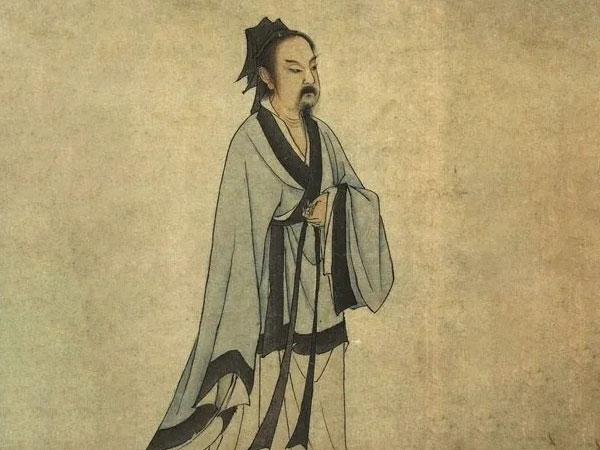
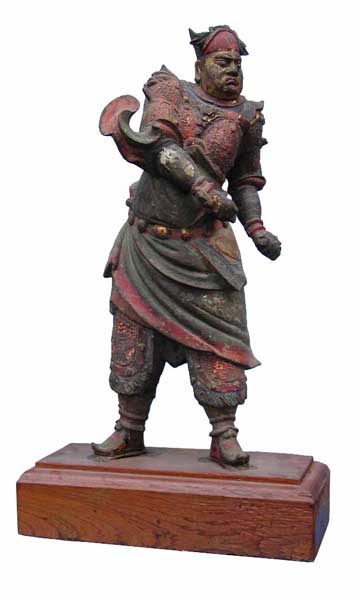
One of the stars of the Big Dipper
2026-04-15 11:51:31
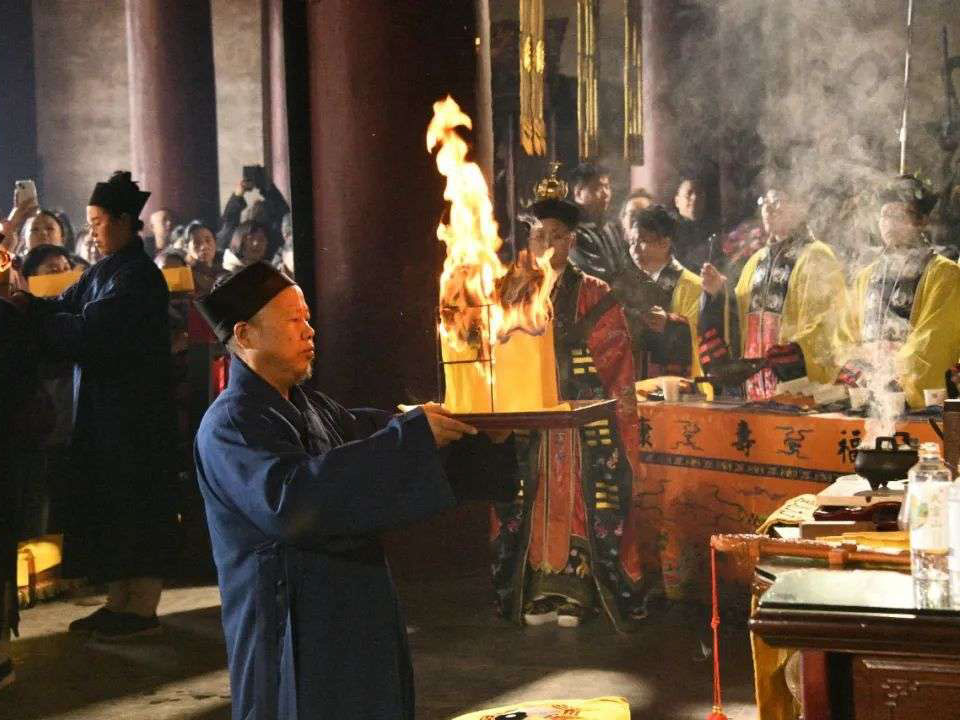
(1) The meaning of the ritual of fasting and Taoist ceremonies
2022-08-20 23:32:13
The original meaning of "zhai" was to be neat, harmonious an...
Yin GUI
2022-08-20 23:32:13
Chapter 27
2022-08-20 23:32:13
Chapter 72
2022-08-20 23:32:13
The couplet of the ancestral hall of the Wudang Mountain Temple
2022-08-20 23:32:13
The Record of Ascending to the Summit of Wudang
2022-08-20 23:32:13