


Chapter Fifty-One
2022-08-20 23:32:13
The Dao gives birth to it, virtue nurtures it, things take shape it, and momentum accomplishes it. Therefore, all things respect the Dao and value virtue. The dignity of the Dao and the preciousness of virtue are not predestined but always natural. Therefore, the Dao gives birth to it, virtue nurtures it, growth nurtures it, and pavilion poisons it. Nourish and cover. To be born without having, to act without relying, to grow without being slaughtered is called the profound virtue. The Dao gives birth to all things, and virtue nurtures all things. Although all things take on various forms, the environment makes all things grow. Therefore, all things in the world Revere the Dao and value virtue. The reason why the Dao is respected and virtue is precious is that the Dao nurtures all things without interfering, and Virtue nourishes all things without dominating them, following their natural course. Therefore, the Dao gives birth to all things, and virtue nurtures all things, enabling them to grow, develop, mature and bear fruit, thus being supported and protected. To grow all things without claiming them as one's own, to nurture all things without relying on merit, to guide all things without dominating them - this is the profound and far-reaching virtue. [Note] 1. Momentum: The natural environment in which all things grow. One saying goes: "Momentum is force." Some say, they are in opposition. 2. Do not be forced by fate but remain natural: Do not interfere with or dominate all things, but let them transform and form on their own. 3. The poison of the pavilion: A complete and well-prepared book. 4. Nurturing: Loving to care for, protecting and nurturing. 5. Cover: Maintenance, protection. 6. Xuan De: That is, the highest virtue. It gives birth to all things but does not claim them as its own; it nurtures all things but does not take credit for its achievements. [Quotation] This chapter focuses on the role of "virtue" and can be regarded as a continuation of Chapter 38. In this chapter, Laozi once again expounds the idea that the "Tao" nurtures all things in a way of "non-action". In this chapter, "Xuan De" refers to "Shang De". Laozi believed that "Dao" gives birth to all things and "De" nurtures them, but "Dao" and "De" do not interfere with the growth and reproduction of all things; instead, they follow their natural course. "Virtue" is the embodiment of the "Way" and the concrete function of the "Way" in the human world. The process of the growth of all things is as follows: First, all things are produced by the "Tao". Second, after the "Tao" gives birth to all things, it is also inherent in all things and becomes the nature of each of them. Third, all things develop individual and unique existences in accordance with their own natures. Fourth, the cultivation of the surrounding environment enables all things to grow and mature. [Commentary] In some previous chapters, we have already learned about Laozi's relationship between "Dao" and "De", as well as the connection between "Dao", "De" and all things in the universe. This chapter also discusses the theory that the "Tao" gave birth to all things in a way of "non-action". Some scholars believe that Laozi put forward the view that "nothing is predestined but always follows nature", indicating that all things grow in a state of non-action and naturalness. "Mo Zhi Ming" means what Mencius said, "Do not act; acting is the will of heaven." The growth of all things follows the objective natural laws that exist. Each thing ADAPTS to its specific environment and grows accordingly. There is simply no such thing as a host arranging it before it can grow. This point is a manifestation of Laozi's opposition to ghosts, gods, numerology and theism. Regarding the fact that the growth of all things needs to be based on the laws of existence in the objective natural world, Laozi called it "the Dao gives birth to them". When it comes to the specific application of the laws existing in the objective natural world to the growth of things, Laozi called it "nurturing virtue". All things grow in accordance with the laws of nature and are the concrete application of these laws. Therefore, "All things respect the Dao and value virtue." However, the respect for the Dao and the value of virtue in all things are merely the basis and application of the laws of nature, and are not commanded or arranged by any other master. Laozi believed that this phenomenon is a state of non-action and naturalness, which is why it is said, "It is not destined to remain natural." We agree with the above viewpoints because the creation of all things by the Dao does not contain any subjective consciousness or purpose, nor does it occupy or dominate. The entire process is completely natural, and the growth, development, and reproduction of all things are in a completely natural state. This is the unique spirit of "virtue" that the "Tao" embodies when it acts upon human society. Obviously, this is an unquestionable atheistic thought that denies the existence of God as the master of the world. This should be said to have reached a very high level in the intellectual circle of the Pre-Qin period.
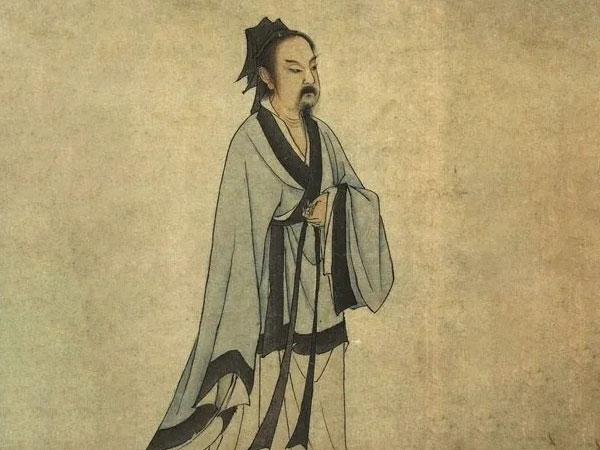
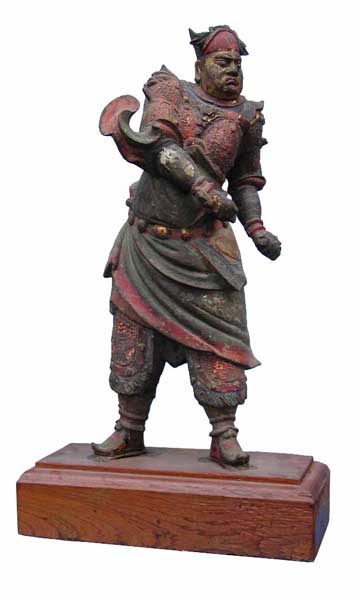
One of the stars of the Big Dipper
2026-04-15 11:51:31
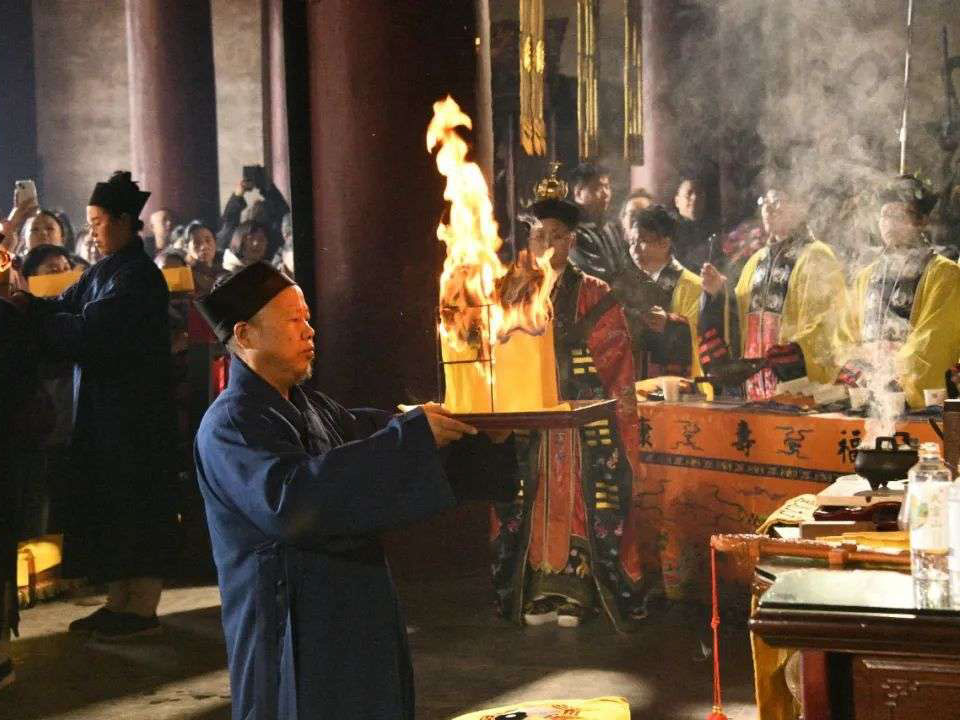
(1) The meaning of the ritual of fasting and Taoist ceremonies
2022-08-20 23:32:13
The original meaning of "zhai" was to be neat, harmonious an...
Yin GUI
2022-08-20 23:32:13
Chapter 27
2022-08-20 23:32:13
Chapter 72
2022-08-20 23:32:13
The couplet of the ancestral hall of the Wudang Mountain Temple
2022-08-20 23:32:13
The Record of Ascending to the Summit of Wudang
2022-08-20 23:32:13