


Chapter Fifty
2022-08-20 23:32:13
In life and death, three out of ten people are alive. Among the dead, there are three out of ten. A person's life is triggered by death three times out of ten. Why? With the thickness of its vitality ⑥. Those who are good at health preservation will not encounter 兕 tigers when traveling on land and will not be attacked by armored soldiers when entering the army. Youdaoplaceholder0 There is no place to throw its horn at a tiger, no place to pry its claws, no place for a soldier to blade. Why? Because it has no death penalty ⑩. Man is born into the world and eventually dies on the earth. Three tenths of people live a long life. Three out of ten people died of a short life. Three out of ten people could have lived longer but ended up on the path of death themselves. Why is it like this? Because the support was too excessive. It is said that those who are good at nurturing their own lives will not encounter fierce rhinos and tigers when walking on land, nor will they be harmed by weapons in war. A rhinoceros has no place to cast its horns on it, a tiger has no place to stretch out its claws, and a weapon has no place to stab its blade. Why is it like this? Because he did not enter the realm of death. [Note] 1. To be born and die: To be born in the world and die in the earth. It is said that leaving survival is bound to lead to death. 2. The disciple of life: "Disciple" should be interpreted as a category. A living person is one who lives a long life. Three out of ten: three tenths. 4. The Dead: They belong to the category of those who die young. 5. A person's life is driven by death: This sentence means that a person could have lived a long life, but unexpectedly headed towards the path of death. 6. Excessive nourishment: Due to an overly strong desire to survive, there is an overabundance of nutrients, thus leading to excessive support. 7. The one who takes care of life: "Taking care of life" refers to the way of maintaining health, that is, taking care of oneself. 8. Youdaoplaceholder0: pronounced as "si", it belongs to the rhinoceros family. 9. Not being attacked by armored soldiers when entering the army: Not being killed or wounded in war. 10. No death zone: Not within the range of death. [Quotation] This chapter discusses two ways of health preservation. One reason is that due to excessive nutrition and indulgence in extravagance and debauchery, one's life is short and premature. One type is casualties caused by careless actions. Laozi believed that if one is good at avoiding harm in this world, one can preserve one's life and enjoy a long life. He noticed the influence of human factors on life and called on people not to maintain themselves by competing, but to stay away from death with a quiet and non-actional attitude. [Commentary] Regarding the sentence "Because it has no death" in this chapter, Zhuangzi explained it as follows: "Zi Liezi asked Guan Yin, 'The most virtuous person moves without being blocked, moves over fire without feeling hot, and moves above all things without trembling.'" May I ask why it has come to this? Guan Yin said, "It is the retention of pure energy, not the kind of being skillful and resolute." ... If that were the case, the heavens would be intact and the spirit would be unobstructed. How could things naturally enter? A drunk person who falls off a vehicle may not die from illness. His bones and joints are the same as those of others, but the harm he commits is different from that of others. His spirit is intact. It neither knows when it rides nor when it falls. The fear of life and death does not enter its heart. It is an object that does not 慴. Peter was all wine, yet still if, how much more so in heaven? The sage is hidden in heaven, so nothing can harm him. This sentence is a good footnote to Laozi's "Because there is no death". As long as a person can act in accordance with the way of heaven, external threats cannot invade his body, and he will not enter the realm of death. So Mr. Ren Jiyu said, "In Laozi's view, this world is full of hidden dangers everywhere and life is always under threat." He advocated being cautious everywhere and not entering dangerous areas. Only by doing nothing could one be the safest and most capable of preserving one's life. Laozi was born in a time of chaos. He saw that life was fraught with dangers and his safety was threatened at all times. Therefore, he advocated not protecting oneself through war or plunder, nor nourishing oneself with luxurious lifestyles. Instead, he advocated remaining calm and doing nothing, adhering to the principles of the "Tao". He did not act rashly and did not harm others. Others can't find an opportunity to take action against him either, which can rule out the human factors that cause people's short lifespan. Laozi uses the words of this chapter to persuade people, hoping that they can have few selfish desires, be quiet and simple, and let nature take its course.
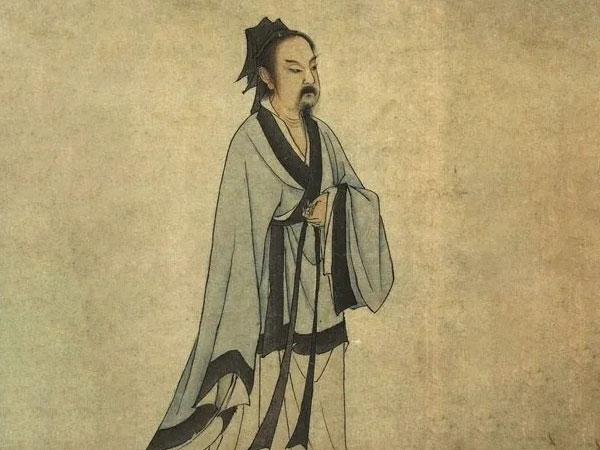
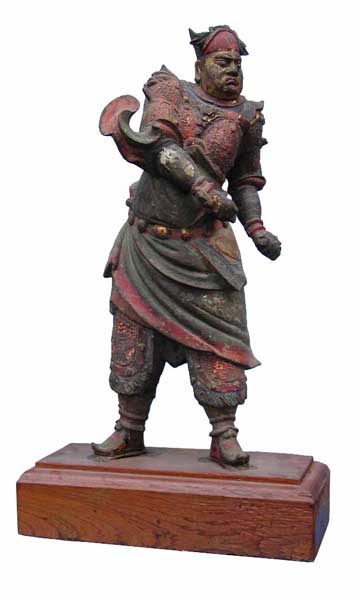
One of the stars of the Big Dipper
2026-04-15 11:51:31
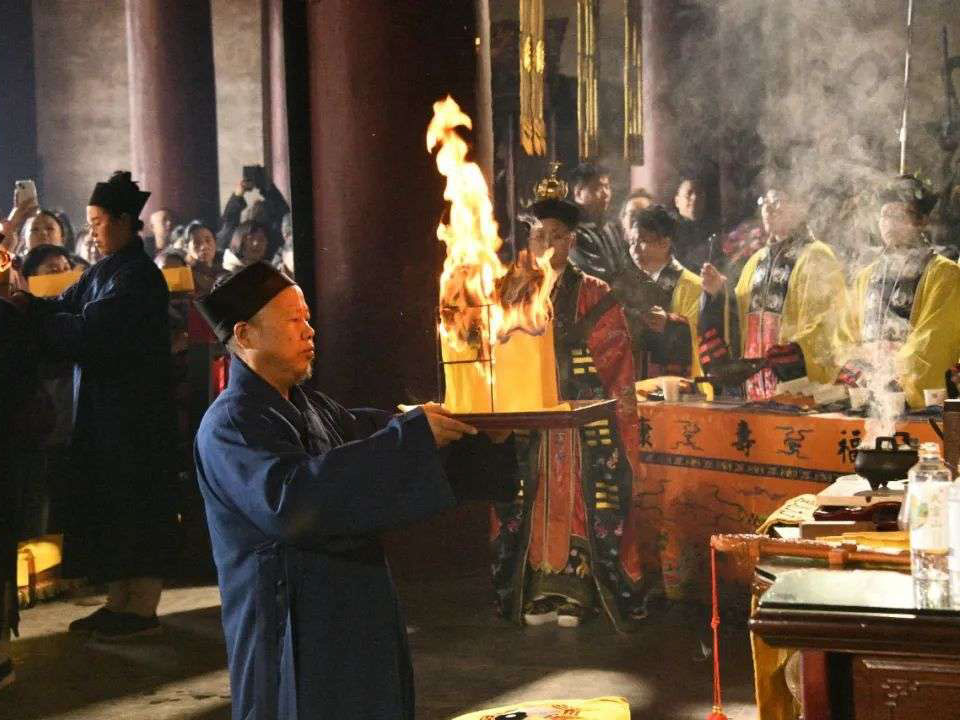
(1) The meaning of the ritual of fasting and Taoist ceremonies
2022-08-20 23:32:13
The original meaning of "zhai" was to be neat, harmonious an...
Yin GUI
2022-08-20 23:32:13
Chapter 27
2022-08-20 23:32:13
Chapter 72
2022-08-20 23:32:13
The couplet of the ancestral hall of the Wudang Mountain Temple
2022-08-20 23:32:13
The Record of Ascending to the Summit of Wudang
2022-08-20 23:32:13