


Chapter 43
2022-08-20 23:32:13
The softest in the world can gallop the hardest in the world. I know that doing nothing is beneficial. The teachings without words and the benefits without actions are what the world desires to reach. The weakest thing in the world soars through the hardest. Intangible forces can penetrate things without gaps. I thus realized the benefits of "non-action". The teachings of "not speaking" and the benefits of "non-action" are rarely matched by anyone in the world. [Note] 1. "Chi Pin" : Describing the appearance of a horse running. 2. The void enters the void: The invisible force can penetrate what has no gaps. Nothingness: Refers to something that has no visible form. 3. Xi: One book is written as "rare", meaning scarce. [Quotation] This chapter, like Chapter Twelve, is about human dignity and expounds on the art of "softness overcomes hardness and weakness overcomes strength", which is called "subtle clarity". It expounded on the principle that weakness can overcome strength, and also on the teachings of "not speaking" and the benefits of "non-action". This meaning runs through the entire book of Laozi's "Tao Te Ching". He pointed out that within the weakest things, there accumulates an invisible tremendous force that makes the strongest things unable to resist. The role played by "weakness" lies in "non-action". Water is the softest thing, yet it can penetrate mountains and the earth. So Laozi used water as a metaphor for the principle that softness can overcome hardness. [Commentary] "Valuing softness" is one of the fundamental concepts in the Tao Te Ching. Besides being discussed in this chapter, it is also extensively touched upon in Chapter 76 and some other chapters. "Softness and weakness" is the fundamental manifestation and function of the "Tao". In fact, it is no longer confined to the narrow sense that is opposed to "hardness and strength", but has become a philosophical concept in the "Tao Te Ching" that summarizes all subordinate and secondary aspects. Laozi believed that "softness and weakness" is the manifestation of the vitality of all things and also a symbol of true power. If we delve deeper into the issue, we will find that what Laozi wanted to emphasize was the inevitability of the transformation of things. He does not merely urge people to "be gentle" or "not contend", but rather believes that "the softest in the world can overcome the hardest in the world", that is, weakness can defeat strength. This is profound dialectical wisdom. Therefore, discovering the meaning of "weakness" was a significant contribution of Laozi.
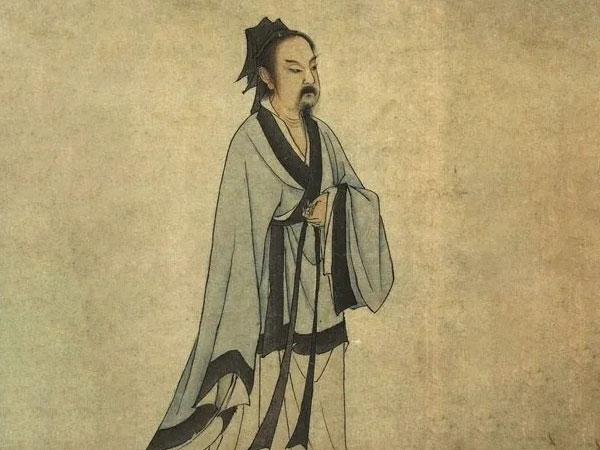
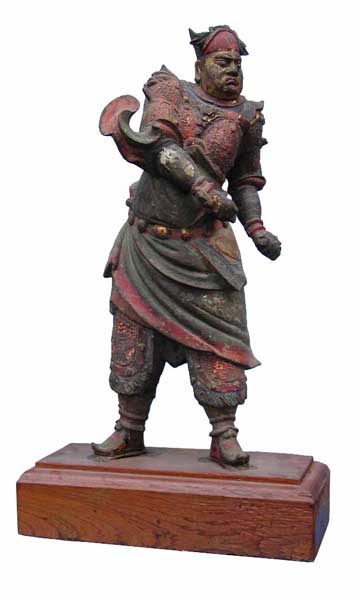
One of the stars of the Big Dipper
2026-04-15 11:51:31
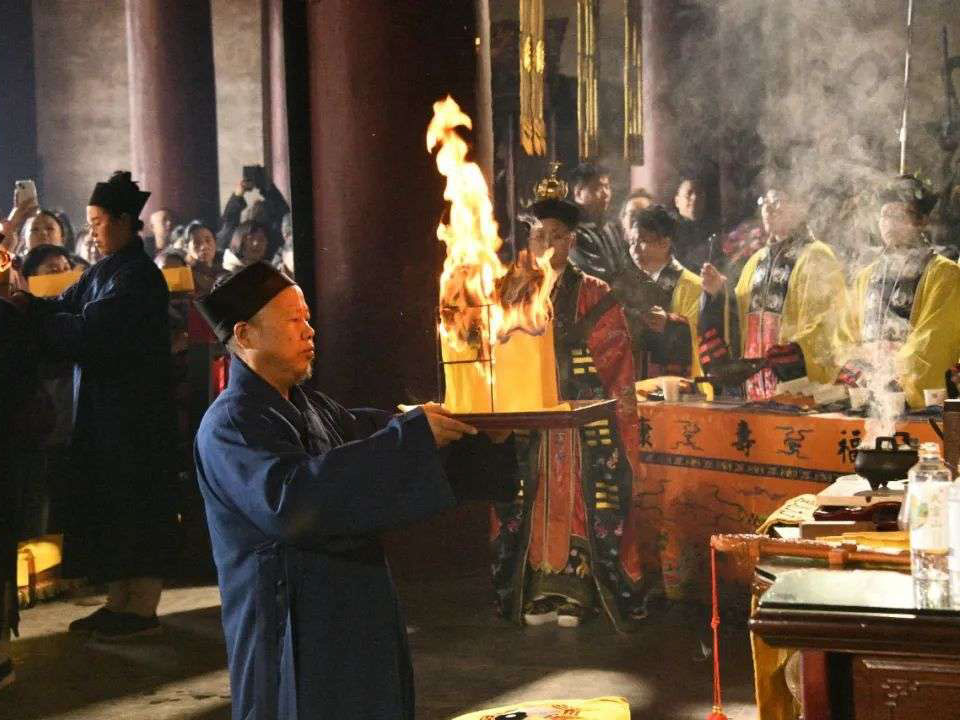
(1) The meaning of the ritual of fasting and Taoist ceremonies
2022-08-20 23:32:13
The original meaning of "zhai" was to be neat, harmonious an...
Yin GUI
2022-08-20 23:32:13
Chapter 37
2022-08-20 23:32:13
Chapter 47
2022-08-20 23:32:13
"Thunderbolt head"
2022-08-20 23:32:13
Zhao Yuanliang
2022-08-20 23:32:13