


Chapter 44
2022-08-20 23:32:13
Which is more important, a name or a body? Which is more important, the body or the goods? Which is more serious, gain or death? Excessive love leads to great expense; excessive concealment leads to heavy loss. Therefore, contentment brings no disgrace, knowing when to stop brings no danger, and one can last long. Which is more intimate, fame or life? Which is more precious, life or profit? Which is more harmful, acquisition or loss? Excessive love for fame and fortune is bound to come at a higher price. Excessive accumulation of wealth is bound to lead to even more severe losses. So, if one knows how to be content, one will not be humiliated. If you know when to stop, you won't encounter danger. Only in this way can long-term peace be maintained. [Note] 1. "Duo" : It means light or heavy; Goods, wealth. 2. Gain: refers to fame and fortune; "Death" refers to the loss of one's life. Illness, harm. 3. Excessive love leads to great expense: If one loves fame too much, one is bound to make a huge expense. 4. Excessive hoarding leads to heavy losses: Abundant hoarding is bound to result in heavy losses. 5. Contentment brings no disgrace: The original text does not contain the word "old", but it is supplemented based on the silk manuscript. [Quotation] This chapter, like Chapter Thirteen, is about human dignity. Chapter Thirteen contrasts honor and disgrace with one's own value to illustrate that people should respect and love themselves. This chapter contrasts names with goods and the self-worth of people, and also urges people to respect and love themselves. Laozi advocated such a outlook on life: People should value life and themselves, and when it comes to fame and fortune, they should know when to stop, be content and happy. Only in this way can they avoid encountering difficulties. On the contrary, if one throws oneself into the pursuit of fame and fortune without hesitation and strives for it, one is bound to end up with a pitiful fate of ruin and dishonor. [Analysis] Which is more precious: empty fame or a person's life, or material profit or a person's value? Which has more drawbacks, the gains and losses of competing for the profit of goods or valuing the value of people? This is the sharp question that Laozi poses to people in this chapter, and it is also a problem that everyone is bound to encounter. Some people explain that this chapter is about being stingy with one's life, which is incompatible with the two views on life that advocate risking one's life without hesitation. In fact, being stingy with one's life does not mean being afraid of death. Laozi was talking about honor and disgrace, honor and misfortune, and false fame and fortune. One should not be greedy for vanity and fame and fortune, but cherish one's own value and dignity, and must not belittle oneself. In this chapter, it is stated that "contentment brings no disgrace, and knowing when to stop brings no danger." This is Laozi's incisive insight and a highly condensed summary of how to conduct oneself in the world. Contentment means that everything has its own limit of development. Beyond this limit, things will inevitably develop in the opposite direction. Therefore, everyone should have a clear and accurate understanding of their own words and deeds, and should not strive for perfection in anything. The more one craves for fame and fortune, the greater the price one has to pay; the more wealth one accumulates, the more one loses. He hopes that people, especially those in power, will stop their desire to possess wealth in moderation and be content, so as to achieve "not disgrace". "Excessive concealment" refers to the excessive pursuit of material life. A person who pursues material benefits one-sidedly will surely resort to all kinds of means to satisfy their desires, and some may even break the law. The saying "Excessive storage leads to severe loss" means that rich reserves are bound to suffer serious losses. This loss does not merely refer to material losses, but also to losses in terms of a person's spirit, personality and character.
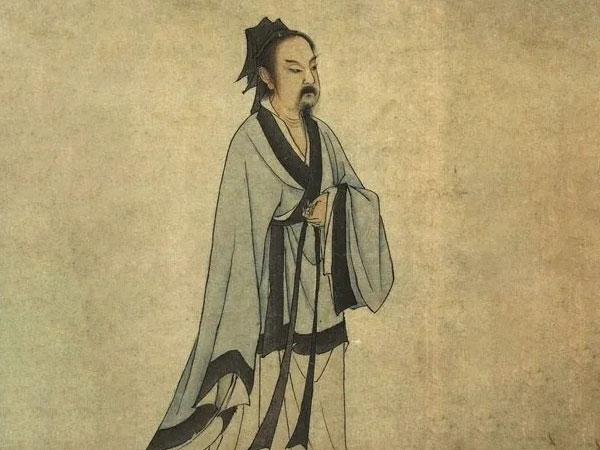
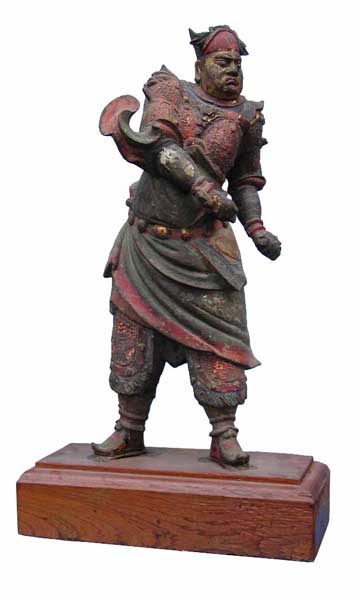
One of the stars of the Big Dipper
2026-04-15 11:51:31
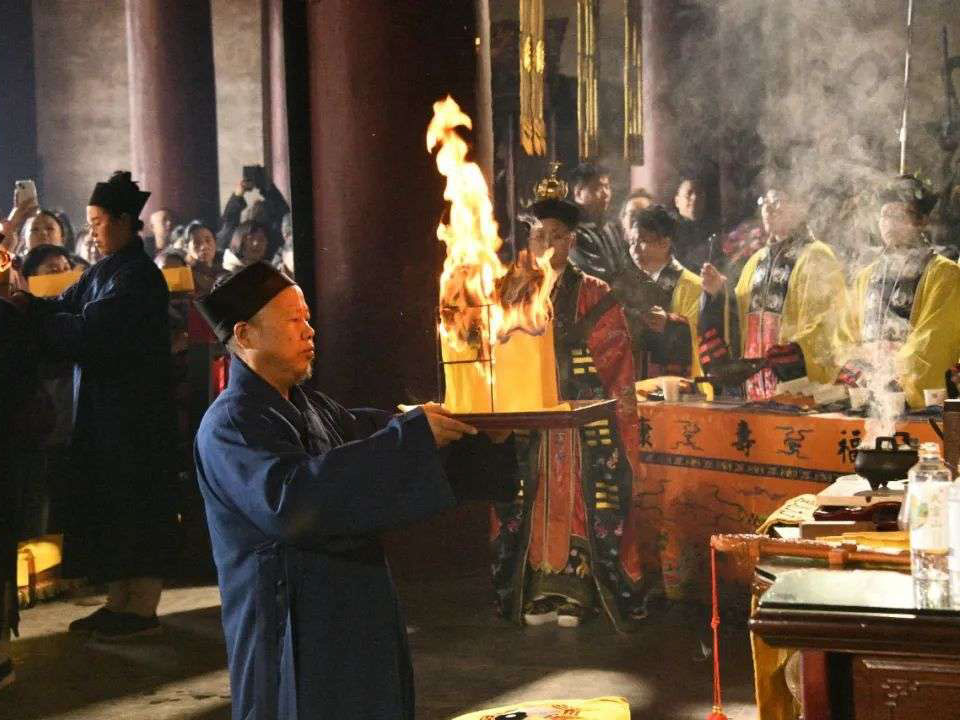
(1) The meaning of the ritual of fasting and Taoist ceremonies
2022-08-20 23:32:13
The original meaning of "zhai" was to be neat, harmonious an...
Yin GUI
2022-08-20 23:32:13
Chapter 27
2022-08-20 23:32:13
Chapter 72
2022-08-20 23:32:13
The couplet of the ancestral hall of the Wudang Mountain Temple
2022-08-20 23:32:13
The Record of Ascending to the Summit of Wudang
2022-08-20 23:32:13