


Chapter 40
2022-08-20 23:32:13
The opposite is the movement of the Dao, while the weak is the application of the Dao. All things in the world come from being ③, and being comes from non-being ④. The repetitive movement and change are the movements of the Dao, and the function of the Dao is subtle and weak. All things in the world arise from visible tangible substances, and tangible substances in turn arise from invisible intangible substances. [Note] 1. The opposite: repetitive and cyclical. One interpretation means the opposite, the opposite side. 2. The weak: Delicate and insignificant. 3. There is: Here it refers to the tangible nature of the Tao, which is the same as the "there is" in the chapter where "the name is the mother of all things". But it is not the "being" character that gives rise to being and non-being. 4. Nothingness: The same as the "nothingness" in "The beginning of the nameless world" in Chapter One. But it is different from the "nothingness" in the concept of "nothingness arising from nothingness". Here, "nothingness" refers to the metaphysical way of the surreal world. In Chapters One, Four, five, six, Fourteen, twenty-one, Twenty-five, Thirty-two, Thirty-four, thirty-five and thirty-seven, Laozi expounded his theories on the "Tao" from various aspects. In this chapter, Laozi, with extremely concise language, expounds on the laws of movement and change of the "Tao" and the role of the "Tao" in giving rise to all things in the world. Both this chapter and Chapter 42 discuss the fundamental theories of the "Tao". Although this chapter consists of only two sentences, it is concise and to the point, and its meaning is very rich. [Commentary] In the "Tao Te Ching", Laozi repeatedly mentioned that "the transformation of contradictions and oppositions of things is an eternal and unchanging law", summarizing the phenomena and essence of nature and human society. This is a very brilliant and incisive insight. There have always been two viewpoints in the interpretation of "the movement of the Dao" : one is that the opposing objects in contradiction each transform towards their own opposites; The second point is that the law of movement and change of things is cyclical and repetitive. In fact, these two explanations have the same meaning. Because Laozi acknowledged motion, acknowledging its cyclical and repetitive nature. This, of course, is due to Laozi's lack of understanding. Because the mutual transformation of opposites can only be achieved under certain conditions; without certain conditions, it cannot be transformed. Without any effort, transformation will occur under any circumstances, which to some extent has a fatalistic tint. The phrase "The use of the Dao by the weak" means that when the Dao is at work, it employs a gentle and weak approach. This is not entirely negative; it also has a positive side. The Dao creates all things without exerting any coercive force on them, but rather they occur and grow naturally. The distinction between using weakness and using strength lies in the difference between "non-action" and "action". All things in the world come from being, and being comes from non-being. Some commentators believe that this sentence can summarize the formula of "nothingness - existence - all things", and say that all things, after all, come from "nothingness". In fact, when Laozi talked about "being" and "non-being", he did not consider "non-being" as the primary thing but "being" as the secondary one. He regarded being and non-being as two opposing philosophical categories. Both being and non-being are attributes of the Dao, representing the process of the Dao's transformation from the intangible to the tangible when it gave birth to the universe and all things.
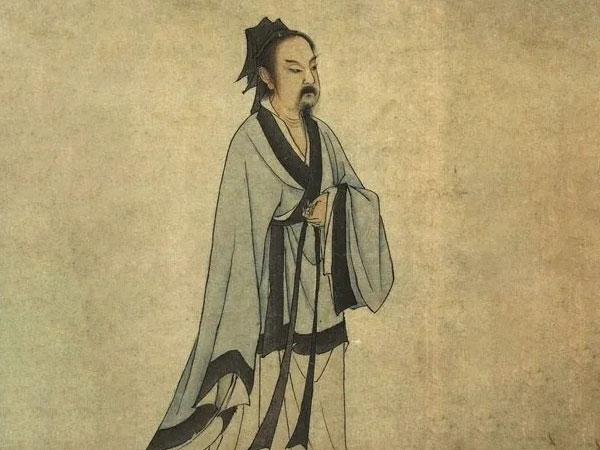
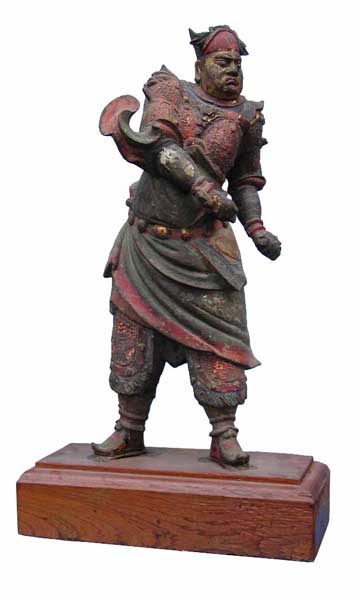
One of the stars of the Big Dipper
2026-04-15 11:51:31
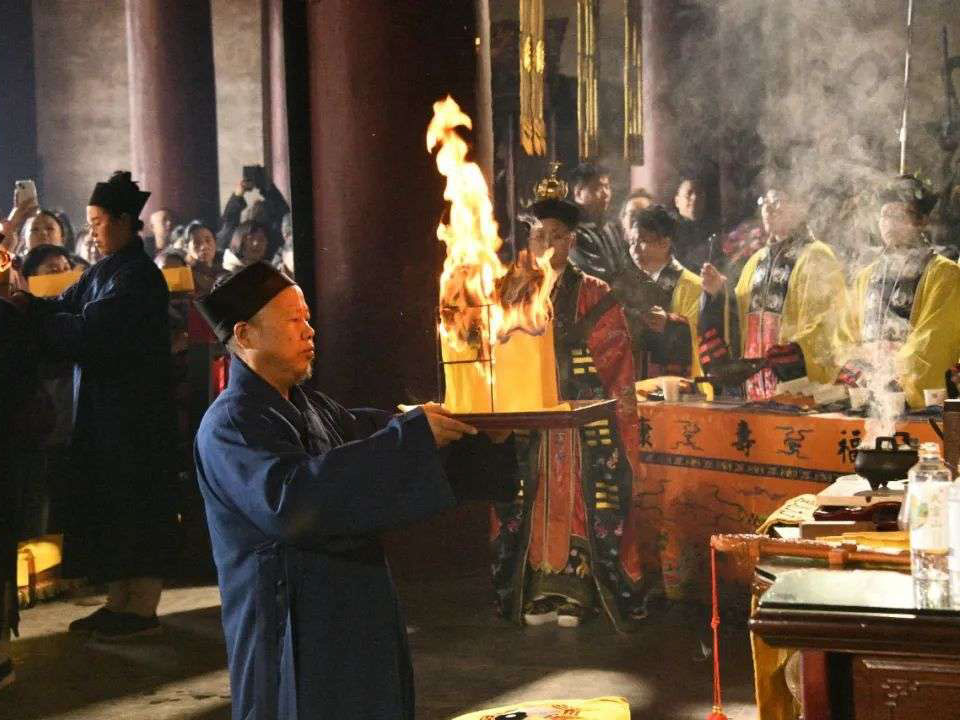
(1) The meaning of the ritual of fasting and Taoist ceremonies
2022-08-20 23:32:13
The original meaning of "zhai" was to be neat, harmonious an...
Yin GUI
2022-08-20 23:32:13
Chapter 27
2022-08-20 23:32:13
Chapter 72
2022-08-20 23:32:13
The couplet of the ancestral hall of the Wudang Mountain Temple
2022-08-20 23:32:13
The Record of Ascending to the Summit of Wudang
2022-08-20 23:32:13