


Chapter 37
2022-08-20 23:32:13
The Dao is always inactive yet nothing is left undone. If the King of Hou can guard him, all things will transform on their own. If one desires to transform into something ④, I will restrain it with nameless simplicity ⑤, restrain it with nameless simplicity ⑤, and I will not desire it ⑥. If one does not seek tranquility, the world will be governed by itself. The Dao always follows nature and does nothing, yet there is nothing that is not done by it. If the marquesses and Kings can govern the people in accordance with the principle of the "Way", all things will self-cultivate and self-perish, and thus develop fully. When greed arises from self-birth and self-growth, I will use the "Tao" to subdue it. If we subdue it with the true simplicity of the "Tao", no greed will arise. When all things have no greed, the world will naturally reach stability and peace. [Note] 1. Non-action yet nothing is left undone: "Non-action" means going with the flow and not acting rashly. "Nothing is impossible" means that there is nothing it cannot do. 2. Adhere to it: that is, adhere to the way. Zhi refers to the Dao. 3. Self-transformation: Self-nurturing, self-generating and self-growing. 4. Desire: Refers to greed. 5. Nameless simplicity: "Nameless" refers to "the Way". "Pu" describes the true simplicity of the "Way". 6. No desire: One book reads "No desire". 7. Self-correction: One book reads "Self-correction". This chapter is the last one of the "Tao Jing" in the "Tao Te Ching". Laozi implemented the concept of "Tao" proposed in the first chapter into his ideal society and politics - natural non-action. In Laozi's view, if rulers can govern in accordance with the laws of the "Dao", go with the flow and not interfere rashly, the people will be free and self-developing. In Chapter 25, it is mentioned that "the Way follows nature". Nature is non-action, so the "Way" is also non-action. "Stillness", "simplicity" and "non-desire" are all the connotations of non-action. If rulers can govern in accordance with the laws of the "Way", without harming the people or acting recklessly, the common folk will not breed more greed, and their lives will be natural and peaceful. [Commentary] The idea of "non-action" is expounded and explained many times in Laozi's "Tao Te Ching". The first sentence at the beginning of this chapter is "The Way is always non-actional yet nothing is left undone." Laozi's Dao is different from the gods of any religion. Gods have will and purpose, while the Dao is non-personified. It creates all things but does not control them. It allows the natural reproduction, development, elimination and rebirth of all things. Therefore, "non-action" is actually not acting rashly or forcefully. The result of doing so, of course, is that there is no compromise. The second sentence introduces human society and discusses the application of the law of the "Tao" in human society. Laozi, based on the natural principle that "the Dao is always non-action yet nothing is left undone", demanded that "if Kings and marquesses can adhere to this principle", that is, in social and political aspects, they should also follow the rule of "non-action yet nothing is left undone", thereby leading to the conclusion that "when one wants to transform and act, I will restrain it with nameless simplicity." Laozi believed that an ideal ruler, as long as he adheres to the principles of the "Tao", will reach an ideal society where "the world will be self-determined". Here, the term "zhen" is interpreted by some as "suppressing", and based on this, it is believed that Laozi revealed his violent suppression of the people in the explanation of this chapter: whoever dares to cause trouble must be severely suppressed. This interpretation, we feel, is contrary to Laozi's original intention. "Suppression" should be "subduing" and "calming", and by no means "suppression" by military means. From this, we also believe that Laozi did not represent the demands of the slave-owning ruling class, but rather considered issues from the perspective of the development and progress of human society, rather than merely representing the interests and will of a certain class or stratum. This demonstrates Laozi's profound sense of historical responsibility in his heart. Therefore, this is progressive and positive.
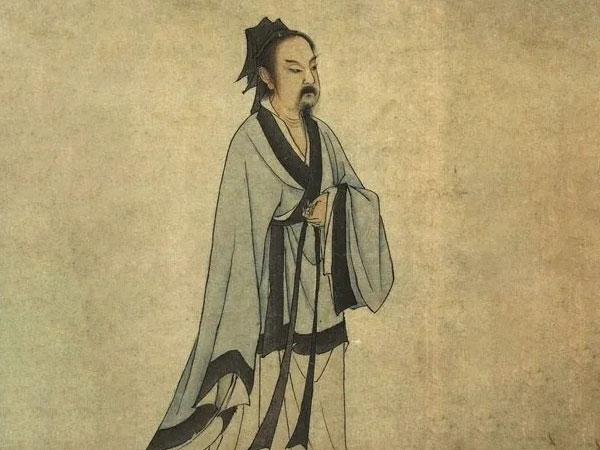
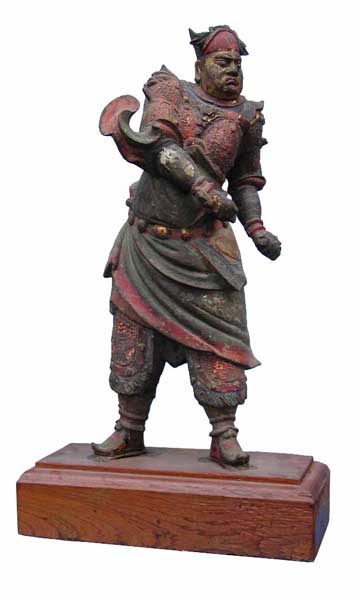
One of the stars of the Big Dipper
2026-04-15 11:51:31
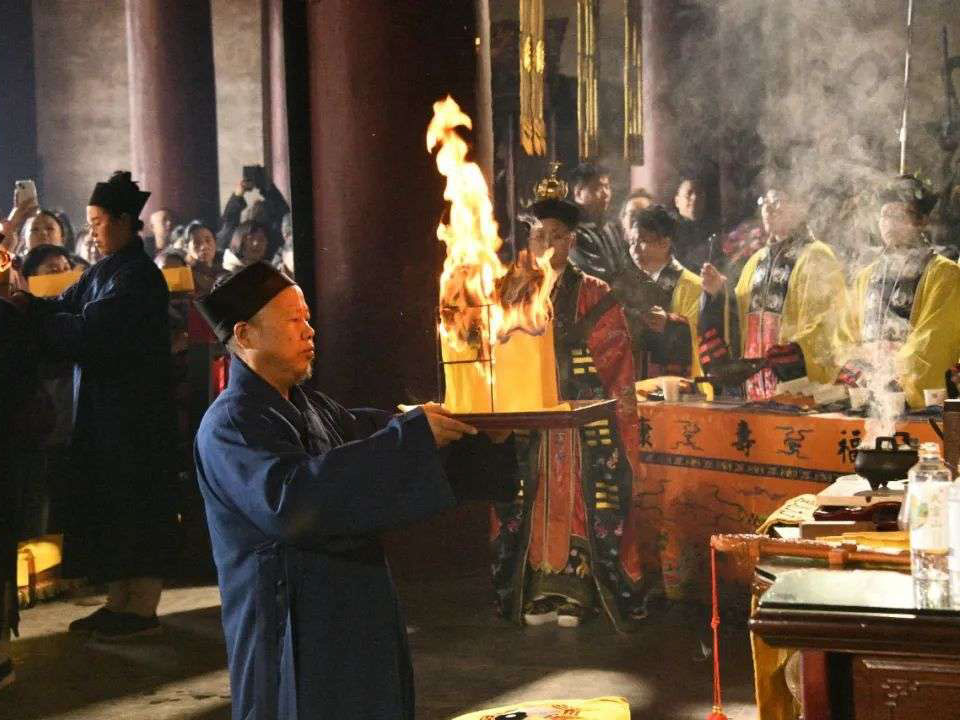
(1) The meaning of the ritual of fasting and Taoist ceremonies
2022-08-20 23:32:13
The original meaning of "zhai" was to be neat, harmonious an...
Yin GUI
2022-08-20 23:32:13
Chapter 27
2022-08-20 23:32:13
Chapter 72
2022-08-20 23:32:13
The couplet of the ancestral hall of the Wudang Mountain Temple
2022-08-20 23:32:13
The Record of Ascending to the Summit of Wudang
2022-08-20 23:32:13