


Chapter Thirty-five
2022-08-20 23:32:13
Holding the great elephant ①, the world will go. Without harm, peace and tranquility are supreme. Joy and bait ③, a passer-by stops, the exit of the way, is tasteless, not enough to be seen, not enough to be heard, not enough to be used. ④ Whoever masters the great "Way", people all over the world will come to him for refuge, yearning for and relying on him without hindering each other, and thus everyone will be peaceful, at ease and serene. Music and delicious food make passers-by stop in their tracks. Expressing the great way with words is plain and tasteless. Looking at it, you can't see it; listening to it, you can't hear it either. But its function is endless and unrestricted. [Note] 1. Elephant: The image of the great way. 2. Anping Tai: An, nai, ze, thus. "Tai", the same as "Tai", means peace and tranquility. 3. Music and Bait: Music and Food. 4. Ji: It means to complete. [Quotation] This chapter expounds on the role and influence of the "Tao", but neither this chapter nor the previous one is merely a repetition of the discussions on the "Tao" in the previous chapters; rather, it implies a hidden meaning. The role and influence of the "Tao" should not be underestimated. It enables people all over the world to turn to it without hindering each other and lead a peaceful and tranquil life. Therefore, it can be said that this chapter is actually an ode to the "Tao". In the "Tao Te Ching", the term "Tao" has been discussed many times, but it has never been repeated. Instead, it has been gradually elaborated layer by layer, allowing people to truly feel the great power of the "Tao". [Commentary] "Music and bait" refer to the prevailing governance of benevolence, righteousness, propriety and law, while "passers-by" refer to ordinary rulers, but not yet the supreme ruler. In this chapter, Laozi warns the officials in power not to indulge in sensual pleasures and delicious food, but to submit to the natural and simple way, so as to maintain social stability and development. The ruling group indulged in sensual pleasures and neglected state affairs. This was a common phenomenon at the end of the Spring and Autumn Period. The wars among the vassal states caused the people to suffer greatly. In daily life, the rulers were preoccupied with state affairs and showed no concern for the well-being of the people at all. Laozi was extremely clear about the situation at that time. What he said in this chapter indicates his historical sense of responsibility to worry about the safety and survival of the common people.
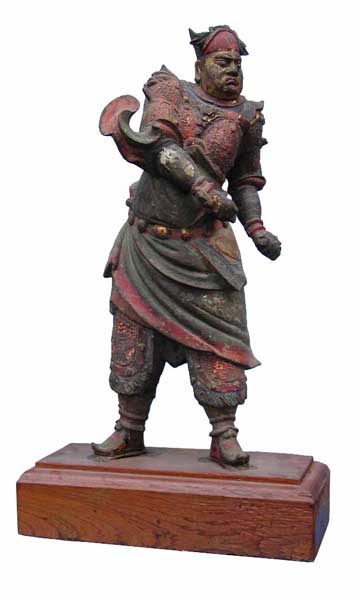
One of the stars of the Big Dipper
2026-04-15 11:51:31
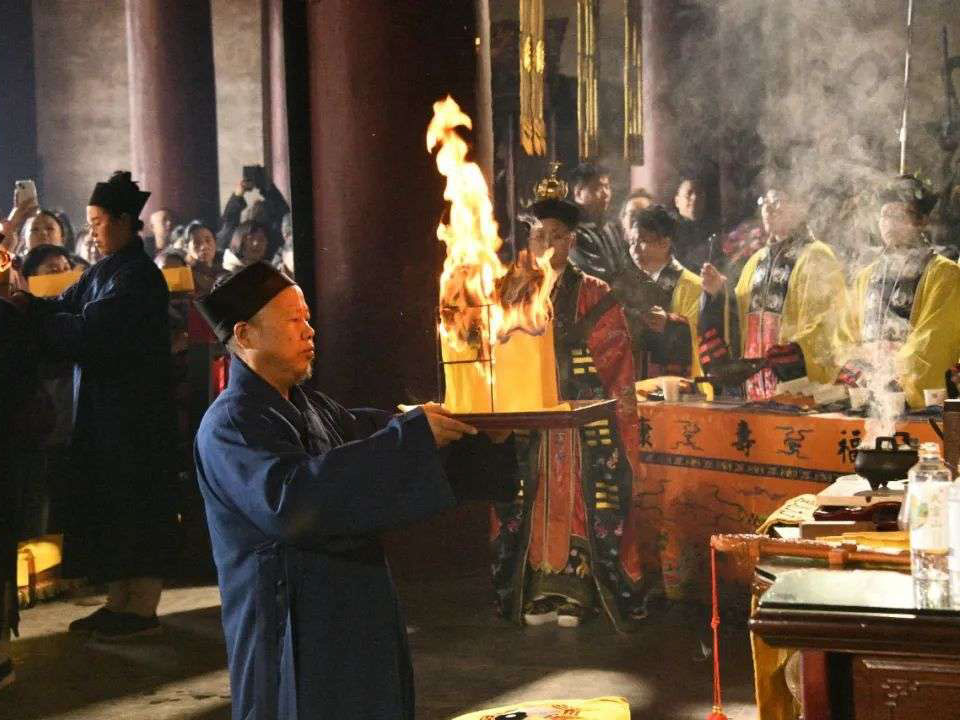
(1) The meaning of the ritual of fasting and Taoist ceremonies
2022-08-20 23:32:13
The original meaning of "zhai" was to be neat, harmonious an...
Yin GUI
2022-08-20 23:32:13
Chapter 27
2022-08-20 23:32:13
Chapter 72
2022-08-20 23:32:13
The couplet of the ancestral hall of the Wudang Mountain Temple
2022-08-20 23:32:13
The Record of Ascending to the Summit of Wudang
2022-08-20 23:32:13