


Chapter 27
2022-08-20 23:32:13
Good deeds leave no trace. Good words ②, flawless criticism ③; Good numbers ④, no need for planning ⑤; Be good at closing, have nothing to do with 楗 and cannot open ⑥; A good knot, without a rope, cannot be untied. ⑦ Therefore, the sage is always good at saving people, and thus never abandons anyone. Always be good at saving things, and thus there will be no abandonment of them. This is called inheriting the Ming Dynasty ⑧. Therefore, a good person is the teacher of a bad one. Those who are not kind to others have the qualities of a kind person ⑨. If one does not value one's teacher and does not care about one's talent, even if one's wisdom is great and confused, this is called essential and wonderful. A good walker leaves no tracks. Those who are good at speaking will not have faults. Those who are good at counting do not need bamboo stoves. Those who are good at closing do not use a bolt to prevent opening. Those who are good at binding do not use ropes so that they cannot be untied. Therefore, sages often save people, so there are no abandoned ones. Always good at making the best use of things, there are no discarded items. This is called the hidden wisdom and intelligence. Therefore, good people can serve as teachers for evil people, and evil people can act as references for good people. Not respecting one's own teacher and not cherishing his reference value, although thinking oneself smart, is actually a great folly. This is the profound and subtle truth. [Note] 1. Track: The trace left by the wheels of a vehicle during driving. 2. Good words: It refers to being adept at teaching without words. 3. Flaws: Faults, shortcomings, and defects. 4. Number: Calculation. 5. "Chou ce" : An instrument used by people in ancient times for calculation. 6. Close 楗 : pin. In ancient times, the doors in households were related, that is, they were bolted. There is 楗, that is, the tip, which is made of wood. 7. Rope Contract: Rope. "About" refers to binding something with a rope. 8. Xi Ming: Concealing wisdom and intelligence within. "Xi" means to cover up. 9. "Zi" means to take resources or draw on others' experiences. 10. "Yao Miao" means to be concise, profound, and mysterious. [Quotation] This chapter is an extension of the idea of "natural non-action". Laozi used "good deeds", "good words", "good counting", "good closure" and "good conclusion" as metaphors to illustrate that as long as one is good at teaching without words, good at governing without action, and in accordance with nature, it is possible to achieve excellent results without much effort and without any flaws. This chapter once again expounds the principle of not being self-opinionated, not being self-righteous, not self-criticizing, and not being self-conceited. It does not "value one's teacher" from a positive perspective or "love one's talent" from a negative one, achieving the state of "even if one's wisdom is greatly confused". Therefore, the leading idea of this chapter is to extend the application of natural non-action to a broader range of life fields. [Commentary] The content discussed in this chapter mainly urges people, especially sages, to adhere to the principle of "governing by non-action", indicating that those with the right path should follow nature in their interactions with others and things, and further expressing the heart of those with the right path to neither abandon people nor things. No one abandons others, and no thing abandons anything. All the good and bad people, good and bad things in the world are of use. The virtuous should be regarded as teachers and the wicked as mentors. All should be treated kindly. Especially for the unvirtuous, they should not be despised because of their unvirtue. On the one hand, they should be encouraged and guided; on the other hand, they should also be given a reference to become virtuous people. This takes into account the two opposing aspects that a thing encompasses. Don't just look at it from one aspect. Sloppy and careless; Or they only know one aspect but not the other, and thus become complacent. It is not advisable to think that one knows everything and is proficient in everything, or to be arrogant because of one's talent.
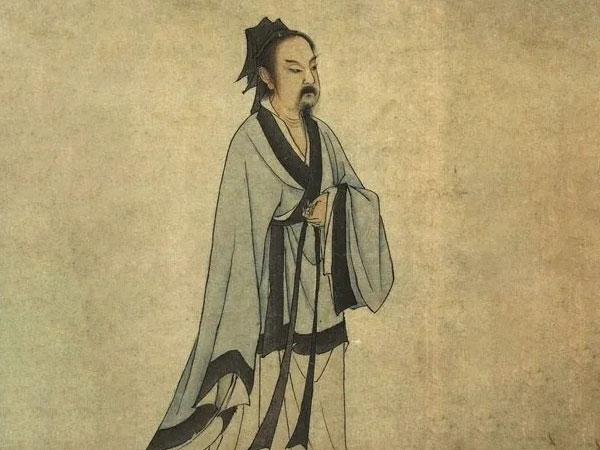
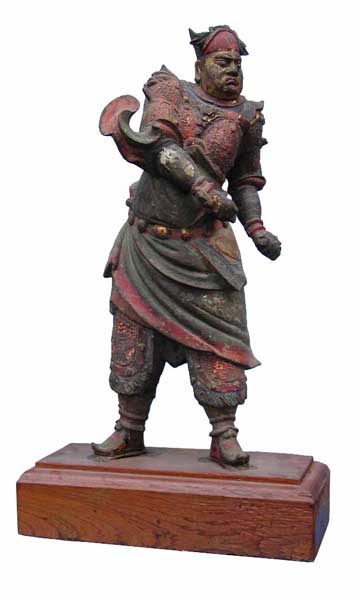
One of the stars of the Big Dipper
2026-04-15 11:51:31
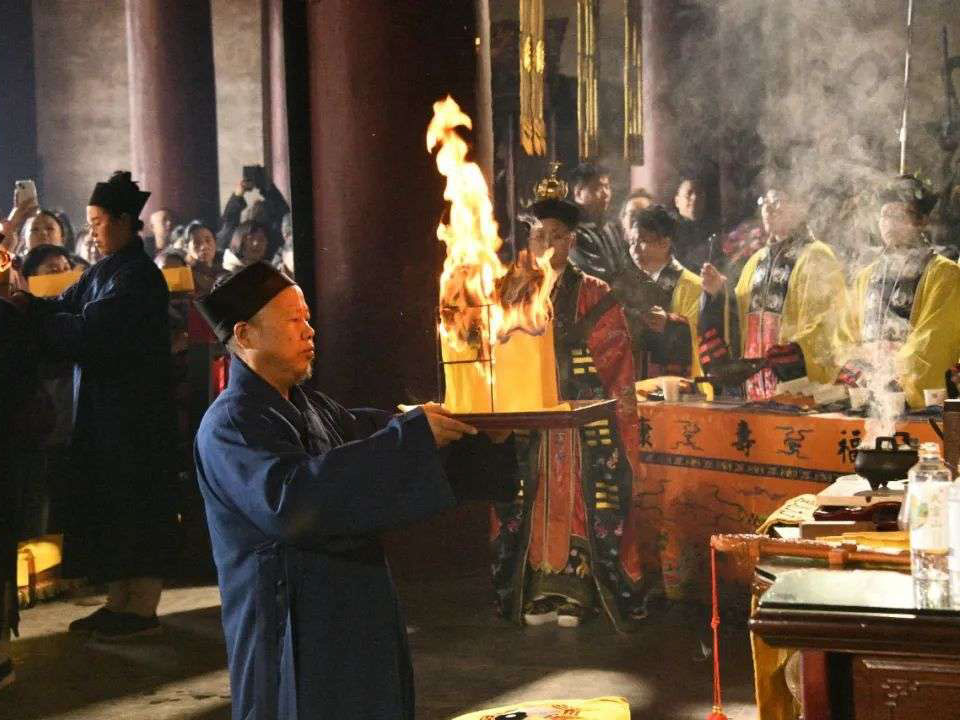
(1) The meaning of the ritual of fasting and Taoist ceremonies
2022-08-20 23:32:13
The original meaning of "zhai" was to be neat, harmonious an...
Yin GUI
2022-08-20 23:32:13
Chapter 27
2022-08-20 23:32:13
Chapter 72
2022-08-20 23:32:13
The couplet of the ancestral hall of the Wudang Mountain Temple
2022-08-20 23:32:13
The chapter on Pain Relief
2022-08-20 23:32:13