


Chapter 23
2022-08-20 23:32:13
[Original text] Hope for natural words ①. So why does a strong wind not last all morning and a heavy rain not last all day? Heaven and earth. The universe cannot last long, let alone human beings. Therefore, those engaged in the Tao are the same as those in the Tao. Virtue is the same as virtue. What is lost is lost as well. Those who are in harmony with the Tao are also delighted by the Tao. Those who are in harmony with virtue are also glad to have virtue. Those who lose are glad to gain what they have lost. If there is not enough faith, there will be no faith! It is in line with nature not to speak of government orders or disturb the people. A strong wind won't blow all morning, and a heavy rain won't last all day. Who made it like this? Heaven and earth. Even the wildness of heaven and earth cannot last long, let alone human beings? Therefore, those who engage in the Tao are the same as the Tao; those who engage in virtue are the same as virtue; and those who engage in loss are the same as loss. Those who are in harmony with the Tao are also glad to be received by the Tao. Those who are in harmony with virtue, virtue is also glad to have them. Those who share the same loss are glad to be regained even when lost. If a ruler lacks integrity, there will be people who do not trust him. [Note] 1. Xiyan: Literally, it means to speak less. Here it refers to the meaning that the ruler imposes fewer administrative orders and does not disturb the people. 2. Blowing wind: Strong wind, strong wind. 3. Sudden rain: Heavy rain, downpour. 4. Those engaged in the Tao: People who act in accordance with the Tao. Here it refers to the ruler governing according to the way. 5. Loss: It refers to the loss of one's way or virtue. [Quotation] This chapter corresponds to Chapter Seventeen. Chapter Seventeen reveals that the high-pressure policy of harsh laws and severe punishments has in vain made the people "fear and insult them". Therefore, it is hoped that the rulers will make changes. The previous chapters have repeatedly expounded similar sayings such as "teaching without words", "Words are precious", and "too many words lead to exhaustion". At the beginning of this chapter, the principle of "words are natural" is continued to be expounded. These "yan" characters, when interpreted literally, mean to speak, and their implied meanings all refer to politics, religion, laws and regulations. Laozi used the fact that violent storms in nature will not last long as a metaphor to warn rulers not to interfere with compulsory laws and regulations, and even less to exercise tyranny. Instead, they should practice "quiet and non-action" governance, which is in line with the laws of nature and can make the people live in peace and comfort. If the people are forced by laws and regulations and exploited by excessive taxes and levies, then the people will treat the rulers with hostile and resistant actions, and tyranny will not last. [Commentary] In this chapter, Laozi said that a sage (ruler) who has achieved enlightenment should teach without words. He said that as long as one believes in the Tao and acts accordingly, one will naturally obtain the Tao. On the contrary, it is impossible to obtain the Tao. In this chapter, Laozi uses examples from nature to illustrate that fierce winds and heavy rain cannot blow non-stop all day long. Even the violent storms stirred up by heaven and earth cannot last long, let alone the excessive and tyrannical governance and the abuse of the people by humans. This metaphor is very appropriate and highly persuasive. It warns the rulers to follow the principles of the Tao and the laws of nature. Tyranny will not last long. If the rulers are quiet and inactive, a peaceful and harmonious atmosphere will emerge in society. If they act recklessly, the people will resist them. If a ruler lacks integrity, the common people will not trust him. Throughout history, both at home and abroad, which ruler who implemented violent and tyrannical policies did not die a short life? Why did the Qin Dynasty, the first feudal centralized dynasty in China, exist for only one or two decades? It was precisely because the Qin Dynasty implemented tyranny and harsh policies that the people could no longer live in a normal way and were forced to rise up in rebellion. Another short-lived dynasty, the Sui Dynasty, was also eventually replaced by the Tang Dynasty due to its tyranny, which aroused the people's resistance. History is like a mirror. It reflects that if the rulers are quiet and inactive, do not issue orders to the people, and do not force them to pay grain and taxes, then this society will be more in line with nature, more clear and simple, and the rulers and the people will live in peace. Then the rulers' world can last forever.
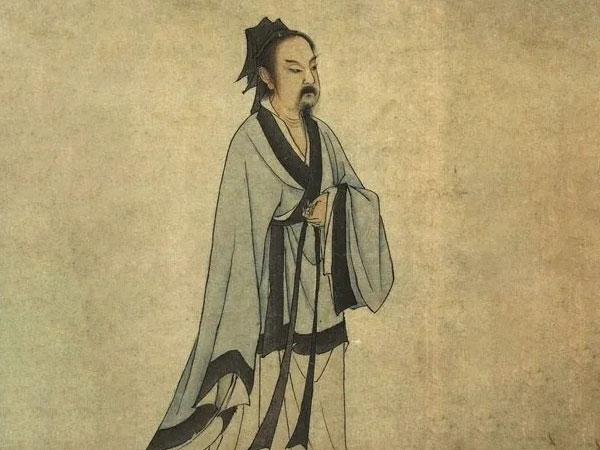
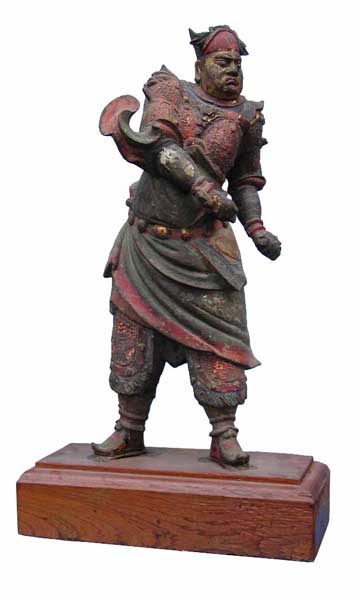
One of the stars of the Big Dipper
2026-04-15 11:51:31
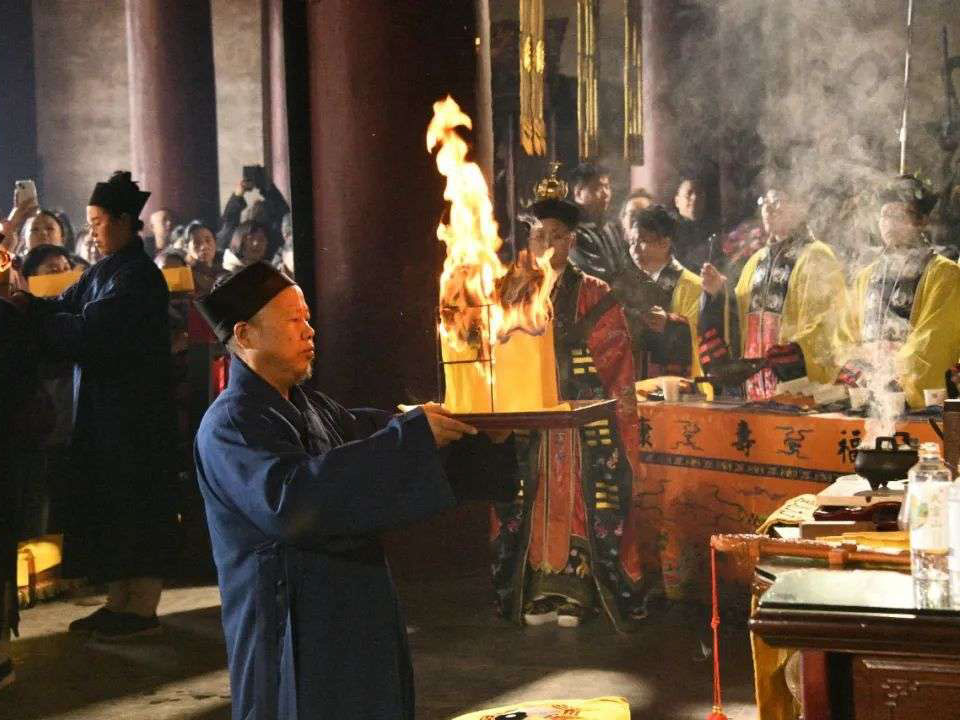
(1) The meaning of the ritual of fasting and Taoist ceremonies
2022-08-20 23:32:13
The original meaning of "zhai" was to be neat, harmonious an...
Yin GUI
2022-08-20 23:32:13
Chapter 27
2022-08-20 23:32:13
Chapter 72
2022-08-20 23:32:13
The couplet of the ancestral hall of the Wudang Mountain Temple
2022-08-20 23:32:13
Chapter 19
2022-08-20 23:32:13