


Chapter Twenty-Two
2022-08-20 23:32:13
If curved, it is complete; if empty, it is straight; if uneven, it is full; if exposed, it is new; if less, it is gained; if more, it is confused. Therefore, the sage holds one as the model for the world. One does not see ⑤ oneself, thus understanding ⑥. If one does not act on one's own, it is remarkable; if one does not criticize oneself, it is meritorious. Not being self-important leads to growth. It is precisely because one does not contend that no one in the world can contend with him. The ancient saying that "a curved form is complete" is not an empty statement. Return with sincerity and integrity. Compromise leads to preservation; injustice leads to uprightness. The low-lying areas will be filled, and the old will be renewed. Take less and you will gain; be greedy and you will be deceived. Therefore, those who have the way adhere to this principle as the model for the principles of the world. They do not praise themselves but rather reveal the truth. Not being self-righteous can instead make right and wrong clear. If one does not boast about oneself, one can gain merit instead. Only by not being self-restrained can one last long. It is precisely because he does not contend with others that no one in the world can contend with him. How could the ancient saying, "If you compromise, you will be preserved," be just empty talk? It can truly be achieved. [Note] 1. "Wang" means to bend or bend. 2. "Bi" : Decline. 3. Embrace One: Embrace, guard. One is the Dao. This means adhering to the way. 4. Style: Form or pattern. 5. See: pronounced as "xian", appearing together. 6. Ming: To reveal clarity. 7. "Fa" : Praise. In this chapter, Laozi further deepens the dialectical thought expounded in the second chapter from the perspective of life experience. Chapter Two mainly focuses on the transformation of contradictions. At the beginning of this chapter, Laozi employed six ancient idioms to expound on the dialectical thoughts contained in the transformation of things from positive to negative, namely, compromise and preservation, bowing and straighting, dissatisfaction and overabundance, the old and the new, lack and gain, greed and confusion. He applied the principle of observing and handling social life with dialectical thought, and finally reached the conclusion of "non-contention". [Commentary] What ordinary people see is only the surface of things and not their essence. Laozi summed up wise thoughts from his rich life experiences, which deeply enlightened people. People living in the real world cannot have everything go smoothly. They are very likely to encounter all kinds of difficulties. In such circumstances, Laozi tells people that they can first adopt a yielding approach, wait, observe and wait for changes, and then take action to achieve their goals. In the chapter "The World" of Zhuangzi, Zhuangzi said that Laozi's way is "All people seek blessings, but only one can achieve perfection." It is said, "One must be free from blame." The "ququan" mentioned here means "to be free from blame". Laozi believed that things often arise in an opposing relationship. People should observe both ends of things, and see the negative situation from the positive side. Grasping the negative can better reveal the positive connotation. In fact, the positive and the negative are not completely different things but rather a frequently stored relationship. Ordinary people only know how to seek immediate benefits and be eager for quick success. This may not be a good thing. Laozi warned people to broaden their horizons, be modest and open-minded, and move forward firmly towards their goals. However, if one acts blindly without considering the objective circumstances, the result will only be counterproductive. In the "curved", there lies the principle of "completeness"; in the "empty", there lies the principle of "straightness"; in the "hollow", there lies the principle of "fullness"; in the "worded", there lies the principle of "newness". Therefore, by grasping the mystery within, one can achieve "non-contention". Of course, the truth is not entirely so. Some things can be achieved without contention, while others cannot.
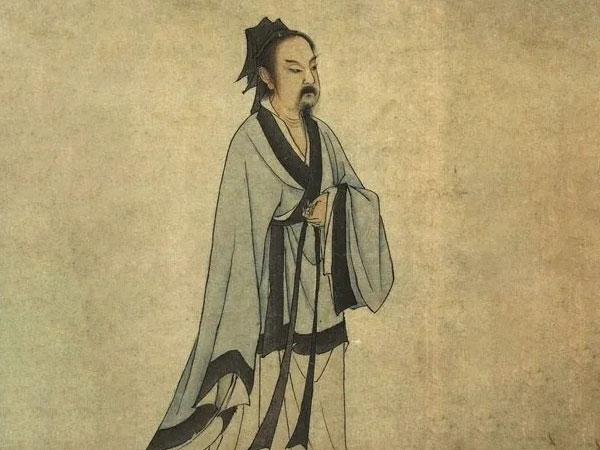
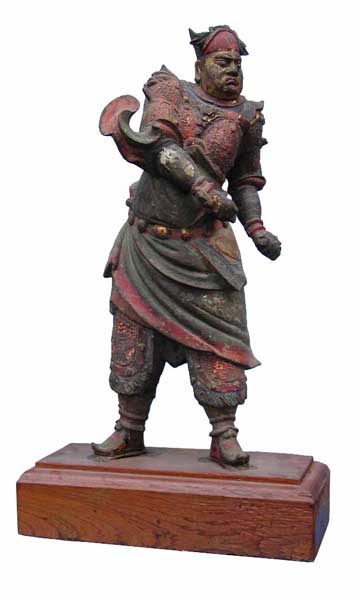
One of the stars of the Big Dipper
2026-04-15 11:51:31
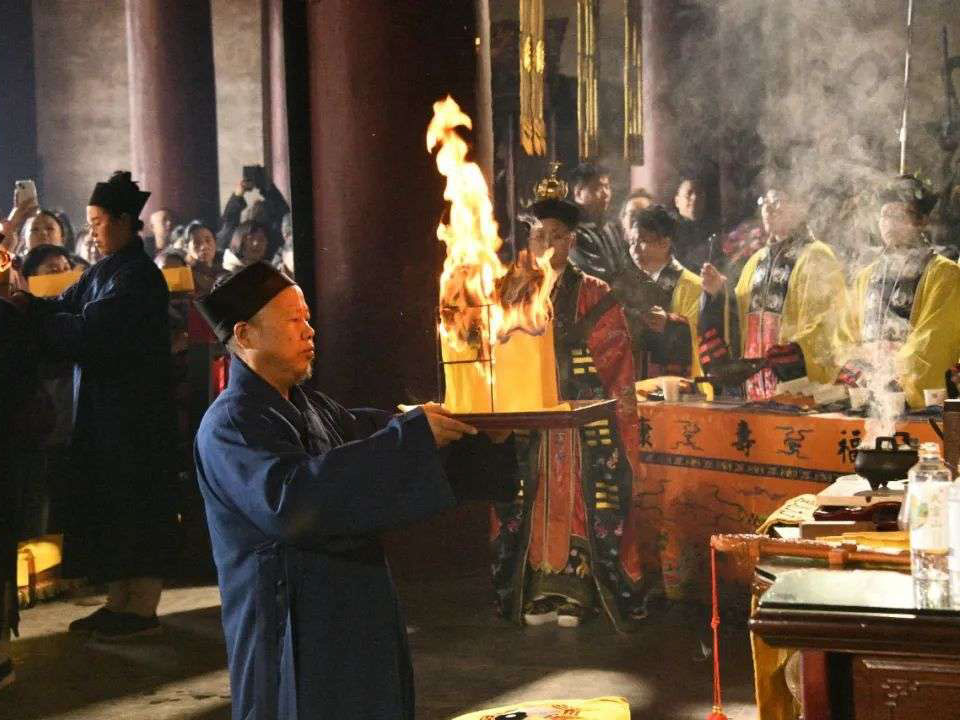
(1) The meaning of the ritual of fasting and Taoist ceremonies
2022-08-20 23:32:13
The original meaning of "zhai" was to be neat, harmonious an...
Yin GUI
2022-08-20 23:32:13
Chapter 27
2022-08-20 23:32:13
Chapter 72
2022-08-20 23:32:13
The couplet of the ancestral hall of the Wudang Mountain Temple
2022-08-20 23:32:13
The Record of Ascending to the Summit of Wudang
2022-08-20 23:32:13