


Chapter 21
2022-08-20 23:32:13
Confucius' virtue ② appearance ③ follows only the Dao. The Dao as a thing is only vague and intangible. Hazy and indistinct, there is an image within. Hazy and indistinct, there is something within. Youdaoplaceholder0 is dark and mysterious ⑥, within it there is essence ⑦, and its essence is very true ⑧, within it there is faith ⑨, from the present to the past ⑩, its name will not be forgotten, for the sake of reading the names of the scholars ⑾. How do I know the state of all the scholars? In this way, The form of great virtue is determined by the Tao. The thing called "Dao" has no clear fixed entity. It is so hazy and indistinct, yet there are images within it. It was so hazy and indistinct, yet there was something real in it. It is so profound and dark, yet there is essence within it. This essence is the most genuine and can be verified. From the present to the ancient times, its name can never be abolished. Only by relying on it can we observe the origin of all things. How can I know the beginning of everything? It is recognized from the "Tao". [Note] 1. Hole: Very, large. 2. Virtue: The manifestation and function of the "Tao" is called "Virtue". 3. Rong: Operation, form. 4. Trance: As if, unclear. 5. Image: Figurative, concrete. 6. Youdaoplaceholder0 ximingxi: 窈, profound, imperceptible. The dark, obscure, unfathomable. 7. Essence: The tiniest original matter, the extremely fine material entity. The tiniest of the smallest. 8. Very true: It is very real. 9. Trustworthiness: Reliable and trustworthy, genuine and trustworthy. 10. From the present to the Past: One book is titled "From Ancient Times to the Present". 11. All the Fu: The fu is in communication with the father, and the extension is the beginning. 12. Thus: This refers to the Dao. [Quotation] From the first chapter of this book, Laozi has pointed out that "Dao" is the origin of the universe. But is this original "Dao" spiritual or material? Regarding this issue, the academic community has different interpretations, leading to the emergence of two viewpoints: "The Dao" is idealist and "the Dao" is materialist. In this chapter, Laozi further elaborates on the viewpoint from Chapter Fourteen that the "Dao" is "the form without form, the image without substance, which is called the vague and the vague", clearly stating that the "Dao" is composed of extremely fine and sticky substances. Although it is invisible and formless, it does exist and all things are produced by it. In this chapter, Laozi also put forward the view that the content of "virtue" is determined by "the Way", and the attributes of "the Way" are manifested as "virtue", which concentratedly describes some characteristics of "the Way". Chapter One, Chapter Four, Chapter Fourteen, this chapter and Chapter Twenty-five are important sections for studying the core of Laozi's philosophical thought - the nature of the Dao. [Commentary] One school of thought in the academic circle holds that Laozi's "Dao" is not a material entity but something like an absolute spirit. This view is questionable. Our view leans towards the opinion that the "Tao" has materiality. Because Laozi said that "the Dao is a thing", and also stated that "the Dao" contains things, images and essence, this clearly does not belong to the conceptual nature but to the material aspect. Such problems will be encountered again in the following chapters. Furthermore, regarding the relationship between the Dao and virtue, Laozi's opinion is: The Dao is intangible; it must act upon things and manifest its function through the medium of things. Here, Laozi refers to the function of the "Tao" manifested in all things as "virtue". The "Tao" gives birth to all things and is inherent in them. It shows its attributes in all things, that is, it expresses its "virtue". In the practical issues of life, the "Tao" is manifested as "Virtue".
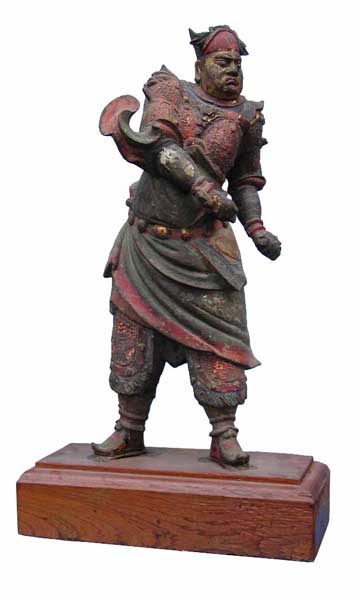
One of the stars of the Big Dipper
2026-04-15 11:51:31
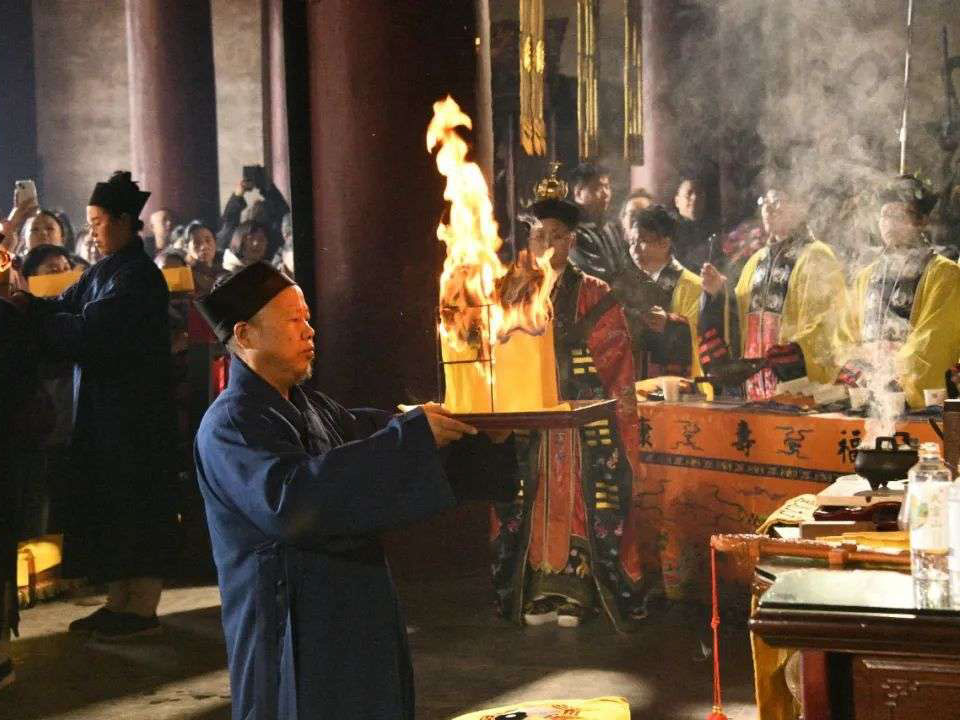
(1) The meaning of the ritual of fasting and Taoist ceremonies
2022-08-20 23:32:13
The original meaning of "zhai" was to be neat, harmonious an...
Yin GUI
2022-08-20 23:32:13
Chapter 37
2022-08-20 23:32:13
"Thunderbolt head"
2022-08-20 23:32:13
Zhao Yuanliang
2022-08-20 23:32:13
Chapter 47
2022-08-20 23:32:13