


Chapter Twenty
2022-08-20 23:32:13
How much is the difference between Wei Zhi and A ①? Beauty and evil ②, how do they part? What one fears, one must not fear. How desolate! How endless! The crowd was bustling and lively, as if enjoying a grand prison, as if spring had stepped onto the stage. I am alone, yet there is no sign of it. Dun dun, like the unborn child of an infant. Youdaoplaceholder0 xi ⒁, if nowhere to go. All have ⒂, but I am the only one left with ⒃. How foolish my heart is ⒄! The common man is obvious ⒅, while I am alone in a daze ⒆. The layman examines ⒇, while I am alone and bored [21]. Dan Xi [22], as vast as the sea; Youdaoplaceholder0 xi [23], if there is no end. All have their own opinions [24], but I am stubborn and contemptuous [25]. I am different from others, but I cherish mothers. [26] How far is the distance between keeping a promise and scolding? How much is the difference between beauty and ugliness? What people fear cannot but be feared. This trend has been like this since ancient times, as if it has no end. Everyone was bustling and in high spirits, as if attending a grand banquet or stepping onto a stage in spring to enjoy the beautiful scenery. But I am alone, indifferent and unmoved. It's so muddled and confused, just like a baby who still can't make any giggling sounds. Tired and idle, it seems as if the prodigal son has yet to find his home. Everyone else has something left over, but I seem to have nothing left. I really have only a foolish heart! While everyone else is shining brightly, I am the only one who is dazed and confused. Everyone else is so strict and harsh, but only I am so kind and magnanimous. It's so dazed, like the surging sea. It's so dazed, like drifting aimlessly with nowhere to stay. All people in the world are shrewd, dexterous and capable, but I am ignorant and clumsy. The only thing that sets me apart from others is that I have obtained the "Tao". [Note] 1. "Wei Zhi and A" : "Wei" means to respectfully agree. This is the voice of a junior responding to an elder. "Ah, a casual reply. This is the voice of an elder responding to a junior." The voice of "Wei" is low while that of "A" is high. This is a term used to distinguish between nobility and baseness. 2. Beauty and Evil: Beauty is interpreted as good in one book, and evil as ugly. That is, beauty and ugliness, good and evil. 3. Fear: To be afraid or intimidated. 4. "Huangxi" : A vast and distant appearance. 5. Unfinished: Not completed, not finished. 6. Xi Xi: Xi, meaning harmony and joy, is used to describe a state of indulging in desires and being in high spirits. 7. Enjoying Taolao: Taolao refers to the practice in ancient times where cattle, sheep and pigs used for banquets were raised in prison in advance. This sentence refers to attending a sumptuous banquet. 8. Stepping onto the stage like spring: It's as if one is stepping onto the stage in spring to look out. 9. I: This "I" can be understood as Laozi's self-description, or as the so-called "person who embodies the Dao". 10. "Bo" : To be indifferent and peaceful. 11. Unthreatened: Without any signs, premonition or indications, describing someone who is indifferent and does not show off. 12. Dundunxi: Chaotic, unclear. 13. Child: The same as "cough", describing the laughter of a baby. 14. Youdaoplaceholder0 xi: tired and idle. 15. Surplus: Having abundant wealth and goods. 16. Legacy: It means insufficiency. 17. Fool: A simple and straightforward state. 18. Zhaozhao: A radiant and intelligent appearance. 19. Fainting: A dull and dark appearance. 20. Cha Cha: A stern and harsh appearance. 21. Manmeng: A simple and honest appearance. 22. Danxi: A vast and distant appearance. 23. Hurricane: A strong wind. 24. "Youyi" means useful, accomplished, and capable. 25. Stubborn and vulgar: Describing someone as ignorant and clumsy. 26. Precious Food Mother: "Mother" is used as a metaphor for "Dao", and Dao is the mother who gives birth to all things in heaven and earth. This name means that adhering to the way is of Paramount importance. Laozi, based on the principles of dialectics, believed that all value judgments such as nobility and baseness, good and evil, right and wrong, beauty and ugliness are relatively formed and change with the differences in the environment. In this chapter, Laozi contrasts and describes the mindset of ordinary people with his own. It exposes the greedy state of the upper class in pursuit of material desires and exaggeratedly describes itself in the opposite way. In the text, "I" refers to Laozi himself, but not merely to him personally; rather, it refers to a person with ambition and expectations. "Common people" and "ordinary people" refer to the upper class of society. These people have no strict standards for judging right and wrong, good and evil, beauty and ugliness, and even act in a confused and arbitrary manner. He said that "I" have a "fool's heart", which of course is saying the opposite of what he said. While ordinary people indulge in sensual pleasures and material gains, "I" am content to remain simple and unpretentious, seeking spiritual elevation rather than drifting along with the current. In his "New Translation of Laozi", Ren Jiyu said, "Laozi was dismissive of many phenomena at that time. He regarded everyone as despicable and vulgar, but considered himself superior to anyone else." On the surface, he deliberately said some words that belittled himself, saying that he was incompetent, confused and lacking in skills. In fact, he was elevating himself from the opposite side and belittling the ordinary people in society. He was bragging and admiring himself. In the last sentence, he expressed his positive opinion. What set him apart from others was that he had obtained the "Way". In Laozi's view, good and evil, beauty and ugliness, nobility and lowliness, right and wrong are all relatively formed. People's value judgments often change with different times and vary with different environments. The value judgments of the mundane world are extremely confusing. What others detest is precisely what one should not violate. Here, Laozi also made some complaints, which gave people a sense of being cynical about the world and the mundane, and among them were no shortage of profound philosophies. He explained that in terms of his values and attitude towards life, he was different from those in the mundane world. They were bustling and indulged in sensual pleasures and wealth, while Laozi himself was willing to live a simple and unassuming life, and he also showed his estrangement and difference from others.
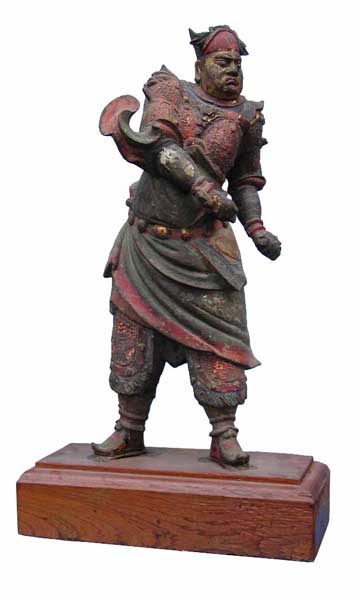
One of the stars of the Big Dipper
2026-04-15 11:51:31
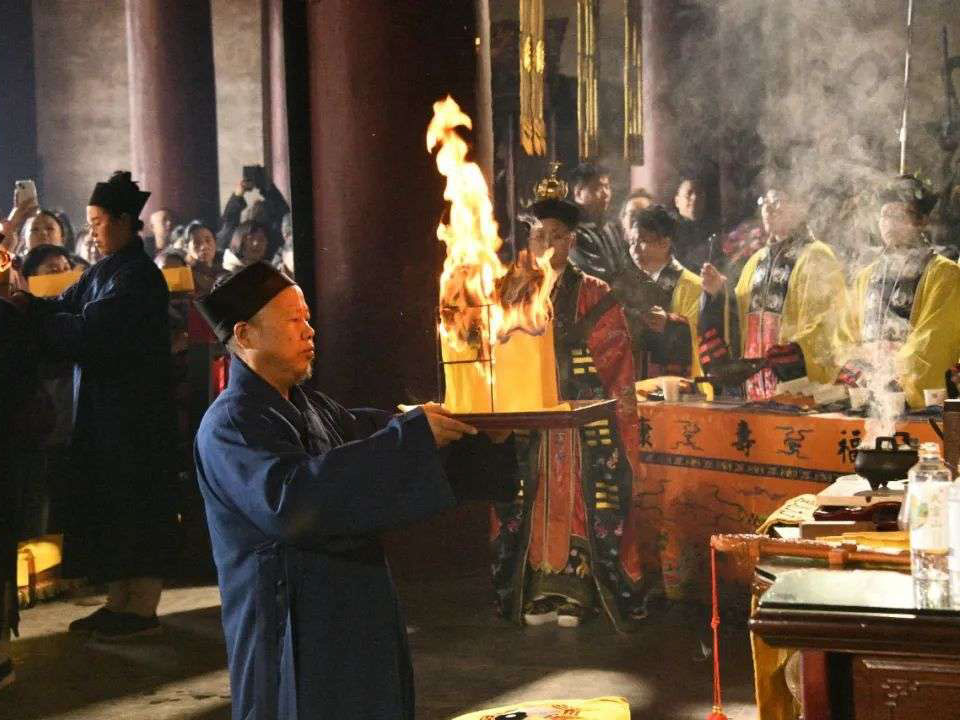
(1) The meaning of the ritual of fasting and Taoist ceremonies
2022-08-20 23:32:13
The original meaning of "zhai" was to be neat, harmonious an...
Yin GUI
2022-08-20 23:32:13
Chapter 27
2022-08-20 23:32:13
Chapter 72
2022-08-20 23:32:13
The couplet of the ancestral hall of the Wudang Mountain Temple
2022-08-20 23:32:13
Chapter 40
2022-08-20 23:32:13