


Chapter Eighteen
2022-08-20 23:32:13
The Great Way is abandoned, yet it is filled with benevolence and righteousness. Wisdom comes from ②, but there is great falsehood. When the six relatives are not in harmony, there is filial piety and kindness. When the country is in chaos, there are loyal ministers. When the great way is abandoned, there is a need to advocate benevolence and righteousness. When the phenomenon of intelligence and ingenuity emerged, deception and fraud became prevalent for a while. It is only when disputes arise within a family that filial piety and kindness can be demonstrated. Only when a country is in chaos can loyal ministers be revealed. [Note] 1. The Great Way: refers to the social and political system and order. 2. Wisdom: Clever and ingenious. 3. Six relatives: father and son, brothers, and husband and wife. 4. Filial piety and kindness: One book reads "Filial Son". [Quotation] This chapter can be understood from two aspects. The first is its direct content, which points out that due to the sovereign's loss of virtue, the great Way has been abandoned, and it is necessary to advocate benevolence and righteousness to reverse the decline. Laozi described various phenomena of the pathological society at that time. Second, it demonstrates the dialectical thought of opposites reinforcing each other. Laozi applied the dialectical thought to society, analyzing that there exists a relationship of unity in opposites between wisdom and hypocrisy, filial piety and kindness and family disputes, state chaos and loyal ministers, etc. When a country is well-governed and all relatives are harmonious, loyal ministers and filial sons cannot be prominently displayed. Only when the six relatives are not in harmony and the country is in chaos should filial piety and loyalty be advocated. This is also a relationship of mutual dependence. This means that the promotion and recognition of a certain virtue by society are precisely due to the fact that society is particularly lacking in that virtue. [Commentary] This chapter continues from the previous one, "Where there is insufficient trust, there is untrust," arguing that the benevolence and righteousness, the great hypocrisy, filial piety and kindness, and loyal ministers that emerged in society were all caused by the emperor's lack of virtue. In an age of supreme virtue, the great way prospers, and benevolence and righteousness are practiced within it. Everyone possesses benevolence and righteousness, so it is not obvious. Therefore, it is necessary to advocate benevolence and righteousness. When the Great Way was abandoned, people began to advocate benevolence and righteousness, attempting to reverse the decline with them. At this point, society had already become impure. Here, Laozi applied dialectics to social governance. He pointed out that benevolence and righteousness are contrary to the great Way, great hypocrisy is contrary to wisdom, filial piety and kindness are contrary to the discord among the six relatives, and loyal ministers are contrary to the chaos of the state. Laozi revealed the relationship of unity of opposites among them and expressed a rather rich dialectical thought.
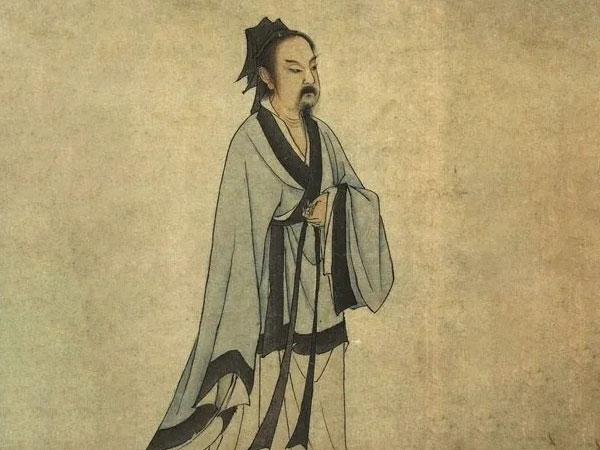
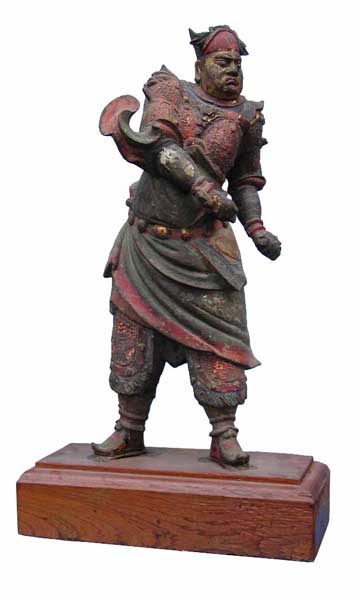
One of the stars of the Big Dipper
2026-04-15 11:51:31
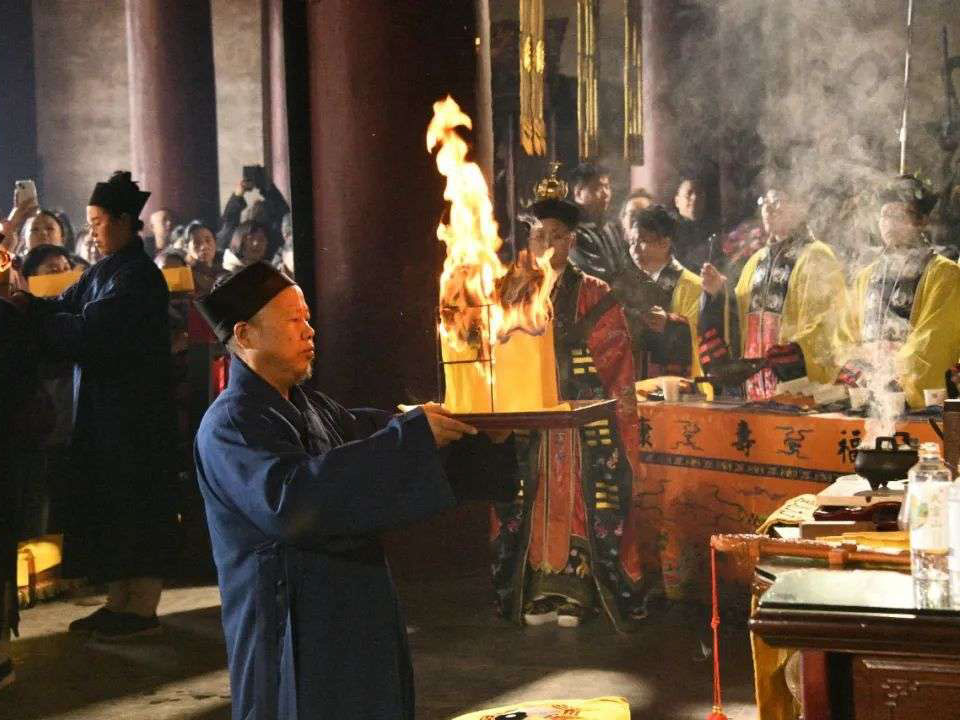
(1) The meaning of the ritual of fasting and Taoist ceremonies
2022-08-20 23:32:13
The original meaning of "zhai" was to be neat, harmonious an...
Yin GUI
2022-08-20 23:32:13
Chapter 27
2022-08-20 23:32:13
Chapter 72
2022-08-20 23:32:13
The couplet of the ancestral hall of the Wudang Mountain Temple
2022-08-20 23:32:13
Chapter 40
2022-08-20 23:32:13