


Chapter Thirteen
2022-08-20 23:32:13
Honor and disgrace are as terrifying as one's own; great danger is as precious as one's own body. What does it mean to be startled by both honor and disgrace? When one is favored, they are startled; when they are lost, they are also startled. This is called being startled by both favor and disgrace. What does it mean to be burdened with great harm? The reason why I have great patients is that I have a body. If I don't have a body, what troubles do I have? Therefore, it is precious to act as the world, and if one can entrust oneself to the world; Love for the world, if one can entrust the world. Both being favored and being insulted seem to be filled with terror, and one regards great troubles like honor and disgrace as precious as one's own life. What does it mean to feel panicked both when favored and when humiliated? To be favored is humble. To be favored brings great surprise, while to lose it is terrifying. This is called feeling frightened both when favored and when humiliated. What does it mean to value a major illness as one values one's own life? The reason why I have a serious illness is that I have a healthy body. If I had no body, what misfortune could I possibly encounter? Therefore, cherishing one's own body is for governing the world, and the world can be entrusted to him. Taking good care of one's own body is for governing the world, and the world can rely on him. [Note] ① Honor and disgrace: Honor and favor as well as insult. ② "Great harm is as precious as one's own body" : "Precious" means to value and attach importance to. Taking serious diseases seriously is as precious as one's own body. ③ Being favored is subordinate: Being favored is honorable and inferior. ④ And I have no body, what troubles do I have? This means that if I have no body, what great troubles can I have? ⑤ This sentence means that only by treating the world with a noble attitude can the world be entrusted to him. Only by serving the world with the attitude of loving oneself can one entrust the world to him. This chapter is about the issue of human dignity. Laozi emphasized the idea of "valuing the body" and expounded on the harm of honor and disgrace to the human body. Laozi believed that an ideal ruler should first and foremost "value himself" and refrain from acting recklessly. Only those who value their own lives can value the lives of all people in the world, and thus people can rest assured to entrust them with the heavy responsibility of governing the world and let them undertake the task of governing it. In the previous chapter, Laozi mentioned that the "sage" who "serves the stomach rather than the eyes" can "not change himself by favor, disgrace, honor, trouble or damage", and only then can he shoulder the heavy responsibility of the world. This chapter goes on to say, "Be startled by honor or disgrace." In his view, those who are favored take it as an honor. To avoid losing the honor, they are always fearful and fawning in front of the bestower. He believes that the damage to a person's dignity caused by "favor" and "disgrace" is no different. While being humiliated undoubtedly damages one's self-respect, how could being favored not also harm one's own personal dignity? Those who are favored always feel that being favored is an unexpected honor and thus worry about losing it, thus their personal dignity is invisibly damaged. If a person has never endured any humiliation or favor, then he can stand tall and proud before anyone, maintaining his complete and independent personality. [Commentary] The discussion in this chapter on the issue of "valuing the body" and human dignity roughly means that a "sage" does not change himself by external matters such as honor, disgrace, honor, or danger. This is a continuation of the previous chapter's statement that "the sage is regarded as the belly rather than the eyes." Only those who can truly achieve the state of "caring for the stomach rather than the eyes" and not be distracted by the honor or disgrace of the outside world have the ability to shoulder the heavy responsibility of governing the world. Wang Fuzhi made the following incisive elaboration on the main idea of this chapter. He said, "The common people embrace the world within themselves, while the most ordinary people are outside of the world." If one does not see those who embrace the world, will there be inevitable worries? To be startled when favored or humiliated is to take in all the people in the world, to take in the shock and thus slip away oneself. Great troubles lie in the world; embrace them and value them as much as your own. One's own body is also a source of harm, and the most precious harm is a heavy burden on one's own body. This is to bear the harm and shackle oneself. Only those who have no body will let their ears be their ears and not be heard by the world. Treat the eyes as they please and do not be regarded by the world. My eyes and ears are still, while the world's hearing and ears do not echo. The fear and trouble have vanished, and they have disappeared throughout the world. Therefore, the people do not fall apart when they return to their hometowns." (Wang Fuzhi: "The Derivation of Laozi") Most people attach great importance to the honor, disgrace, honor and misfortune of their own bodies. Even many people value external honor and disgrace far more than their own lives. In this life, it is inevitable to deal with fame, fortune, honor and disgrace, gains and losses. Many people take prosperity and fame as their highest ideals in life, with the aim of enjoying wealth and honor and blessing their descendants. In conclusion, people live for longevity, fame, position, goods and other things around them. It can be said that everyone needs fame, fortune and power. However, people's attitudes towards it vary depending on where it is placed. If you place it in a position more precious than life, you are making a huge mistake. Laozi, from the perspective of "valuing the body", believed that life is far more precious than fame, fortune, honor and favor. One should be quiet and have few desires, remaining unmoved by all sensual and material things. Only then can one be entrusted with the trust of the world and be entrusted with the life of the people. This attitude is basically correct.
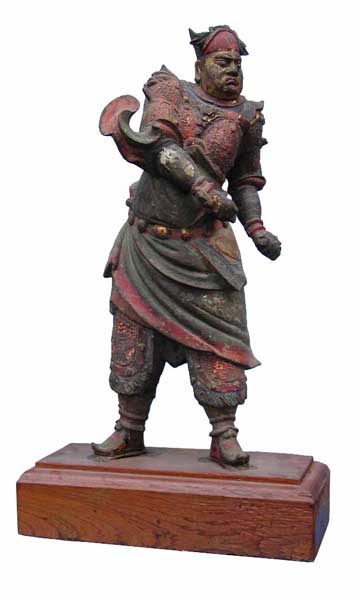
One of the stars of the Big Dipper
2026-04-15 11:51:31
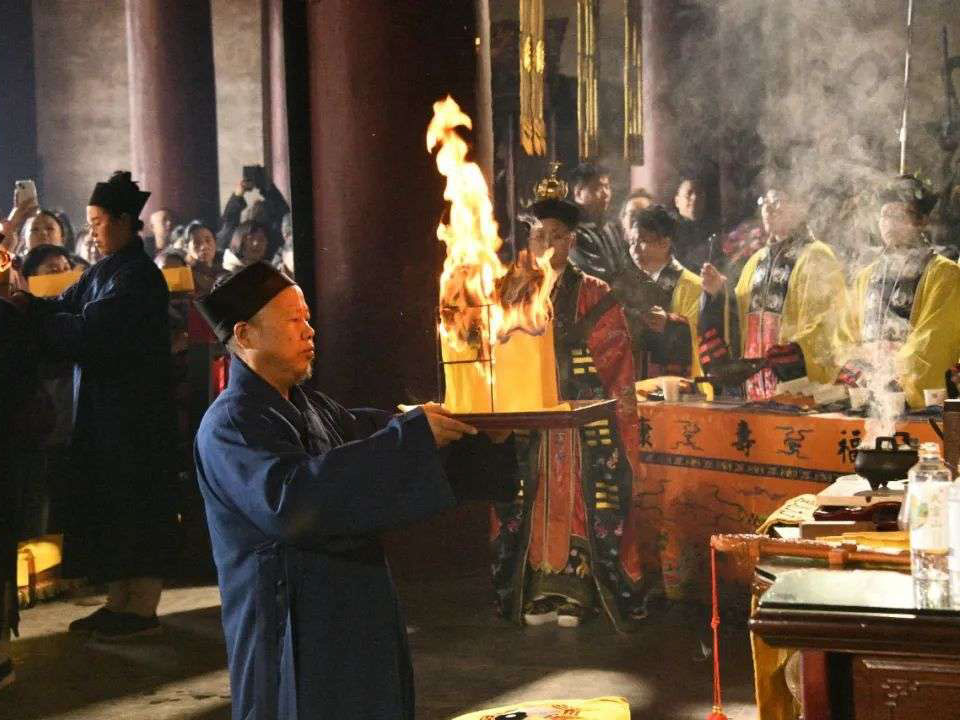
(1) The meaning of the ritual of fasting and Taoist ceremonies
2022-08-20 23:32:13
The original meaning of "zhai" was to be neat, harmonious an...
Yin GUI
2022-08-20 23:32:13
Chapter 27
2022-08-20 23:32:13
Chapter 72
2022-08-20 23:32:13
The couplet of the ancestral hall of the Wudang Mountain Temple
2022-08-20 23:32:13
The official couplet of the spirit temple in the ancient Wudang Mountain Temple
2022-08-20 23:32:13