


Chapter Fourteen
2022-08-20 23:32:13
To turn a blind eye is called "yi". To listen but not hear is called "xi". When one fails to succeed, it is called "micro ③". These three cannot be questioned, so they are mixed together as one. Above it is not the boundary, below it is not the ignorance, rope and string are indescribable, returning to nothingness. It is called the form without form, the image without substance, and it is called the vague and indistinct. When met, one cannot see the head; when followed, one cannot see the back. By adhering to the ancient way, one can control the present. To know the beginning of ancient times is called the record of the Dao. [Translation] It cannot be seen, so it is called "yi". Listen to it but you can't hear it. Call it "Xi". If you can't touch it, call it "micro". The shapes of these three are impossible to trace; they were originally integrated as one. It neither appears bright and clear on top; Beneath it does not appear dark and obscure, headless and aimless, continuous yet indescribable; all movements return to a state of formless and shapeless. This is the shape without form, the image without objects, this is "vagueness". Facing it, you can't see ahead of it; following it, you can't see behind it either. Grasp the already existing "Way" to control the concrete things that exist in reality. To be able to recognize and understand the origin of the universe is called recognizing the laws of the "Tao". [Note] ① "Yi" : colorless. ② Xi: Silence. ③ Micro: Intangible. The three terms "yi", "xi" and "wei" mentioned above are all used to describe the situation where people's senses fail to grasp the "Dao". These three nouns all mean subtle and unobtrusive. ④ Zhijie: "Jie" is pronounced as "ji" (Yangping), meaning to inquire, to probing, or to counter-question. "Zhi jie" means to be inconceivable. ⑤ One: In this chapter, one refers to "the Way". ⑥ jiao: The sound jiao (rising tone). It means innocence, clarity and brightness. ⑦ Darkness: Dark and gloomy. ⑧ Rope rope: Unclear, endless. ⑨ Nothingness: Things without shape, that is, "the Way". ⑩ Vague and indistinct: Somewhat present but not present, flickering and uncertain. ⑾ There is: refers to specific things. Ancient Beginnings: The primordial state of the universe, or the beginning of the "Tao". 13. Dao Ji: The governing principles of the "Dao", that is, the laws of the "Dao". [Quotation] This chapter describes the "Tao" body. In Chapters Six and Eight, specific images - valleys and water - are respectively used to symbolize the emptiness and weakness of the Tao. This chapter describes the nature of the "Tao" from an abstract perspective and discusses the application of its laws. Here, "Dao" is "One". In the previous chapters, the "Dao" mentioned by Laozi has two connotations. One refers to the entity of the material world, that is, the essence of the universe. The first refers to the universal laws governing the movement and change of the material world or real things. In fact, the two are interrelated. The "one" (i.e., "Dao") discussed in this chapter encompasses the two aspects of the "Dao" mentioned above. Laozi described the illusory and intangible nature of the "Tao", which is imperceptible, invisible, inaudible and intangible, yet it truly exists. It is what is called "the form without form, nothing without form". The "Tao" has its own laws of change and movement. Mastering these laws is the fundamental way to understand specific things. [Commentary] The "Tao" that transcends concrete things is fundamentally different from all things in the real world. It has no specific shape, cannot be seen, heard or touched. It exists boundless and without distinction between ancient and modern times, appearing and disappearing from time to time, and is hard to name. The "Tao" is not an ordinary thing in the conventional sense; it is something that has no visible form. Here, Laozi explains it with some concepts of the empirical world and then negates them one by one, highlighting the profound and mysterious aspects of the "Tao". However, the universal laws of the "Tao" have governed the specific things in the real world since ancient times. To understand and grasp the individual things that exist in reality, it is necessary to grasp the movement laws of the "Tao" and understand its universal principles. The ideal "sage" can master the laws that have governed the movement and change of the material world since ancient times and can control the existence of reality. This is because he has comprehended the "Dao" nature. The next chapter immediately elaborates on this.
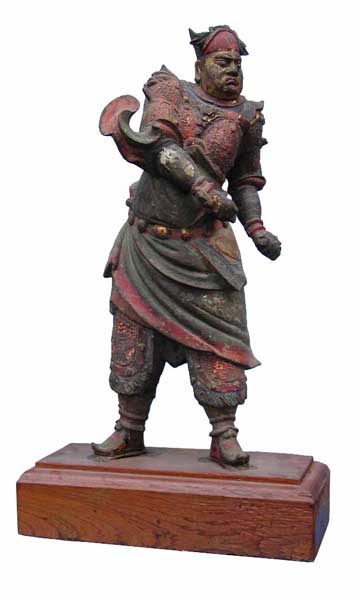
One of the stars of the Big Dipper
2026-04-15 11:51:31
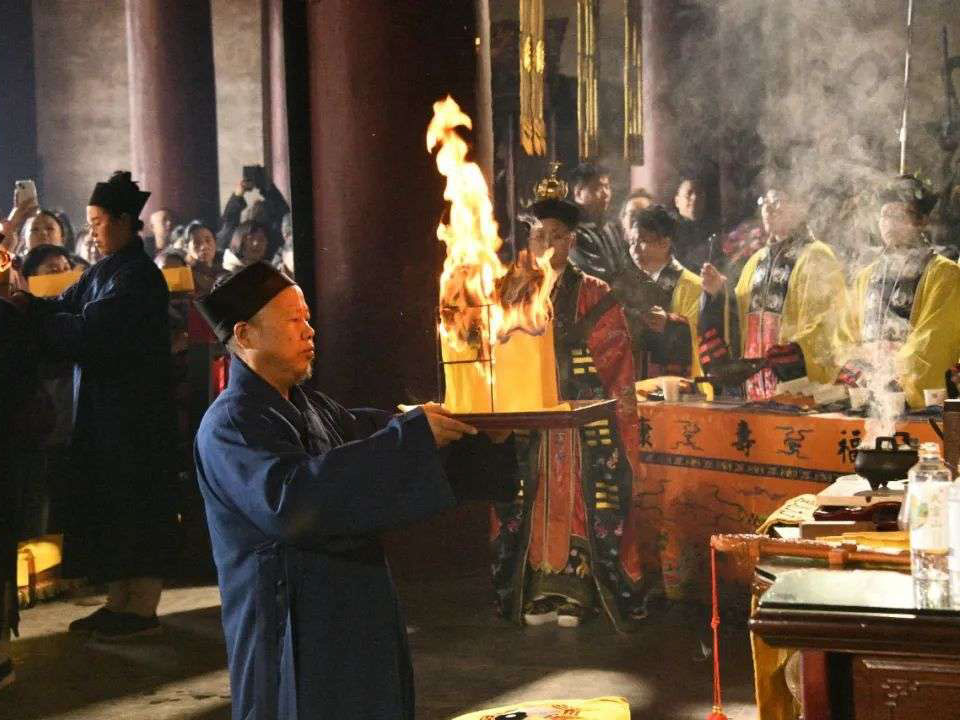
(1) The meaning of the ritual of fasting and Taoist ceremonies
2022-08-20 23:32:13
The original meaning of "zhai" was to be neat, harmonious an...
Yin GUI
2022-08-20 23:32:13
Chapter 27
2022-08-20 23:32:13
Chapter 72
2022-08-20 23:32:13
The couplet of the ancestral hall of the Wudang Mountain Temple
2022-08-20 23:32:13
The official couplet of the spirit temple in the ancient Wudang Mountain Temple
2022-08-20 23:32:13