


Chapter Nine
2022-08-20 23:32:13
To hold on to something that is abundant is not as good as to oneself. Keep it sharp and not hold it for long. With a house full of gold and jade, no one can keep it. Arrogance in wealth and honor will bring about one's own downfall. Retiring after achieving success is the way of heaven. It is better to stop at the right time than to cling to fullness. Showing one's sharpness is hard to sustain for long. A house full of gold and jade cannot be kept. If wealth and honor reach the point of arrogance, it is oneself who has sown the seeds of disaster. When a task is accomplished successfully, one should be restrained and restrained. This is in line with the natural law. [Note] ① Hold and hold: Hold, to hold by hand, or to hold a stick. This sentence means to hold onto abundance and be self-satisfied and arrogant. ② Not as good as oneself: "Yi" means to stop. It's better to know when to stop. ③ Sharpen it: Grind ironware to be both sharp and sharp. "Chui" means to strike or to pound. ④ Long-term preservation: Cannot be preserved for a long time. ⑤ Fault: Negligence, disaster. ⑥ Retiring after achieving success and fame: After attaining success and fame, one should no longer hold onto their position but should step down at the right time. "Retreating" does not mean retiring to the mountains and forests, but rather refraining from seeking credit or position. ⑦ The Way of Heaven: Refers to the laws of nature. This chapter directly discusses the way of being a person for ordinary people. The main idea is to leave room for maneuver, not to go too far in doing things, and not to be carried away by victory. Laozi believed that no matter what one does, one should not overdo it but should stop at the right time. Being overly assertive, being arrogant when rich and powerful, and being greedy for fame and position are all manifestations of overdoing and are bound to bring disaster. When ordinary people encounter fame and fortune, no one can help but be intoxicated and yearn for them, and no one can help but flock to them. Here, Laozi pointed out the harm of knowing how to advance but not retreat, and being good at competing but not at giving way, hoping that people would grasp the right degree and know when to stop. The main idea of this chapter is to write about "abundance". "Ying" means overflowing or excessive. Complacency and arrogance are both manifestations of "abundance". The result of holding onto "abundance" will inevitably lead to the disaster of downfall. Therefore, Laozi earnestly admonished people not to be complacent. After achieving fame and fortune, one should not be complacent when retreating, which is the way to long-term protection. [Commentary] The key points discussed in this chapter are "profit" and "retirement after achieving success". Those who are greedy for power, position and fortune often become more and more demanding. Those who are arrogant because of their talents always show off their sharpness and brilliance, dazzling the eyes. These are things that should serve as a warning. Otherwise, being rich and powerful but arrogant will bring disaster upon oneself. For ordinary people, establishing fame and fortune is quite difficult, but how to deal with it after achieving success and fame is even more challenging. Laozi advised people that when they achieve success, they should not rest on their laurels; when they are at the height of their power, they should retire bravely. As a result, they can enjoy a long life. However, some people are insatiable, take credit for themselves, and lose themselves, only to end up with ruin and disgrace. For instance, Li Si, the prime minister of the Qin State, was like this. Li Si held an official position in the State of Qin and had already reached the position of prime minister. He could be said to have achieved both wealth and honor, and his power was immense and unrivaled. However, in the end, he became a prisoner. When he was about to be executed, he said to his son, "If I wish to lead the yellow dog out of the east gate of Shangcai again and chase the cunning rabbit, how could I possibly get it?" Not only was he unable to become the prime minister, but he also lost the chance to be a commoner and go hunting with his son. What a typical example this is! However, for ordinary people, it is unlikely that they will understand the true meaning of "retiring after achieving success" if they have not suffered a decline in reputation. As ordinary people, one must be indifferent to fame, fortune and status in order to have the possibility of "retiring after achieving success". The development of things is inherently a transformation towards its opposite under certain conditions. In the history of ancient and modern times, both at home and abroad, how many people have remained prosperous and enduring? "Achieving success and fame" is undoubtedly a good thing, but it also contains factors that can lead to disaster. Laozi had already grasped the principles of dialectics and correctly pointed out the mutual transformation relationship between advance and retreat, honor and disgrace, positive and negative, etc. Otherwise, disaster would befall him. Therefore, he advised people to stop as soon as possible and to know when to stop. After doing things well, one should not be greedy for power, position, fame and fortune, nor should one be idle in the position. Instead, one should restrain one's desires and conceal one's motivation. The renowned literary figure of the Song Dynasty, Ouyang Xiu, wrote such a line: "After achieving success, I retire with courage; I bid farewell to honor and disgrace, and return with white hair and singing and dancing" (Yujia Ao), which precisely embodies the spirit of "retiring after achieving success".
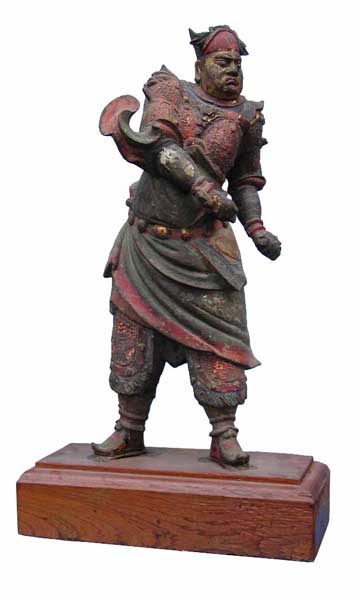
One of the stars of the Big Dipper
2026-04-15 11:51:31
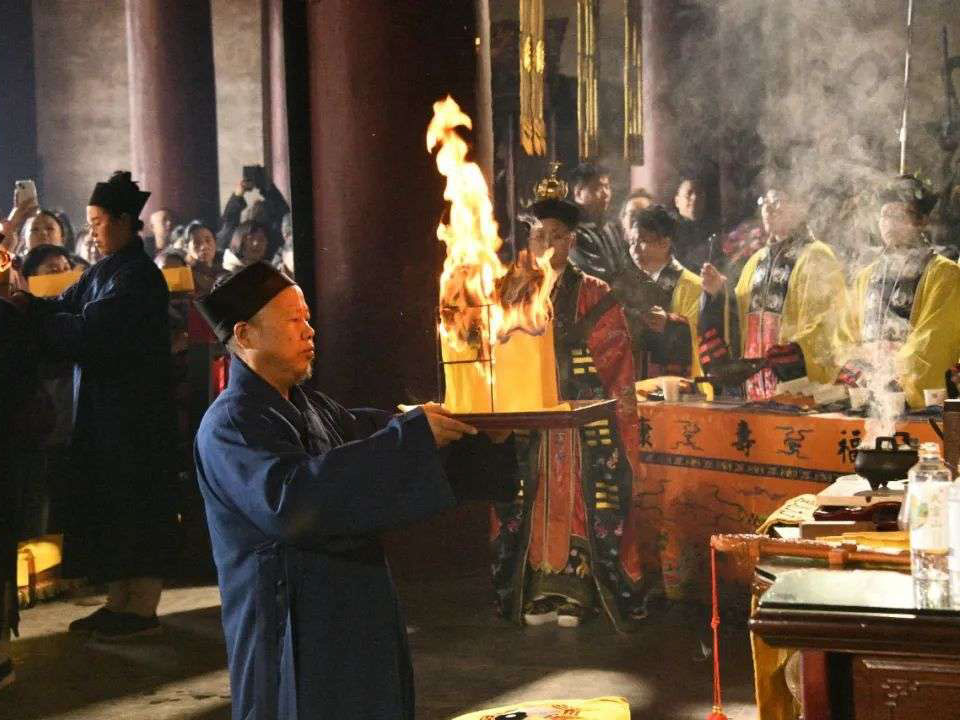
(1) The meaning of the ritual of fasting and Taoist ceremonies
2022-08-20 23:32:13
The original meaning of "zhai" was to be neat, harmonious an...
Yin GUI
2022-08-20 23:32:13
Chapter 27
2022-08-20 23:32:13
Chapter 72
2022-08-20 23:32:13
The couplet of the ancestral hall of the Wudang Mountain Temple
2022-08-20 23:32:13
Wudang Taoist Baohe Association
2022-08-20 23:32:13