


(7) Cultivation and Daily Life
2022-08-20 23:32:13
The level of cultivation achievements is closely related to daily life. Therefore, in daily life, how to arrange oneself to facilitate cultivation is an important aspect that deserves attention. (1) The quietness of the environment: When engaging in cultivation, one should first choose the environment. It is best to be among mountains, seas, forests and springs, and the second best is in the suburbs and open fields. It is not suitable if there are noisy and noisy places in the busy area. Such as the sounds of people, vehicles, vendors' cries, the roar of machines, the sounds of celebration gongs and drums, the sounds of loudspeakers and horns, the singing of traditional operas, and the crying of children, etc., should all be avoided. This way, the root of the ear is kept clean and the auditory nerve is not stimulated. (2) Cleanliness of the air The surrounding air should be very fresh, with a natural smell being preferred. Avoid all foul odors, such as rotten smell, moldy smell, gasoline smell, kitchen smell, paint smell, disinfectant water smell, strong cosmetic smell, pesticide smell, etc., as they are all hindering. The furniture inside the house should be as simple as possible. Placing too many things can also easily give off unpleasant odors. Where plants are lush, the air is beneficial to people. This makes the nose very quiet and the olfactory nerve not stimulated. (3) The brightness and darkness of light Regarding indoor lighting, ancient cultivators emphasized the harmony of Yin and Yang, avoiding excessive intensity. Therefore, neither too bright nor too dark light is appropriate. When I start to do my work, for the sake of entering a state of tranquility, I'm afraid it might be too bright, not too dark. Therefore, indoor painting, plastering and wallpaper. Curtains and the like should all be in light colors and not bright red or green. The lighting should also not be too bright. This way, the eye root remains calm and the optic nerve is not stimulated. (4) The intensity of food seasoning should not be too strong. All flavors should be milder than usual. It's extremely delicious, but not suitable either. Boiling or steaming should be done more often, while braising, frying or deep-frying should be done less. It's best to quit smoking and drinking. This way, the base of the tongue remains calm and the taste nerves are not stimulated. (5) The cold or warm climate conditions have a significant impact on those who do work. When it is too hot or too cold, or when the weather is musty and humid with heavy air, the work done will be difficult to take effect. When there is fierce wind, heavy rain, thunder and lightning, work should be stopped. If there is a stove indoors, do not close the doors and Windows too tightly to allow the outdoor air to circulate in, but also prevent the cold wind from blowing directly on your body. (6) Nutrition of Food: Various foods containing protein, although beneficial to the body, should also be considered for digestion. Otherwise, eating too much can be harmful instead. All other nutritional supplements should also be properly combined. Unhygienic and fragmented food should also be strictly avoided. Do not indulge in momentary cravings that could harm your health. (7) Isolation of the outer edge During the special working period, the outer edge should be isolated. However, one should also make arrangements in advance for family life and personal affairs to avoid last-minute chaos. During the period of doing work, one should reduce meetings with relatives and friends, and try to have less contact with things outside. It is not advisable to answer too many phone calls, write too many letters or watch too much TV. In this way, one can keep a calm mind, keep the nerves in a state of tranquility all the time, and it will be easier to get started with the practice. (8) It's best not to read books that require a lot of thinking. Books with complex algorithms and many numerals are even less appealing. If reading is used for entertainment, one can freely read the works of predecessors on cultivation, travelogues about mountains and waters, notes and novels, or the travel articles and health preservation books of modern people. When doing the practice, the mind is placed on the experience of the practice method. When going out for a walk, one's thoughts are devoted to the surrounding scenery. Every time I have a meal, my thoughts are devoted to the aroma of the food. When doing dynamic exercises like Tai Chi, one's mind is focused on the movement of the limbs. (9) Time for Practice: It is best to do the practice at dawn every morning. You can do it freely during your spare time. If one practices sitting meditation, it should be done for at least half an hour and no more than two hours (for the average person). If one practices lying down exercises, there is no limit to the duration. After having a full meal and before digestion, one should not sit still or fall asleep immediately. Instead, one should allow the body to move slightly and wait for half an hour before doing any exercise. (10) Posture of the body When doing work, regardless of the posture, one should keep the head and spine straight and avoid putting pressure on the five internal organs. Also, try to relax your whole body as much as possible. Only in this way can you achieve a completely quiet state. The above ten aspects, if practiced, can enhance one's cultivation. Even if one is not specialized in cultivation, if one can persist in doing it, it will surely have the effect of curing diseases, strengthening the body and prolonging life.
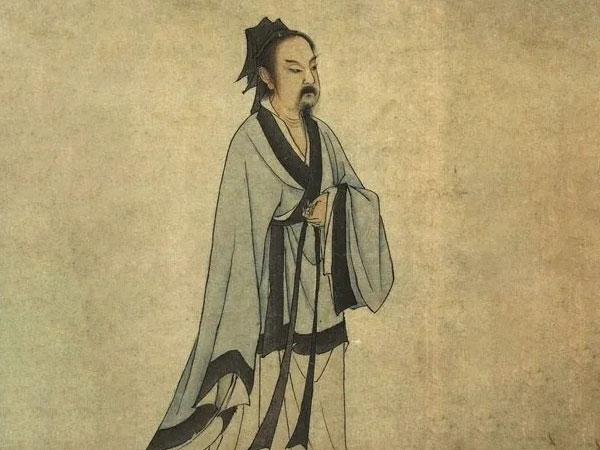
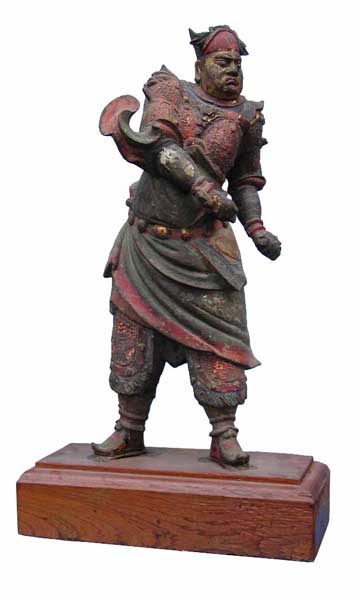
One of the stars of the Big Dipper
2026-04-15 11:51:31
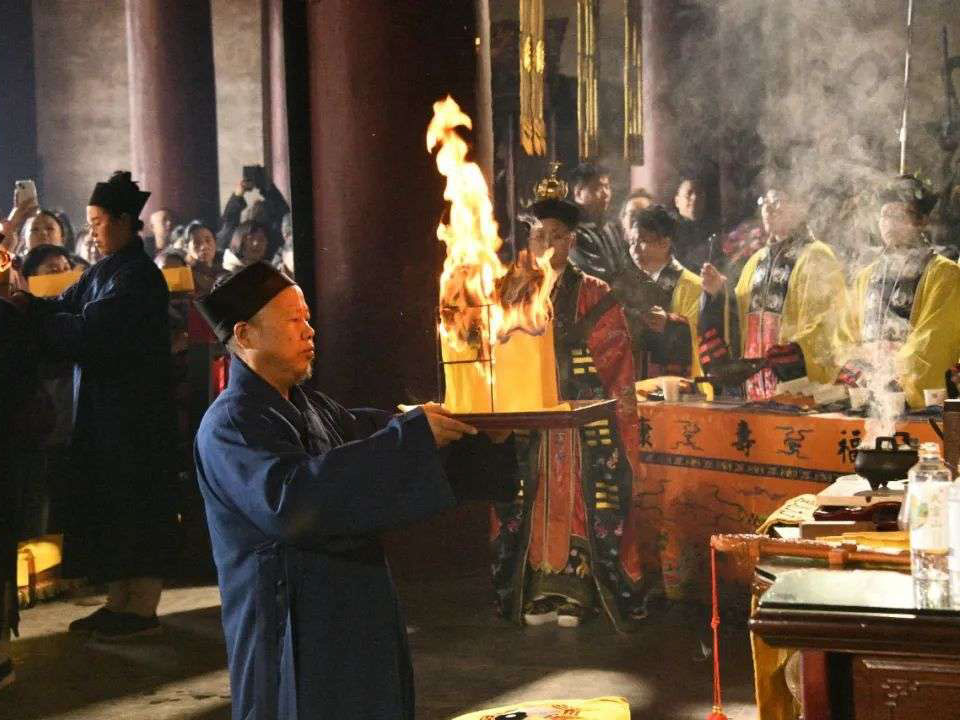
(1) The meaning of the ritual of fasting and Taoist ceremonies
2022-08-20 23:32:13
The original meaning of "zhai" was to be neat, harmonious an...
Yin GUI
2022-08-20 23:32:13
Chapter 27
2022-08-20 23:32:13
Chapter 72
2022-08-20 23:32:13
The couplet of the ancestral hall of the Wudang Mountain Temple
2022-08-20 23:32:13
The Wudang Taoist couplet congratulating the Rain
2022-08-20 23:32:13