


(3) Taoist Scriptures and the Thoughts of Various Schools
2022-08-20 23:32:13
(1) The "Daoist Studies" in the Daoist Classics and the Huang-Lao Daoist School of Thought The Daoist School of thought is also known as the Huang-Lao School of Thought. The origin of Taoism can be traced back to historians. It is recorded that historians were first established during the reign of the Yellow Emperor, so Taoism can be traced back to the Yellow Emperor. The publication of the book "Laozi" marked the formal formation of the Daoist school. The Huang-Lao theory also encompasses the ideas of the "Immortal School" and the "Yin-Yang School". In the early years of the Western Han Dynasty, the country was governed by the serene and peaceful methods of Huang-Lao, and the Huang-Lao school of thought flourished as a governing doctrine. During the reign of Emperor Wu of the Han Dynasty, Confucianism was held in the highest esteem. The studies of Huang-Laozi were alienated from politics. Huang-laozi scholars gradually combined with alchemists of the Fangxian Dao and turned to the research of Taoist academia and the arts of immortals. By the Eastern Han Dynasty, the study of Huang-Lao had transformed into the worship of Huang-Lao. Emperor Huan devoted himself to the "Huang-Lao Way" and offered large-scale sacrifices to Laozi. At this time, Laozi was further deified and became the leader of the Huang-Lao Sect, who integrated the Dao, the divine and the human. The rudimentary forms of Taoism, Taiping Taoism and Wudoumi Taoism, which emerged at the end of the Eastern Han Dynasty, were both formed by the spread of Huang-Lao Taoism. Taoism regards the Daoist school represented by Laozi as its mother, and "Laozi's Way" has become the highest belief of Taoism. Thus, the belief in "Dao" and "Shen" became two intersecting forms of Taoist faith. In the history of Taoism, the inheritance of Taoism by Taoism has been ongoing. All Taoist classics have been included in the category of Taoist scriptures. And works of commentaries on Taoist classics such as the "Lao" and "Zhuang" from past dynasties were also collected. In this sense, it can be said that Taoist culture is a mainstream in the development process of Taoist culture, and the "Taoist studies" classics of Taoism originated from this. (2) The Relationship between the "Teaching" of Taoist Scriptures and Confucianism and Buddhism: When Taoism was initially completing its own religious rituals, in addition to following the primitive religious forms passed down from ancient times, it also had a relationship of mutual integration and reference with Confucianism, which was attempting to religialize, and Buddhism, which was first introduced to China. Confucianism and Taoism were both schools of thought that emerged after the differentiation of ancient Chinese culture during the Spring and Autumn and Warring States Periods. Because they both originate from the same source, there are similarities in their thoughts and rituals. First, it is reflected in the "I Ching". Confucianism reveres it as the "I Ching", and the theoretical framework of Taoism's internal and external alchemy studies mostly originated from it. Therefore, many works related to the "I Ching" are included in the category of Daoist classics. Secondly, in terms of sacrificial rituals, the two families are similar. Confucianism advocates "establishing religions based on the way of the divine", and Taoist theology and teaching also take this as their fundamental tone. Many theological works in the Taoist scriptures and the moral regulations derived from them all originated from this. When Buddhism first came to China, it deliberately aligned itself with Taoism and Taoism, and was the first to gain popularity by relying on Taoist magic. Buddhism mainly absorbed the doctrines and Taoist techniques of Taoism. For instance, the monk Tan Jia of the Northern Wei Dynasty once learned the "Art of immortality" from the Taoist immortal Tao Hongjing. The establishment of Chan Buddhism thought in the Tang Dynasty was also influenced by the social background of the royal family's promotion of Taoism and the prevalence of Laozi thought at that time. The absorption and reference of Buddhism by Taoism are mainly reflected in certain religious rituals and doctrines, such as precepts, scriptures, and the theory of hell. Dao. After Confucianism and Buddhism each formed complete systems in China, they turned to vigorously advocate the ideological trend of "the unity of the three religions", promoting the great integration of ancient Chinese culture. All these contents are manifested in the Taoist scriptures.
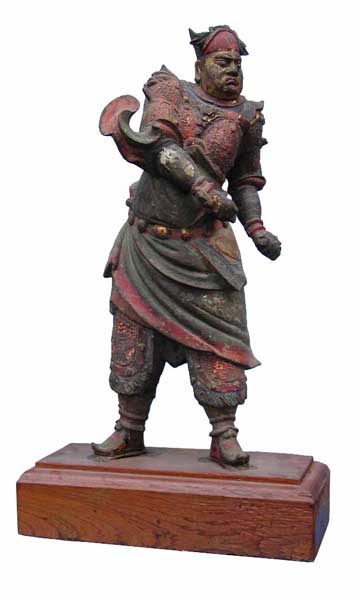
One of the stars of the Big Dipper
2026-04-15 11:51:31
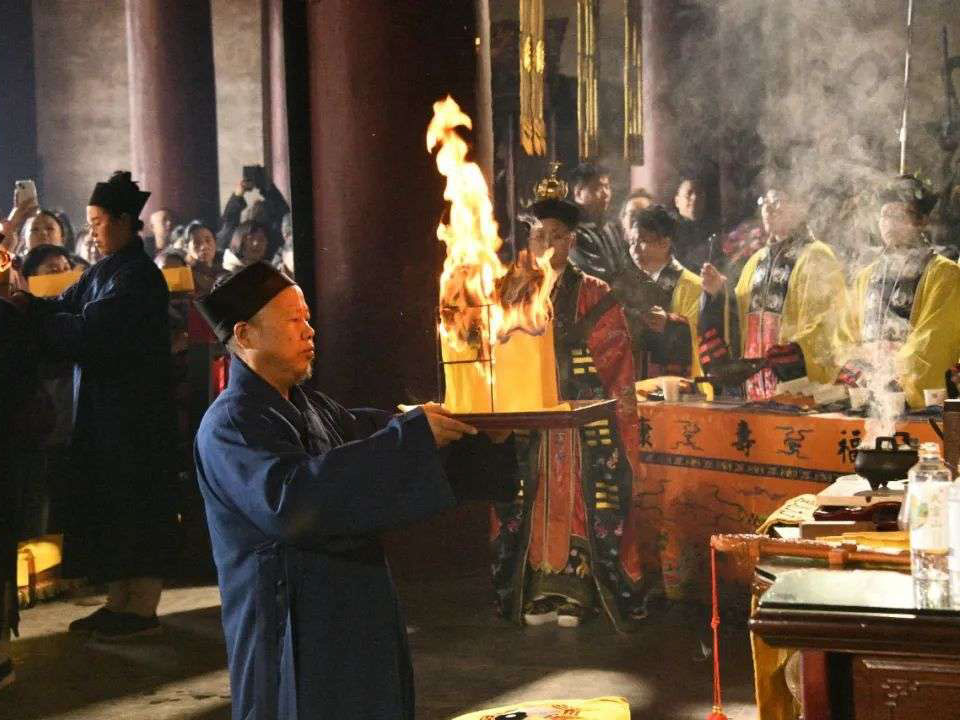
(1) The meaning of the ritual of fasting and Taoist ceremonies
2022-08-20 23:32:13
The original meaning of "zhai" was to be neat, harmonious an...
Yin GUI
2022-08-20 23:32:13
Chapter 27
2022-08-20 23:32:13
Chapter 72
2022-08-20 23:32:13
The couplet of the ancestral hall of the Wudang Mountain Temple
2022-08-20 23:32:13
Chapter 25
2022-08-20 23:32:13