


(2) Taoist Scriptures and Beliefs in Immortals
2022-08-20 23:32:13
(1) The "Theology" of Taoist Scriptures and Primitive Religions In ancient Chinese society, primitive religions in the form of nature worship and the worship of gods and ghosts were initially popular, which laid the foundation for the emergence of Taoism. Nature worship encompasses the deification and worship of various natural objects in the heavens and on the earth, thereby gradually establishing a celestial deity system centered on God. At that time, people believed that there was a spirit after death. Besides paying respects to their ancestors, they also worshipped the leaders, heroes and sages of the primitive tribes. The celestial deities, earthly sects and human-ghost beliefs held by primitive religions became the direct source of polytheistic beliefs in Taoism. At the same time, in order to communicate with ghosts and gods, sorcerers and witchcraft emerged. The activities they engaged in, such as prayer, inviting deities, dream interpretation, healing diseases, making wishes, and talismans, became the original sources of Taoist alchemy. This made Taoist theology inseparable from Chinese folk culture. Later Taoist scriptures inevitably incorporated a large number of elements of ancient witchcraft and sacrificial rituals. (2) The "Immortal Studies" in Taoist scriptures and the belief in immortals The theory of immortals has a long history in China. In ancient times, there were many legends about immortal immortals, such as Guangchengzi who practiced for a thousand or two hundred years without losing his physical form, and Peng Zushou who lived for eight hundred times. As early as in the ancient books of the Pre-Qin period, there were many legends and records about immortals, fairyland and Taoist cultivation. They were particularly common in Taoist literature, such as "Laozi", "Zhuangzi", "Liezi", "Li SAO" and so on. The belief in immortality among immortals and the pursuit of faith in immortals have given rise to many experts who study and promote the arts of immortals. They claim to have created immortal prescriptions, elixirs and secret arts for immortality. These methods are collectively referred to as alchemy. Historically, their activities have been called "Alchemy and Immortality Dao". After the two successive peaks of seeking immortals initiated by Qin Shi Huang and Emperor Wu of Han, the concept of immortals became even more deeply rooted in people's hearts and became an integral part of the Chinese nation's way of thinking. The theory of immortals and alchemy believed in by Fangxian Dao were inherited by later Taoism, thus making the belief in immortals run through Taoism and becoming the most distinctive feature that sets Taoism apart from other religions. However, Taoism did not completely inherit all the martial arts of the world. Instead, it selectively absorbed and transformed them, and further developed and improved them on this basis. Eventually, it formed a complete system of the "Three Yuan Elixir Method", which Mr. Chen Yingning collectively referred to as "other Studies". The origin and development of other learning cultures in Taoist scriptures, namely the ancient Chinese belief in immortals and alchemy.
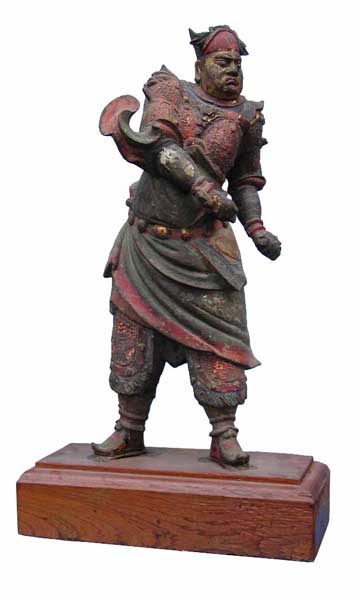
One of the stars of the Big Dipper
2026-04-15 11:51:31
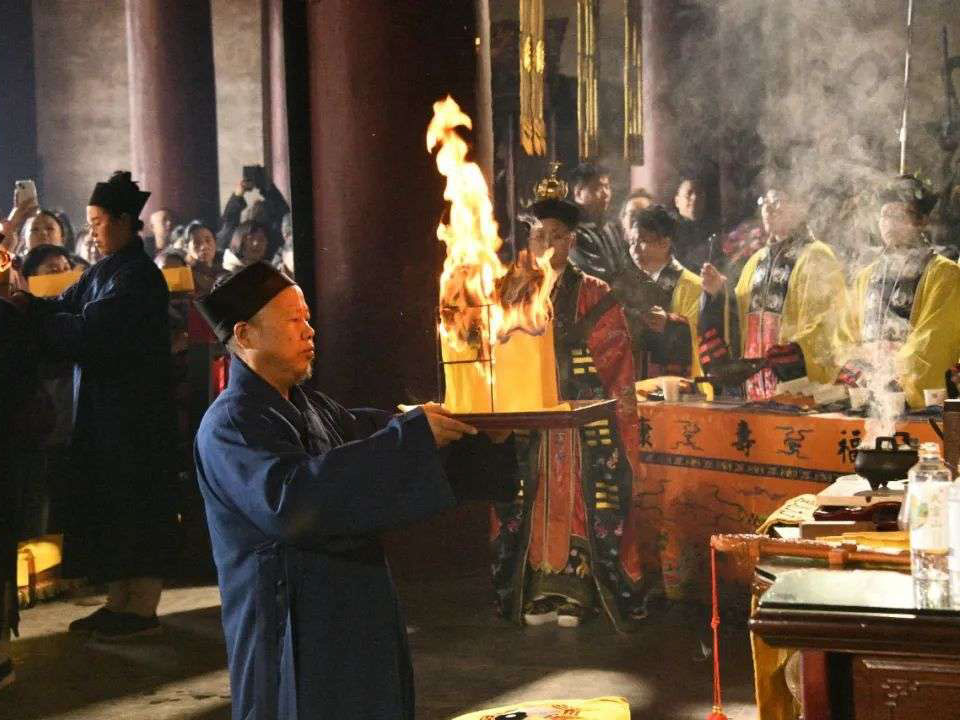
(1) The meaning of the ritual of fasting and Taoist ceremonies
2022-08-20 23:32:13
The original meaning of "zhai" was to be neat, harmonious an...
Yin GUI
2022-08-20 23:32:13
Chapter 27
2022-08-20 23:32:13
Chapter 72
2022-08-20 23:32:13
The couplet of the ancestral hall of the Wudang Mountain Temple
2022-08-20 23:32:13
Chapter 25
2022-08-20 23:32:13