


(1) The formation, function and regulation of Taoist temples
2022-08-20 23:32:13
"Gong Guan" is a collective term for "gong" and "guan". It generally refers to the ancestral halls of Taoism for cultivation and worship of deities. In fact, Taoist temples and monasteries are the branches of Taoism. After the birth of any religion, in order to establish, cultivate and develop the religion, it is necessary to vigorously build temples and monasteries to have a support. Therefore, Taoist temples and monasteries are also the inevitable place for promoting Taoism. The palace was originally the residence of ancient Kings and Dukes. "Guan" refers to the places on both sides of the city gate where one can overlook from the tall buildings. After the rise of Taoism, the earliest ones to appear were Zhi, Jing and Lu. Taoist activity sites such as immortal halls. During the reign of Emperor Wu of the Northern Zhou Dynasty, the temple was changed to a Taoist temple. The Tang rulers revered Laozi as their ancestral master and accompanied him with portraits of the five emperors: Emperor Gaozu, Emperor Taizong, Emperor Gaozong, Emperor Zhongzong and Emperor Ruizong. As it was a royal temple, it was called "Gong". Later, all Taoist temples built by imperial decree were called "Certain" gong. Later, Taoists affectionately referred to them as Taoist temples and Taoist palaces. According to the Taoist scriptures, the earliest Taoist temple was the Lou Temple in Zhouzhi County, Shaanxi Province today. Taoist temples have endured numerous wars and fires, falling into disrepair and experiencing rise and fall. As of today, according to the statistics of the Academic Affairs Office of the China Taoist Association, there are already over 1,500 Taoist temples and monasteries officially approved by the religious departments of county-level and above governments across the country. Especially after the Third Plenary Session of the Eleventh Central Committee of the Communist Party of China, most Taoist temples have been able to implement policies and carry out active and effective protection and maintenance. Quanzhen Taoist priests were able to make the temple their home and live within it. The main religious activity sites of the Zhengyi Sect are also basically centered around palaces and temples. Taoist temples are increasingly playing their important role. The new era also endows these temples with new vitality, new content and new value. The architectural form of Taoist temples has its specific regulations. Generally, there is a mountain gate and a ornamental tablet in the front. Inside the mountain gate, there are several courtyards, each with a main hall and a side hall, mainly enshrines the King Lingguan, the Jade Emperor, the Four Sovereigns, the Three Pure Ones and other deities of Taoism. The daily practices of Taoism, such as fasting, observing, opening altars to spread precepts, and celebrating the birthdays of immortals, are mostly carried out within palaces and temples. The cultural content contained in Taoist temples is extremely rich and extensive. It is profound and difficult to introduce it perfectly within this chapter.
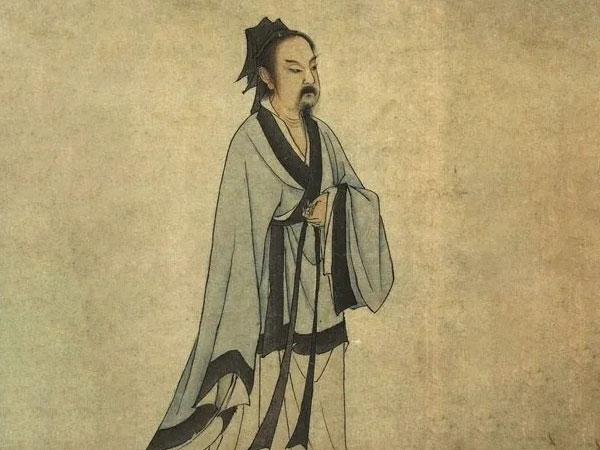
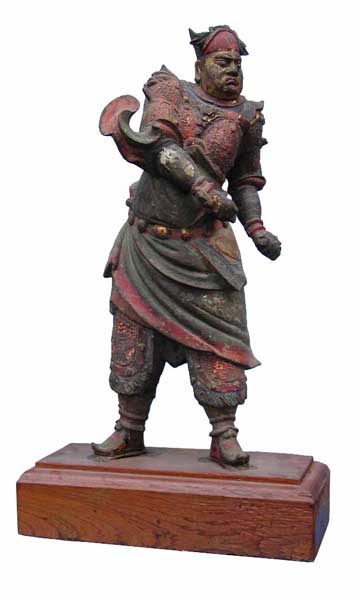
One of the stars of the Big Dipper
2026-04-15 11:51:31
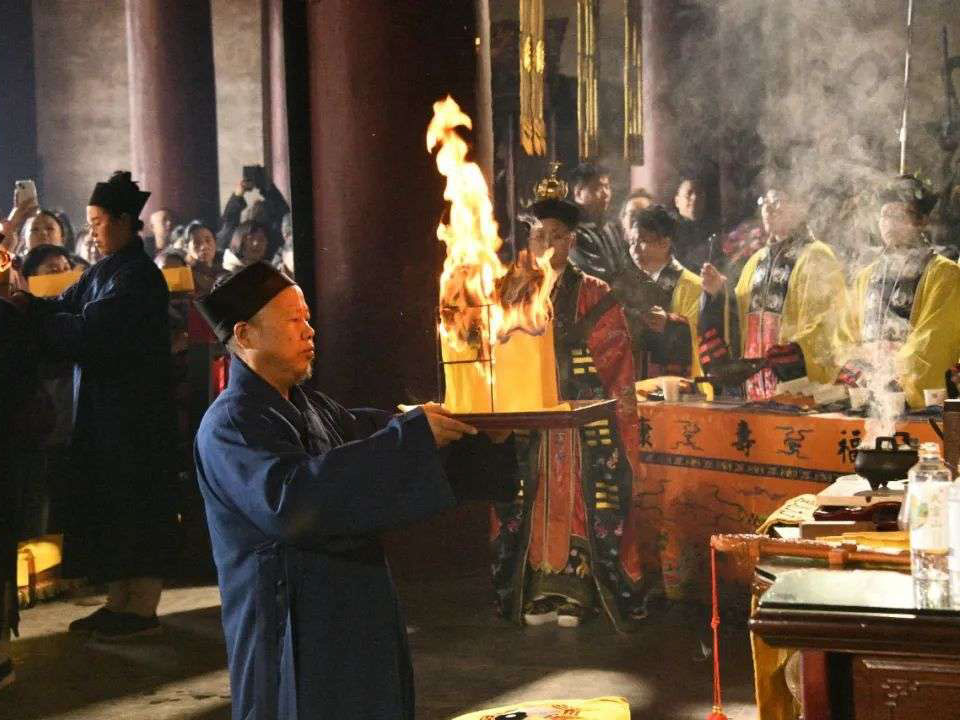
(1) The meaning of the ritual of fasting and Taoist ceremonies
2022-08-20 23:32:13
The original meaning of "zhai" was to be neat, harmonious an...
Yin GUI
2022-08-20 23:32:13
Chapter 27
2022-08-20 23:32:13
Chapter 72
2022-08-20 23:32:13
The couplet of the ancestral hall of the Wudang Mountain Temple
2022-08-20 23:32:13
Chapter 25
2022-08-20 23:32:13