


Yan Jiakang
2022-08-20 23:32:13
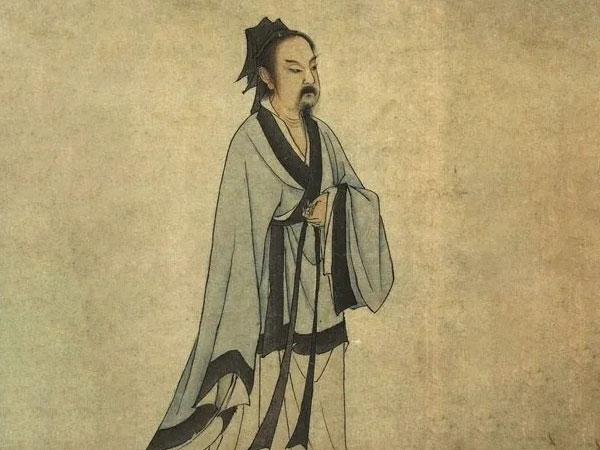
Yan Jiakang was a high-ranking Taoist priest on Wudang Mountain in the middle of the Qing Dynasty. According to the "Wudang Secret Mirror" (written by Yan Jiakang, the original copy now preserved by Hu Shaohe in Liaoning Province), Yan was a descendant of the Qing court minister Yan Mou and was born on the 15th day of the first lunar month in the 34th year of the reign of Emperor Kangxi (1695 AD). Since childhood, he was exceptionally intelligent and grew up to be erudite and talented, thus being envied by the court official Nian Geng Yao. To avoid his own life, Yan Jiakang left the capital at the age of thirty and traveled far and wide. Later, he went to Yuanhe Temple on Wudang Mountain in Hubei Province, where he secretly took his name and surname to become a monk and took the Taoist name Ganxuan. After Yan Jiakang became a monk, he sought out masters and made friends in various temples and monasteries on Wudang Mountain. Later, he saw a Taoist practicing Wudang Tai Chi at the Sanqing Sect in Nan Yan Palace and thus became his disciple. The inheritance of this school: Wudang Tai Chi originated from its founding master Zhang Sanfeng. The Patriarch Sanfeng originally compiled the twelve forms of Wuji Quan and the eight methods of Taihe Quan on Wudang Mountain. Later, he created the Sixteen forms of Tai Chi Chuan and finally the thirty-six forms of Wudang Tai Chi. This fist was passed down to the third-generation disciple, Qin Feng, the Immortal Shangbao of Nan Yan Palace, who expanded the 36 forms by 18, making a total of 54 forms. The fifth generation of the Nanyan Palace Tianli Immortal's genealogy was passed down, with an additional twenty forms added, making a total of seventy-four forms. The sixth generation of the Upper Qing Dynasty of Wudang, Qian Qiang, the immortal Guanzhixuan, added another fourteen forms, making a total of eighty-eight forms. The seventh-generation Xuanwu Immortal Chen Jingru of the Wudang Yuxu Palace, because Chen Yuan had previously practiced the Five Forms and the Eight Trigrams, specially integrated the Five Forms and the Eight Trigrams into Tai Chi. He took the principles of heaven, earth and man, and added 20 more forms on the basis of the 88 forms, making a total of 108 forms. In respect of the ancestors, this martial art is called Sanfeng Tai Chi. It is also recorded that Wudang Tai Chi is one of the authentic martial arts systems of the Three Pure Ones Sect in Wudang. Throughout history, it has only been passed down in the Nan Yan Palace and is not allowed to leave the mountain. With the aim of health preservation, it does not seek the basic skills of martial arts. Yan Jiakang then stayed at Nan Yan to learn martial arts. Because this martial art was purely taught by personal example and passed down orally, it has never been recorded in writing. In order not to let his art be lost, Yan Jiakang delved deeply into the study of boxing techniques while carefully collecting and organizing them. After years of hard work, it was compiled into eight volumes of "Wudang Secret Mirror". For the use of the Nan Yan Taoist Sect in teaching. On the 17th day of the third month of the 51st year of the Qianlong reign (1780 AD), Yan Jiakang passed away at Yuanhe Temple at the age of 91. It is recorded that after Yan's death, at the end of the Qing Dynasty, there was a young man named Yang Zaixin from Xinxiang, Henan Province. At the age of twelve, he became a monk at the Nanyan Palace in Wudang and was given the Taoist name Fenghui. He learned the martial art Tai Chi from a master and obtained the "Wudang Secret Mirror" and the genealogy. After his master's death, in the 18th year of the Republic of China (1929 AD), he returned to lay life and came down the mountain with martial arts scriptures, genealogies and other items. Later, he traveled to Liaoning and had disciples. There are still descendants of this school today.
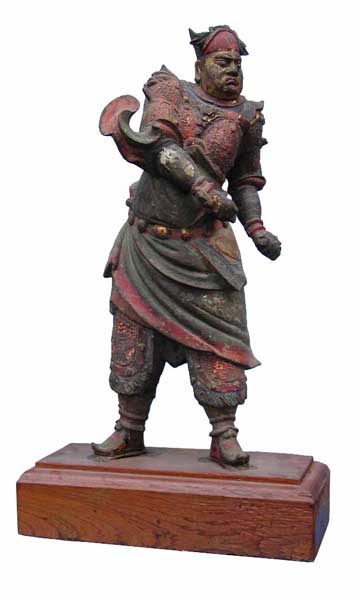
One of the stars of the Big Dipper
2026-04-15 11:51:31
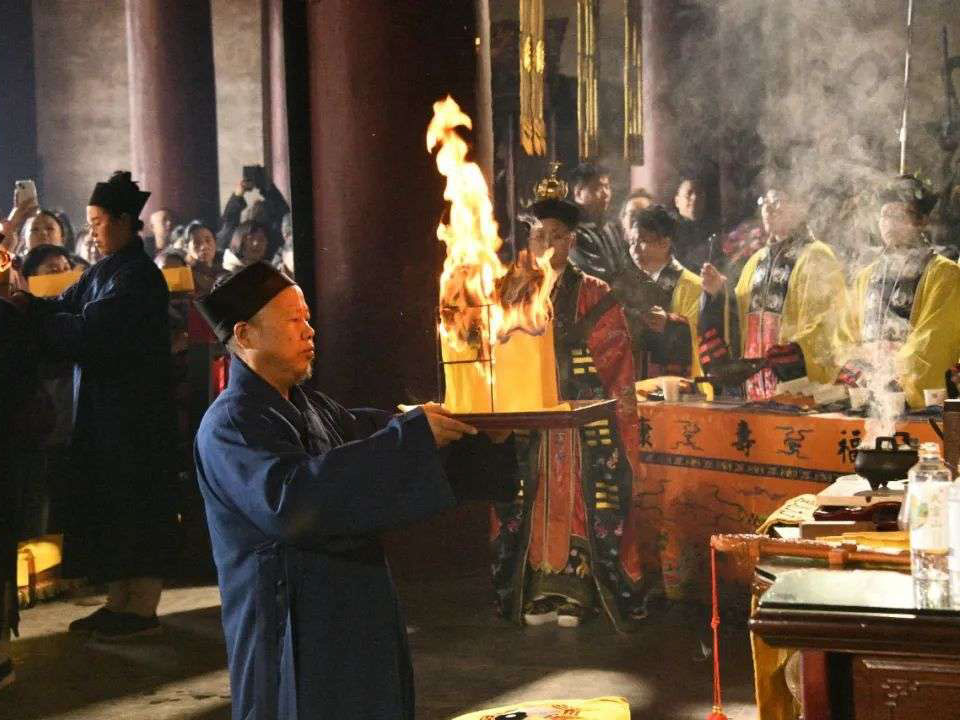
(1) The meaning of the ritual of fasting and Taoist ceremonies
2022-08-20 23:32:13
The original meaning of "zhai" was to be neat, harmonious an...
Yin GUI
2022-08-20 23:32:13
Chapter 27
2022-08-20 23:32:13
Chapter 72
2022-08-20 23:32:13
The couplet of the ancestral hall of the Wudang Mountain Temple
2022-08-20 23:32:13
Chapter 19
2022-08-20 23:32:13