


Cao Gusong
2022-08-20 23:32:13
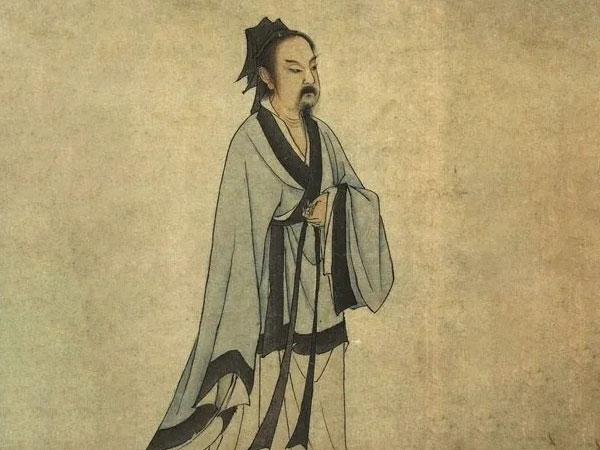
Cao Gusong, a native of Yixing (now south of Yixing, Jiangsu Province), was a Taoist priest of the Maoshan School of Wudang in the Yuan Dynasty. According to the Qing Dynasty's "Great Mountain Taihe Mountain Annals", when Cao was young, he became a monk and served the True Lord Sanmao at the Sanmao Temple on Juqu Mountain in Jiangsu Province. Later, he moved to the Wanning Palace of Yuanfu and was ordained as a Taoist priest by Jiang Guihe and Shidu. By nature, he is simple and talkative, and reluctant to interact with others. After entering the path of enlightenment, one cannot put down a book, delving deeply into the principles and exploring one's true nature. After achieving success in his studies, he traveled far and wide and then retired to Wudang. He ate cheese every day and took the medicine Shiwai Dan, keeping a low profile and remaining unknown to others. In his later years, he returned to Juqu to visit his relatives and then entered the Kaiyuan Palace in Hangzhou for several years of secluded meditation. During the Tianyuan period (the local Chronicles recorded it as the "Kaiyuan" era name). It was found that neither the Yuan nor the Ming dynasties had the era name "Kaiyuan", so "Kaiyuan" was actually a mistake of the era name "Tianyuan" of the Yuan Dynasty. This was during the period of 1379 to 1388 AD. One day, he composed a eulogue to the immortal Wang Meisou and then passed away sitting upright. It is said that a few days after Cao Gusong's ascension, his teacher Jiang Guihe suddenly saw Cao Gusong's face as fresh as ever and bowed to him before leaving. This might be a Taoist interpretation of a corpse, but it remains unknown to later generations.
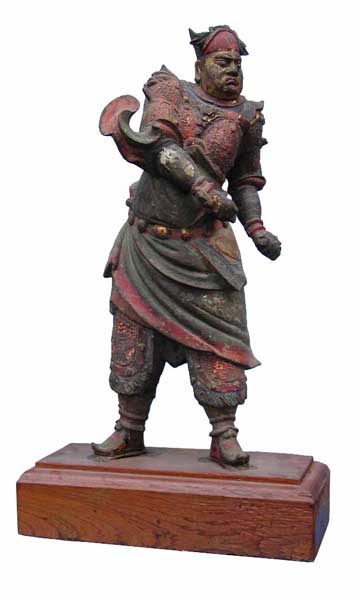
One of the stars of the Big Dipper
2026-04-15 11:51:31
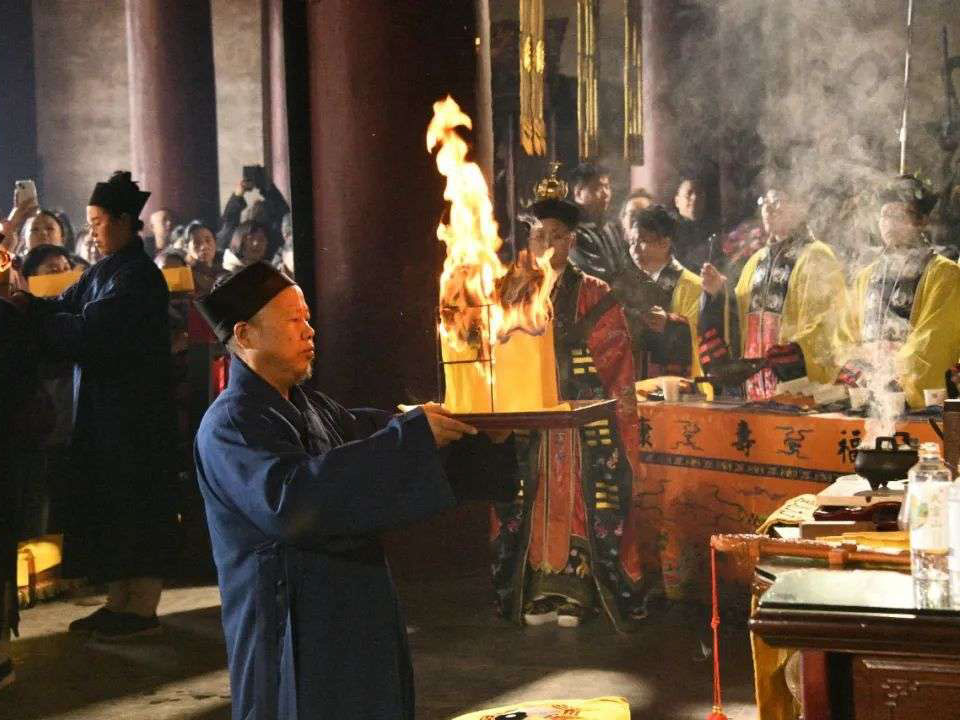
(1) The meaning of the ritual of fasting and Taoist ceremonies
2022-08-20 23:32:13
The original meaning of "zhai" was to be neat, harmonious an...
Yin GUI
2022-08-20 23:32:13
Chapter 27
2022-08-20 23:32:13
Chapter 72
2022-08-20 23:32:13
The couplet of the ancestral hall of the Wudang Mountain Temple
2022-08-20 23:32:13
Chapter 19
2022-08-20 23:32:13