


Dai Meng
2022-08-20 23:32:13
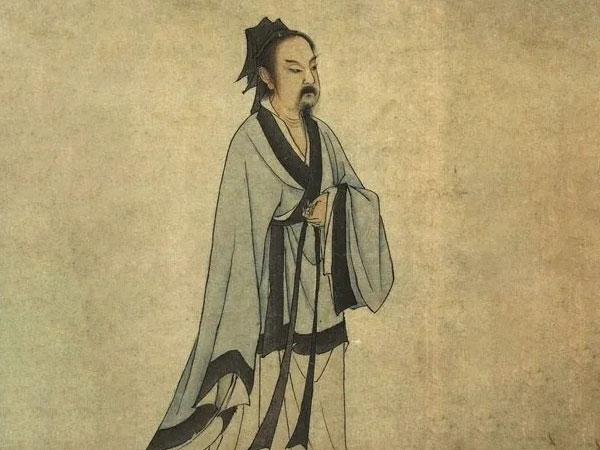
Dai Meng, whose surname was Dai and given name was Zeng, was a general during the reign of Emperor Wu of the Han Dynasty (140-88 BC). Emperor Wu of Han pursued the art of immortality. When he heard that the elixir of life could be obtained from Mount Taihe (also known as Wudang Mountain), he sent Dai Meng there to gather the elixir. However, when Dai Meng arrived at Wudang Mountain, he saw that it was a place of outstanding natural beauty and an ideal place for cultivation. Thus, he retired and never left. Later, he studied under Pei Zhenren of Qingling on Wudang Mountain and obtained the book "Jade Pendant and Golden Bell" and the talisman of stone essence and golden light from him. He styled himself Meng Shengzi. It seems that the name Dai Meng originated from this. "Meng" means the beginning, and "Shengzi" refers to the birth of a sacred fetus or an infant. The name "Meng Shengzi" implies the humble meaning of attaining enlightenment at the very beginning. Dai Meng took Wudang Mountain as his place of cultivation and often traveled around famous mountains. Historical records show that he could cover seven hundred li in a day. It is also said that after Dai Meng achieved enlightenment, he ascended to heaven in broad daylight on Wudang Mountain and placed his hat on a peak. Later generations called this mountain peak Luomao Peak. This peak is located to the north of the Candle Peak in Wudang. During the Song Dynasty, the cultivator Chen Tuan wrote a poem titled "On the Luomao Peak of Wudang". The poem goes: "I love Wudang so much. The general once achieved enlightenment and was elevated to the clouds. The high mountain is called Luomao." It refers precisely to this matter. According to the debate in Ge Hong's (283-363 AD) "Biography of Immortals" and Tao Hongjing's (456-536 AD) "True Proclamation", it is believed that Dai Meng originally had the surname Yan, the given name Ji, and the courtesy name Zhongwei. A person of the time of the Later Han Emperor (reigned 58-76 AD). In particular, Tao Hongjing believed that Yanji was also known as Dai Meng. "For the sake of health preservation, people would hide their names and the time of their birth, so they changed their surnames to Dai and entrusted their official positions to Emperor Wu." It is also believed that Dai Meng's "seven hundred li a day" was merely the use of the invisibility talisman technique rather than the magic of immortality. But it did not deny the fact that he eventually achieved enlightenment and became an immortal. The "Zhen Yi Zhuan" also states that after Dai Meng achieved enlightenment, "he was also in an impermanent place. From time to time, auspicious clouds and purple mists would shade him, or fragrant scents would fill the valleys." This statement is specially prepared for detailed examination. (Reference materials: Ming and Qing Dynasty "Taiyue Taihe Mountain Annals", "Commandery and State Annals", "A Brief History of Taoism in Wudang", etc.
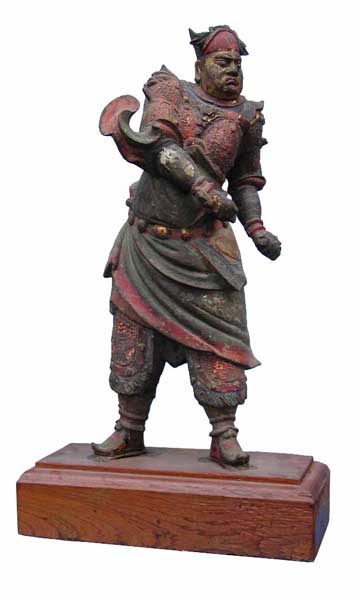
One of the stars of the Big Dipper
2026-04-15 11:51:31
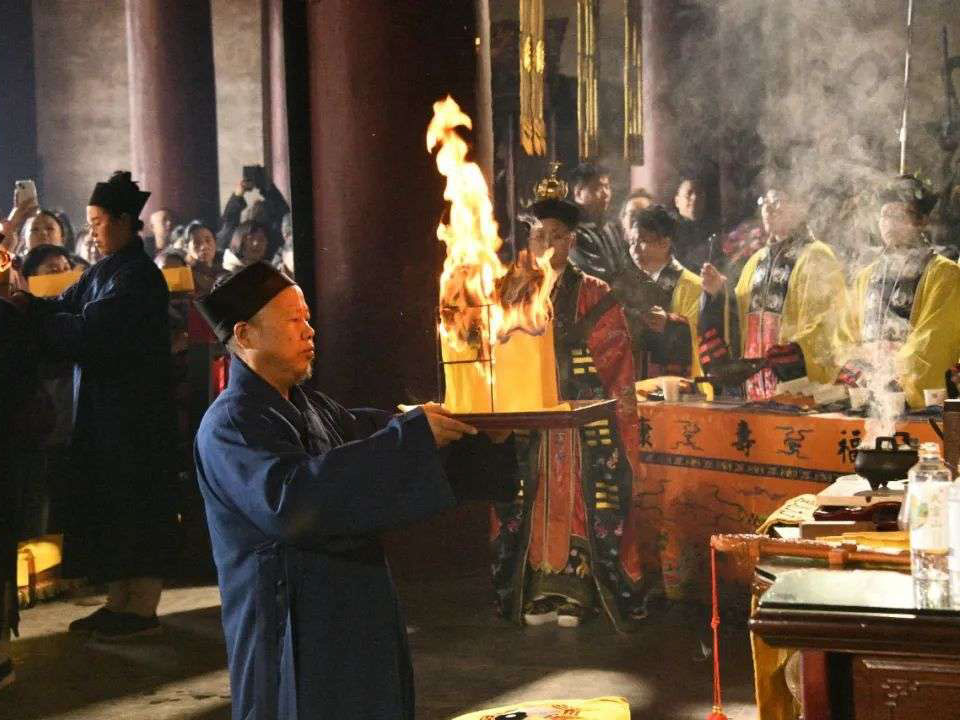
(1) The meaning of the ritual of fasting and Taoist ceremonies
2022-08-20 23:32:13
The original meaning of "zhai" was to be neat, harmonious an...
Yin GUI
2022-08-20 23:32:13
Chapter 27
2022-08-20 23:32:13
Chapter 72
2022-08-20 23:32:13
The couplet of the ancestral hall of the Wudang Mountain Temple
2022-08-20 23:32:13
Chen Xingchang
2022-08-20 23:32:13