


Wulong Palace Taoist Temple
2022-08-20 23:32:13
In the tenth year of the Yongle reign of the Ming Dynasty, Emperor Chengzu Zhu Di vigorously developed Wudang and carried out large-scale construction of the Wulong Palace, bestowing upon it the title of "Xingsheng Wulong Palace". By the Jiajing period of the Ming Dynasty, the Wulong Palace had 850 various halls and Taoist rooms, and its scale was so vast that it amazed the world. Here, we can still see the two grand halls on the high platform. The front one is the Xuan Di Hall, and the back one is the Qi Sheng Hall, also known as the Parents' Hall. There are nine terraces in front of the Second Hall, five in front of the Xuan Di Hall, and eighty-one steps. The first four steps of the Holy Temple are seventy-two. The number of these altars and steps holds a mysterious significance in Taoism. It is said that 9 is the largest number of days. 81 is the product of 9, which implies the unity of nine. 72 is the product of 9 and the maximum earth number 8, symbolizing the harmony between heaven and earth and the inspiration of all things. Here, from the ruins of the main hall, we can see how grand and imposing it was back then. The nine-tiered hall steps are surrounded by arches. When you ascend for the first time and look up, it seems like a palace or a celestial gate. In front of the Xuan Di Hall, there are the Heavenly Pool and the Earthly Pool, with spring water gushing out from the dragon's mouth. There are five Longjing Wells in the courtyard, which are the famous Five Longjing Wells of the Five Dragon Palace. The ancients made use of natural mountain springs to create five Wells and two pools, decorated them and gave them beautiful names. They were displayed simultaneously in the flat and spacious courtyards, highlighting the theme while also having unique features, demonstrating the genius creativity of ancient designers. According to historical records and local elders' legends, the large-scale destruction of the buildings in the Wulong Palace is not a long time ago. In the seventh year of the Xianfeng reign of the Qing Dynasty, that is, in 1857 AD, a peasant army swindling named Zhang the Blind passed by the Wulong Palace and was stung by a poisonous plant there. Enraged and ashamed, he set fire to four of the main halls. In the 20th year of the Republic of China, Wang Shihe, a remnant of the Kuomintang who had been defeated by the Red Army, fled to the Wulong Palace. As he believed the divination was inaccurate, he ordered his soldiers to pour oil on bamboo MATS and lean them against the pillars of the main hall, setting fire to the Wulong Palace. The fire raged for three days and three nights. According to local elders, thick smoke billowed above the Wulong Palace during the day and a red glow at night. After the big fire, what remained was the current Five Dragons Palace... Of course, this is the Five Dragons Palace left by history. As people wander in it, while sighing with regret, they are more likely to be reminiscing about its past.
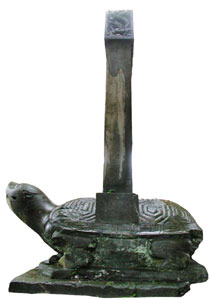
Wulong Palace Imperial Stele Pavilion No. 1
2022-08-20 23:32:13
Wulong Palace Imperial Stele Pavilion No. 1
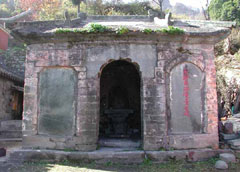
The Middle view of the Yuan Dynasty stone hall
2022-08-20 23:32:13
The Middle view of the Yuan Dynasty stone hall

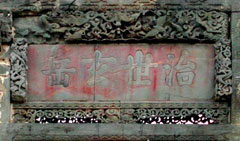
The Mystic Mountain for governing the world
2022-08-20 23:32:13
The Mystic Mountain for governing the world
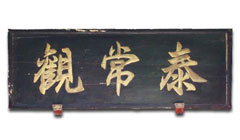
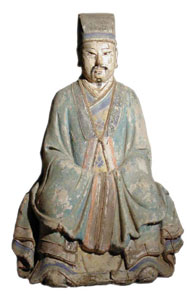
The main hall of the Five Dragons Palace has three statues
2022-08-20 23:32:13
The main hall of the Five Dragons Palace has three statues
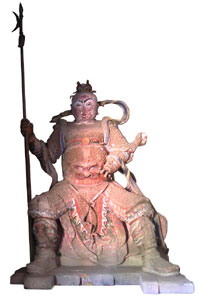
The white tiger in the Dragon and Tiger Hall of Zixiao Palace
2022-08-20 23:32:13
The white tiger in the Dragon and Tiger Hall of Zixiao Palac...
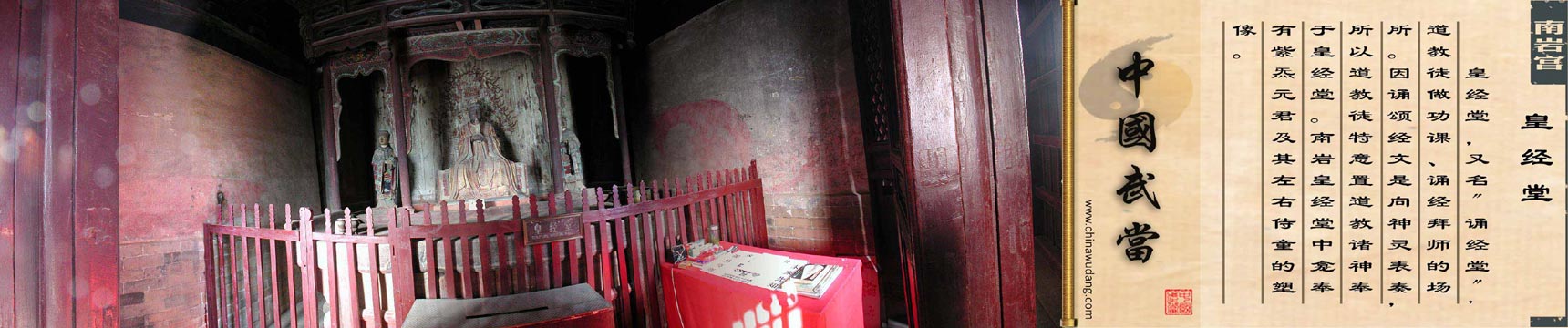
The Imperial Scripture Hall of Nan Yan Palace
2022-08-20 23:32:13
The Imperial Scripture Hall of Nan Yan Palace