


In front of the main hall of the Five Dragons Palace
2022-08-20 23:32:13
The main hall of the Five Dragons Palace was first built during the Zhenguan period of the Tang Dynasty. During the Zhen Song period of the Northern Song Dynasty, the temple was inscribed with the title "The Temple of the Five Dragons' Spiritual Response". It was abandoned due to the "Jingkang Incident". At the beginning of the Yuan Dynasty, it was rebuilt again. Kublai Khan bestowed upon it the title of "Five Dragons Spirit Response Palace", but it was destroyed once more at the end of the Yuan Dynasty. In the tenth year of Yongle of the Ming Dynasty, it was renovated on the site of the Yuan Dynasty and was awarded the title of "Xingsheng Wulong Palace". It has been repaired many times during the Qing Dynasty and is well-preserved. However, it was destroyed in the war at the end of the Qing Dynasty, leaving only its ruins. Wulong Palace is the birthplace of Wudang Mountain and was the main thread of Taoist architecture on Wudang Mountain before the Ming Dynasty. According to records, during the Yuan Dynasty, the Taoist temples on Wudang Mountain had a highly developed economy, with the Wulong Palace being the most powerful. There were many farmlands, handicrafts, businesses and services. In the third year of the Zhiyuan era of Emperor Shun of the Yuan Dynasty, the emperor erected a monument to warn his subjects on Wudang Mountain. It is stipulated that "Do not pick up any items, do not pick up those who rely on strength, and do not seize the important." This protective measure is of great significance and provides strong economic support for the construction of the Wulong Palace. The main hall of the Five Dragons Palace, also known as the Xuan Emperor Hall. It is built on a five-story platform and can only be reached by ascending eighty-one steps. Now we can only see the ruins. The small houses built on the ruins were temporary structures constructed in modern times to protect cultural relics. Inside, there is the largest copper-cast seated statue of Zhenwu on Wudang Mountain.
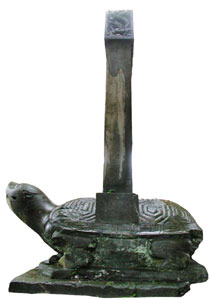
Wulong Palace Imperial Stele Pavilion No. 1
2022-08-20 23:32:13
Wulong Palace Imperial Stele Pavilion No. 1
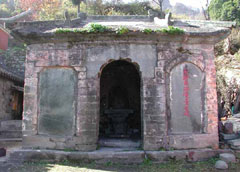
The Middle view of the Yuan Dynasty stone hall
2022-08-20 23:32:13
The Middle view of the Yuan Dynasty stone hall

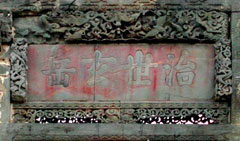
The Mystic Mountain for governing the world
2022-08-20 23:32:13
The Mystic Mountain for governing the world
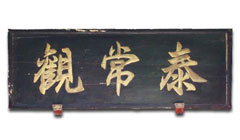
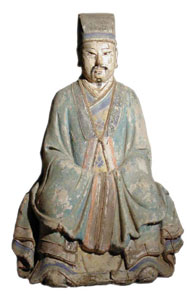
The main hall of the Five Dragons Palace has three statues
2022-08-20 23:32:13
The main hall of the Five Dragons Palace has three statues
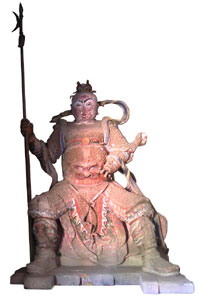
The white tiger in the Dragon and Tiger Hall of Zixiao Palace
2022-08-20 23:32:13
The white tiger in the Dragon and Tiger Hall of Zixiao Palac...
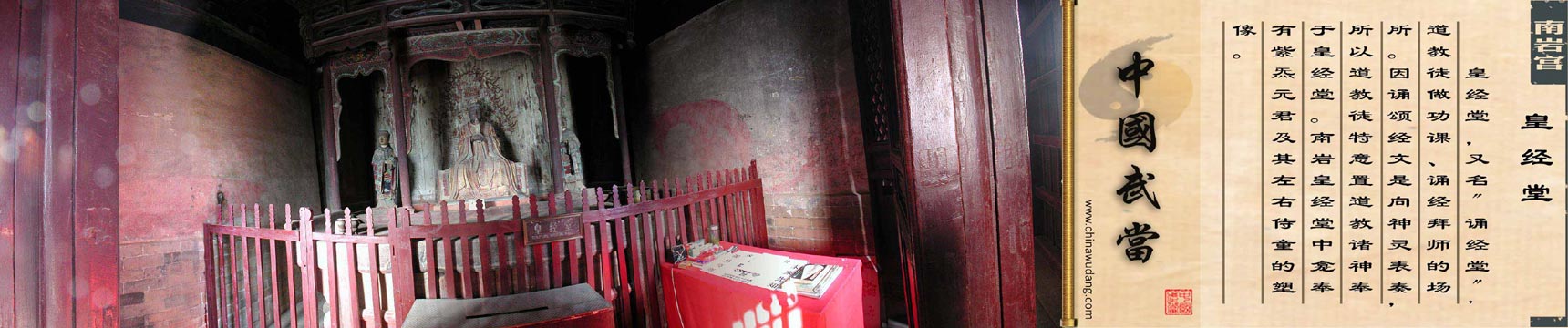
The Imperial Scripture Hall of Nan Yan Palace
2022-08-20 23:32:13
The Imperial Scripture Hall of Nan Yan Palace