


(3) Practicing alchemy
2022-08-20 23:32:13
Having expounded the fundamental essence of cultivation and gained a certain understanding of it from a theoretical perspective, we can now proceed to discuss the categories of cultivation techniques to deepen our understanding from specific methods. The practice of alchemy has a very ancient origin. According to Daoist records, as early as the period of the Yellow Emperor Xuanyuan, there were cultivators living in seclusion in the deep mountains, which eventually developed into the Fangxian Dao and the Huang-Lao Dao. The immortal arts and magic they practiced were directly absorbed and inherited by orthodox Taoism. In this regard, there are mainly methods such as Xinzhai, Ziguang, Yuandu, guiding and leading, breathing exercises, listening to the breath, zuoxi, jingjing, zhuan Xiang, Shuyi, fasting, taking food, sleeping in the room, qi circulation, fetal breathing, external elixirs, and internal elixirs, etc. Here is a brief introduction: Xinzhai, where "zhai" means purity, Xinzhai means a pure heart. Zhuangzi states: "Only the Dao gathers emptiness. Emptiness is the state of the mind's fasting." Sitting in meditation and focusing one's mind. Zhuangzi: "隳 The body, rejecting intelligence, transcending form and knowledge, is in harmony with the great mind. This is called sitting and forgetting." "Yuan Du" refers to following the Middle Way or the cloud-based circulation of the Du meridian. Zhuangzi: "By taking the governor as the path, one can preserve oneself, live a full life, support one's relatives, and live out one's years." Guiding, instructing the movement of limbs, and drawing qi throughout the body. Zhuangzi states: "When the bear meridian and the bird stretch, it is enough to live a long life. This is the method of guiding." The Five Animal Exercises passed down by Hua Tuo during The Three Kingdoms period belong to this category. Inhalation and exhalation start with inhaling clear air and expelling stale air. Zhuangzi: "Boast about breathing, expelling the old and taking in the new." Listening to the qi means quietly listening to the inner qi. Zhuangzi: "Do not listen with your ears, but listen with your heart." "Listen not with your heart, but with your breath." "Zhuxi" refers to inner breathing that reaches a depth of sleep. Zhuangzi: "The true man breathes at his heels, while the common people breathe at their throats." To remain calm means to settle one's mind and seek tranquility. The Taiping Jing states: "The root of seeking the Tao lies in stillness." "Cunxiang", also known as "cunsi" or "cunshen", means gathering the body and spirit and not allowing them to wander outside. In "Tianyinzi", it is written: "To store is to store my spirit, and to think is to think of my body." To keep one is to keep one's heart in one. Zhuangzi: "I adhere to one aspect to achieve harmony." Fasting, also known as "cutting off grains", "resting grains", or "eliminating grains", etc. Fasting can be roughly divided into five types: ① Not eating grains, that is, not consuming rice, flour and the like. ② Not eating the mundane world, that is, not consuming cooked food. ③ Do not consume oil or salt. ④ Refusing to eat food and specializing in servility. ⑤ Take medicine instead of food. Feeding, also known as taking bait. It refers to taking medicine or external elixirs. The "Treatise on the Essence of Breath Control" states: "All kinds of herbs are used to replace grains, so that the aroma and smell can affect both the internal organs and make them complete." In the room, it is also called the Imperial concubine, the Yellow and Red Way, etc. Originating from the ancient worship of reproduction. The term "Fang Zhong Shu" originally referred to the taboos of sexual intercourse and the hygiene techniques for preventing diseases and prolonging life. The "Yiwen Zhi" of the "History of the Han Dynasty" states: "If one enjoys joy with moderation, one will enjoy peace and longevity." The Baopuzi states: "The key lies in restoring the essence and nourishing the brain." " Later, because it was prone to slander, Taoism was not passed down. "Xing qi, also known as guiding qi or bringing luck." It refers to mobilizing the circulation of true qi within the body to unblock the meridians. In the "Inner Chapter of Baopuzi" : "When one first starts to practice the flow of qi, draw the qi through the nose and close it." ... And so on, they do not want to let the sound of their coming and going already be heard, which often leads to more than enough." Fetal breathing, that is, breathing through the navel like a fetus. The fetal breathing in high-level alchemy refers to the breathing of the entire body. In the "Seven Signs of Yunji", it is stated: "When a person can rely on the inner energy of an infant in the mother's womb, firmly grasp and hold onto one, this is called fetal breathing." External alchemy, also known as alchemy, golden elixir technique, burning and refining technique, etc. It refers to the process of refining gold, stones, grass and trees in a cauldron to create divine elixirs, which are consumed in conjunction with cultivation. The Inner Chapter of Baopuzi states: "The longer the golden elixir is refined, the more wonderful its transformation becomes..." Take these two medicines to strengthen the body." Based on the numerous immortals and martial arts mentioned above, Taoist cultivation has been continuously developed and improved, eventually forming a complete cultivation system mainly based on the "Three Yuan Elixir Method", which encompasses all Taoist skills and martial arts.
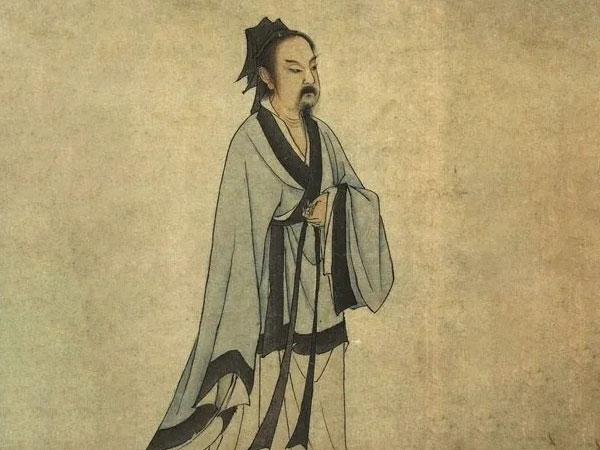
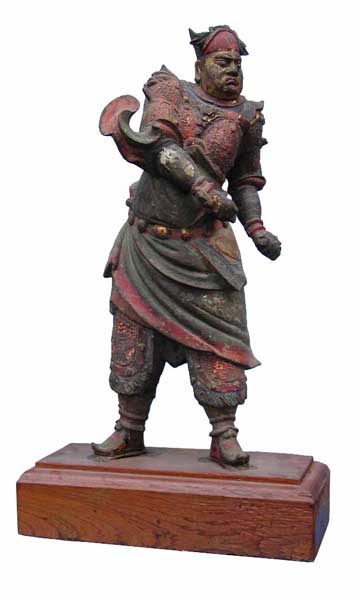
One of the stars of the Big Dipper
2026-04-15 11:51:31
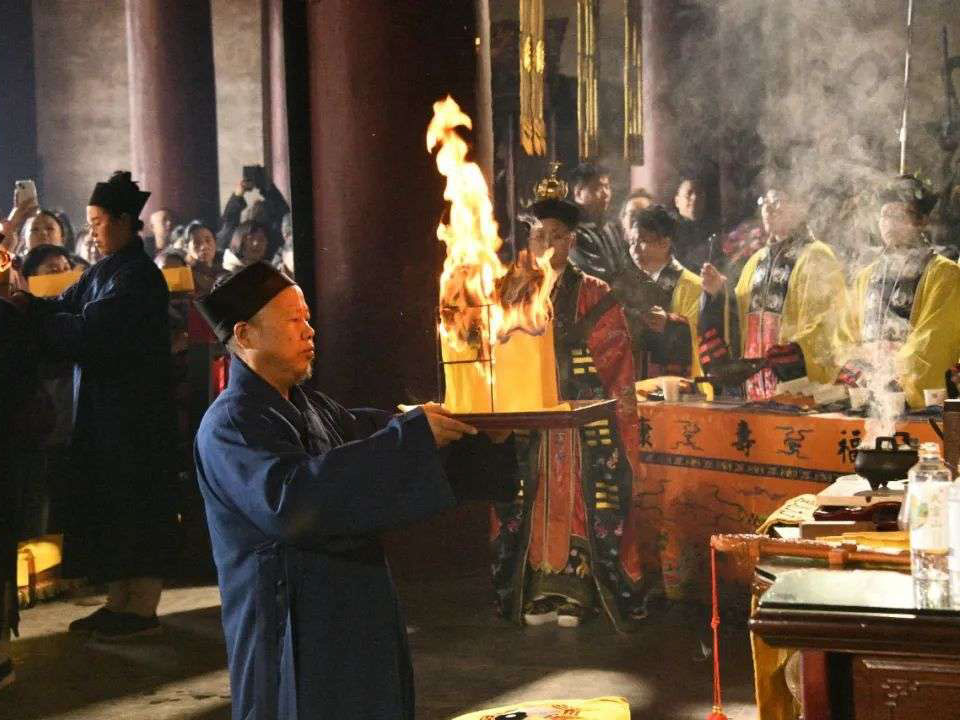
(1) The meaning of the ritual of fasting and Taoist ceremonies
2022-08-20 23:32:13
The original meaning of "zhai" was to be neat, harmonious an...
Yin GUI
2022-08-20 23:32:13
Chapter 37
2022-08-20 23:32:13
"Thunderbolt head"
2022-08-20 23:32:13
Chapter 47
2022-08-20 23:32:13
He wrote treatises on the supreme teachings
2022-08-20 23:32:13