


Li Chengxin
2022-08-20 23:32:13
Li Chengxin, whose lay name was Li Yuanxiang, is now located in the Zixiao Palace of Wudang on Miaokun Road. Li Chengxin was from Beixiang, Junzhou (now on the north bank of the Han River in Danjiangkou City). She was born in the 20th year of the Guangxu reign of the Qing Dynasty (1894 AD). Her family was traditionally religious, so when she was twelve years old, her parents sent her to the local Guanyin Temple to become a nun. It was not until middle age that he officially became a disciple and received the precepts at the Wudang Mountain Temple. He changed his lay name to Yuanxiang and his Taoist name to Chengxin. He became a disciple of the same master as Li Chengyu and was the 24th generation disciple of Longmen. Not long after Li Chengxin became a disciple, his master left and never returned. In her words, this is what is called "A master can only lead you in, but your own efforts determine your progress." The master has taught the apprentice what should be said. From now on, it's up to the apprentice to cultivate on his own. The master still needs to cultivate his own. Li Chengxin retired to the Baiyun Cave on Wudang Mountain in his seventies. Baiyun Cave is one of the thirty-six famous caves of Wudang Mountain. It is located at the foot of Baiyun Peak, dozens of miles southeast of Tianzhu Peak of Wudang Mountain. With its high peak and deep forest, it is far from the hustle and bustle of the world and was a paradise for ancient hermits. When Li Chengxin arrived at Baiyun Cave, there were three Kundao in the cave. Their daily necessities mainly relied on the continuous transportation of local believers. But if they encounter the busy farming season or heavy rain and snow, causing the mountain roads to be cut off, they will survive by fasting for ten days or half a month. Sometimes they also satisfy their hunger by digging wild vegetables. Just as they were about to draw water from the cave, they had to carry it on their backs from the deep valley with wooden barrels. Despite this, Li Chengxin lived in Baiyun Cave for more than ten years. According to the seniority of the master, the younger disciples all called Li Chengxin "Second Aunt" or "Li Second Aunt". Li Er Gu left Baiyun Cave and returned to Zixiao Palace, the location of the Wudang Taoist Association, around 1989. Li Er Gu is now (up to 1994) a hundred years old, but she still has a strong figure and a rosy complexion, looking like she was in her fifties or sixties. She only has two meals a day, one bowl per meal, and eats in the kitchen. She eats whatever everyone else eats. Her hair is black and white, her eyes are bright, her teeth are not missing, except that her ears are a little stiff, but it basically doesn't affect her conversation with others. Despite her advanced age, Li Er Gu still couldn't stay idle all day long. She was either peeling the lamp grass, picking medicinal herbs, or on duty in the hall. She said that doing things is also a form of merit. Merit lies in doing things, and doing things lies in merit. This is called virtue merit and should not be underestimated. If one cannot cultivate virtue and merit well, no other merit can be achieved. It seems that Li Er Gu believes in the saying, "It's better to be a little confused." She is sincere and kind to others, but forgets things as soon as they are over. She never took on an apprentice in her entire life. She said, "Practicing martial arts is no easy task. It's not the case that just because you have a good heart, you can guide your disciples well." For instance, when it comes to practicing martial arts, one has to figure it out on their own. Even with a certain amount of effort, one may take detours. If you take these detours as experience and pass it on to your apprentice, you will lead them astray." But she also said, "But I don't hide my practice of martial arts. When others ask me about it, I tell them that it's a matter of accumulating virtue." Nowadays, people often admire Li Er Gu and wish her to live to be sixty years old (that is, 120 years old). But she said to others, "Double sixty years is just over a hundred. What's that?" "Long-term cultivation often leads to growth." "
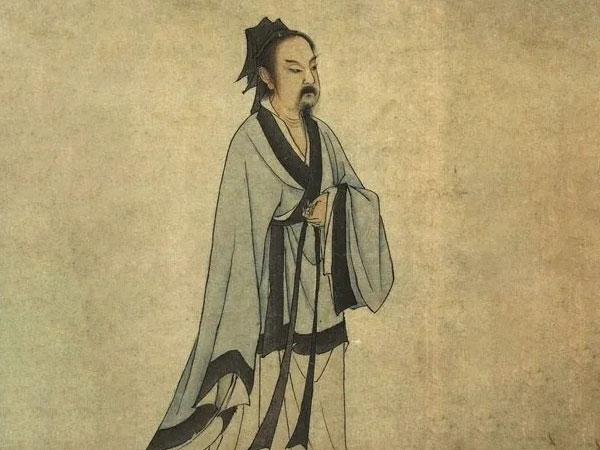
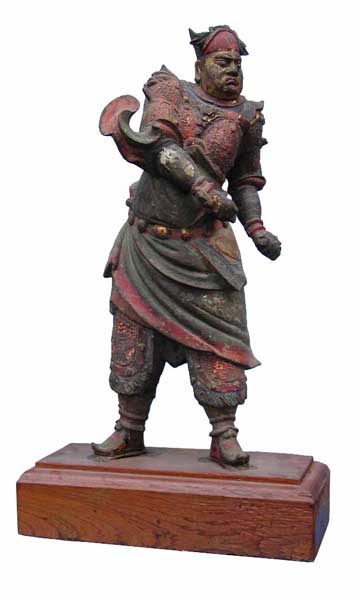
One of the stars of the Big Dipper
2026-04-15 11:51:31
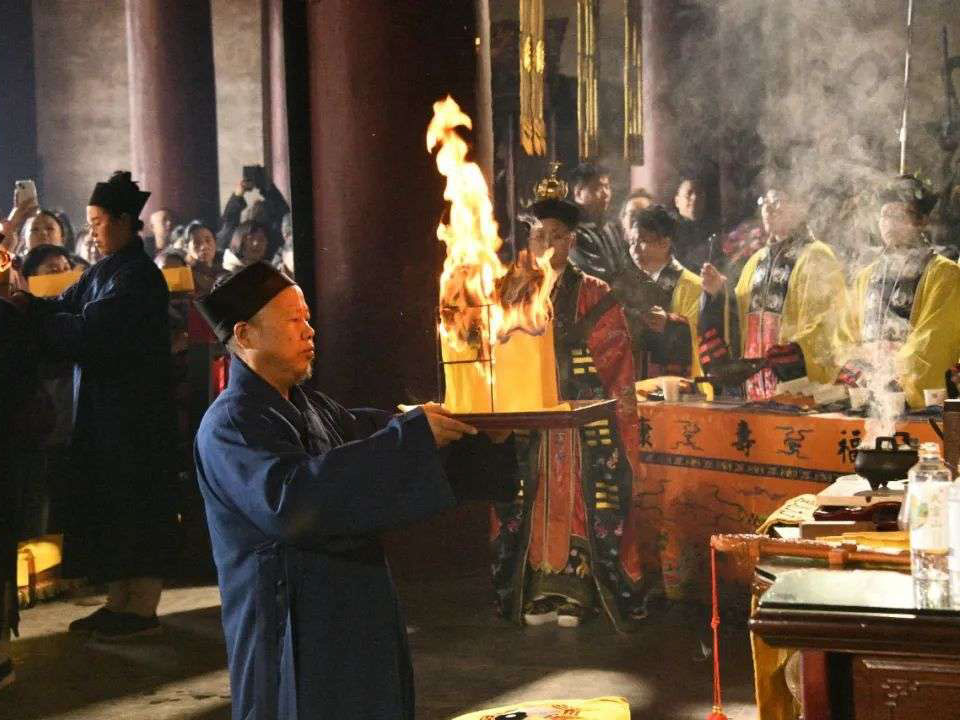
(1) The meaning of the ritual of fasting and Taoist ceremonies
2022-08-20 23:32:13
The original meaning of "zhai" was to be neat, harmonious an...
Yin GUI
2022-08-20 23:32:13
Chapter 27
2022-08-20 23:32:13
Chapter 72
2022-08-20 23:32:13
The couplet of the ancestral hall of the Wudang Mountain Temple
2022-08-20 23:32:13
Chapter 40
2022-08-20 23:32:13