


Wang Zhenchang
2022-08-20 23:32:13
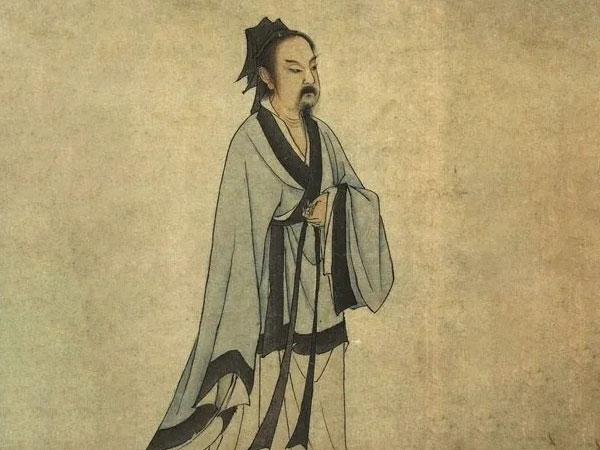
Wang Zhenchang, also known as Zhenchang, styled Sizhen and with the pseudonym Jiran Zi. A Taoist priest of Wudang in the Yuan Dynasty. The Ming Dynasty's "Great Mountain Taihe Mountain Annals" quotes Liu Daoming, a Taoist priest of Wudang in the Yuan Dynasty, from his "General True Collection of Wudang Blessed Land", stating that Wang was from Anhui Province, born in Anqing (now Anqing City, Anhui Province), and was a descendant of Wang Boyan (1069-1141 AD), the prime minister of the Song Dynasty. He later became a monk and succeeded to the Quanzhen Sect. At the end of the Song Dynasty, he entered Wudang. In the year of Yi Hai of the Zhiyuan era (1275 AD), he, along with his Taoist friend Lu Dayou, led six disciples to open up the path of incense offering at the Wulong Palace. We spare no effort to forge ahead through all obstacles. Due to the frequent wars between the Song and Jin dynasties at the end of the Song Dynasty that affected Wudang, many palaces and temples were destroyed, incense offerings were rarely cut off, and the forests in the mountains were deep and densely hazel. When one enters the mountains, it's hard to tell directions, and there are many cliffs and precipices in the mountains. Therefore, it is extremely difficult to open up the path of incense offering. At that time, the black tiger in the forest led the way for him, and only then did he achieve success. When the road was opened, Wang Zhenchang led the Taoist followers to reclaim the wasteland and expand the Taoist food supply. As the Yuan Dynasty was founded from the north, it held the Wudang Taoism, which served the God of Xuanwu, in high regard from the very beginning of its establishment. Wang Zhenchang was specially given the name "Zhenchang". In the 23rd year of Zhiyuan (1286 AD), an imperial edict was issued to bestow upon the forehead of Wulong Temple the title of "Wulong Lingying Palace". Taking this golden opportunity, Wang Zhenchang, along with his fellow Taoists, worked hard for over two decades to expand and renovate the Five Dragons Palace. Around the palace, cedar and pine trees are planted, forming a vast forest. It reclaimed hundreds of hectares of land and governed an area of three hundred square miles. At this time, the number of Taoists in temples and monasteries increased dramatically. There were over a thousand Taoists in the Five Dragons Palace alone, and historical records show that they "cared for more than ten thousand". At this time, the Wudang Palace was bustling with incense smoke. On the third day of the third lunar month and the ninth day of the ninth lunar month, when the Xuanwu Emperor was born and promoted, pilgrims came in a continuous stream, with no less than 30,000 to 50,000 people each day. Temples and monasteries receive generous donations from all directions. Wang Ren was the master of the temple and his reputation spread far and wide. He issued an imperial edict to over a hundred disciples of the temple. All the Taoist sects from the four directions flocked to the mountain to pay homage and seek his teachings. Wang Zhenchang devoted his entire life to the study of the "I Ching" with great proficiency. There is always nothing unpredictable about everything. He passed away without illness, and the dates of his birth and death are unknown. After his death, many local people dreamed of him driving northward on purple clouds, and his praise was especially high. The Quanzhen School of Taoism in Wudang flourished from Wang Shi.
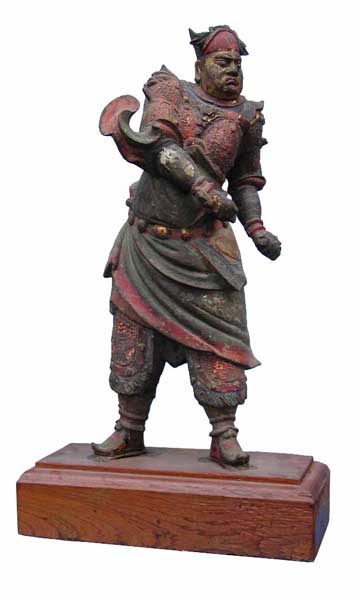
One of the stars of the Big Dipper
2026-04-15 11:51:31
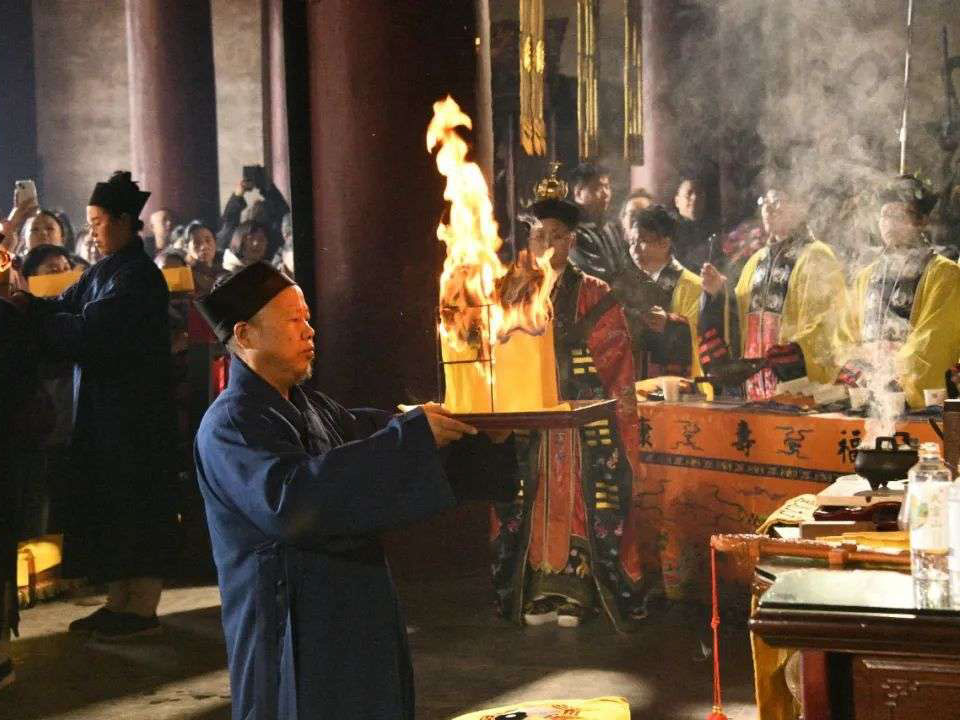
(1) The meaning of the ritual of fasting and Taoist ceremonies
2022-08-20 23:32:13
The original meaning of "zhai" was to be neat, harmonious an...
Yin GUI
2022-08-20 23:32:13
Chapter 27
2022-08-20 23:32:13
Chapter 72
2022-08-20 23:32:13
The couplet of the ancestral hall of the Wudang Mountain Temple
2022-08-20 23:32:13
Chen Xingchang
2022-08-20 23:32:13