


Wudang Culture Roundtable: How does the Ecological Wisdom of Wudang Mountain Guide Modern Environmental Protection
2026-08-14 09:46:54
Editor's Note: Wudang, stretching eight hundred miles, is a place of outstanding natural beauty and a cultural heritage that spans a thousand years. As a brilliant gem of China's fine traditional culture, Wudang culture integrates Taoist philosophy, ecological wisdom, the essence of health care, the charm of martial arts and architectural aesthetics. It accumulates the wisdom of Eastern life and spiritual pursuit, and is a precious cultural heritage of the Chinese nation. Under the new circumstances, promoting the creative transformation and innovative development of traditional culture has become an important issue of The Times. How Wudang culture can break away from the deep mountains and integrate into the contemporary era, and how it can empower modern development and nourish people's lives with traditional wisdom, are the core issues that we have been continuously delving into and exploring. For this reason, Qin Chu Network has specially launched the column "Masters Talk about Wudang Culture", welcoming scholars, researchers and enthusiasts of Wudang culture to freely express their insightful views and jointly explore the practical path for the dynamic inheritance of Wudang culture, so that the wisdom of the thousand-year-old Wudang culture can shine into all aspects of modern life.

Wudang Golden Summit Photo by reporter Zhang Jianbo
Man follows the earth, the earth follows the heaven, the heaven follows the Dao, and the Dao follows nature. The classic discourse of Laozi's "Tao Te Ching" has been accumulated in the 800-mile-long mountains and rivers of Wudang Mountain as an ecological practice that has lasted for a thousand years. As a treasure of traditional Chinese culture, Wudang culture takes "harmony between man and nature" as its core concept, integrating Taoist ecological wisdom into the texture of mountains and waters, architectural construction and humanistic inheritance. Under the guidance of the contemporary development concept that "green mountains and clear waters are as valuable as mountains of gold and silver", this ancient wisdom is no longer a buried cultural symbol. Instead, it has become a precious asset that aligns with modern environmental protection concepts and empowers ecological civilization construction. It provides unique Oriental ideas and solutions for contemporary society to solve ecological problems and achieve sustainable development.
No destruction of mountains, no logging
The "low-intervention" ecological construction wisdom in ancient architecture
On December 15, 1994, the ancient architectural complex of Wudang Mountain was inscribed on the World Heritage List. UNESCO commented: It integrates ancient wisdom, historical architecture and the aesthetics of nature. Its construction concept of "following the way of nature" is highly consistent with the core propositions of modern ecological architecture of "conforming to nature, low-carbon and environmental protection, and harmonious coexistence", and can be regarded as a model of ancient Chinese ecological architecture.
Tracing back 600 years, Emperor Chengzu Zhu Di of the Ming Dynasty ordered a major renovation of Wudang and issued an edict that "the mountain itself must not be disturbed in the slightest", establishing an ecological tone of respecting nature and low intervention in construction for the ancient architectural complex.
It took 12 years and 300,000 military personnel and civilians to build a magnificent complex of 33 buildings including 9 palaces and 8 temples, which are arranged in a staggered manner along over 100 kilometers of sacred roads, adhering to the principle of following the terrain and creating a beautiful environment by borrowing the scenery.
The Nan Yan Palace breaks the traditional symmetrical layout. The stone hall is suspended on the cliff, blending seamlessly with the natural mountain terrain.
The "Nine-Bend Yellow River Wall" of Taizi Slope winds and undulates along the mountain terrain. The ingenious use of the "one column and twelve beams" structure reduces the excavation of the mountain.
Zixiao Palace is backed by Zhanqi Peak and faces Yuji Pool. It relies on the natural landscape to achieve good ventilation, lighting and ecological protection
……

The "Nine-Bend Yellow River Wall" at Taizi Slope. Photo provided by the scenic area
Tracing back to history, the systematic development of religious buildings on Wudang Mountain began in the Tang Dynasty. In the past, the rock temples on Wudang Mountain mostly relied on natural caves with minor renovations, and very few major alterations to the mountain body were made. When the Five Dragons Palace was built during the Tang Dynasty, mountain springs were brought into the palace, which was a clever use of the natural water system to create an ecological cycle for the palace. A careful examination of these buildings reveals that all of them reflect the ancients' adaptation and ingenious utilization of nature. It can be said that the site selection and layout of the ancient buildings on Wudang Mountain is a comprehensive consideration that integrates geography, climate, hydrology and ecology. The layout with mountains at the back to shield from the cold and water in front to welcome the gentle breeze is not only suitable for human habitation but also minimizes the disturbance to the natural environment, which coincides with the concept of modern ecological architecture.
The ancient architectural complex has been well-preserved for hundreds of years, and the key lies in its symbiotic relationship with nature from the very beginning of its construction. This architectural wisdom of not destroying, making good use of and deeply integrating provides important references for contemporary urban low-carbon architectural design and rural construction using local materials.
Discipline is ethics:
From "no harm" to biodiversity conservation
Wudang Taoism has transformed the concept of "harmony between man and nature" into specific regulations and behavioral precepts, forming ecological ethical norms centered on protecting life, prohibiting hunting, and cherishing animals. These rules and precepts are not merely religious regulations but rational definitions of the relationship between humans and nature. The idea of "equality of all things and reverence for nature" they embody is highly consistent with the core demands of contemporary biodiversity conservation, providing a profound cultural and ethical support for modern ecological protection.
At the level of strict regulations and precepts, Wudang Taoism takes "not harming life" as its fundamental principle, forming a systematic protection system for animals and plants. The "Ten Precepts of the First True Nature" and the "One Hundred and Eighty Precepts of Laozi" explicitly prohibit behaviors such as hunting, fishing, and disturbing birds and beasts. The "Taiping Jing" and the "阴骘 wen" make specific requirements for plant protection. These precepts not only restrained the Taoist practitioners but also deeply influenced the surrounding people through cultural dissemination, gradually forming a regional tradition of prohibiting hunting and protecting life.
At the core level of value, Wudang Taoism regards all natural beings as equal life subjects with human beings, and puts forward the idea that "heaven and earth share the same root with human beings, and all things are one with human beings", breaking the cognitive limitations of anthropocentrism and establishing the ecological value of coexistence of all things. Under the guidance of this concept, the Taoist practitioners in Wudang have carried out good deeds to protect life, such as afforestation and water source protection. This ecological ethics has gradually been integrated into the local culture and has become a voluntary code of conduct for the people.
In terms of the integration of the past and the present, the contemporary conservation of biodiversity in Wudang Mountain is an organic combination of traditional ecological ethics and modern protection measures. As the core water source area of the Middle Route Project of the South-to-North Water Diversion Project, in 2022, the Wudang Mountain Tourism Economic Special Zone issued the "Implementation Plan for the Construction of the 'Green Mountains and Clear Waters Are as Valuable as Mountains of Gold and Silver' Practice Innovation Base in the Wudang Mountain Special Zone (2023-2025)", which clearly demarcated an ecological protection red line accounting for 65.91% of the administrative area and implemented strict control over wild tourism. Safeguard the ecological bottom line through systems.

Red and white flying squirrels and oryx have appeared on Wudang Mountain. (Reference image
Through projects such as mountain greening and mine ecological restoration, the forest coverage rate of Wudang Mountain has increased to 72.9%, and the vegetation coverage index has reached 91.52%. It has given birth to a rich biological community including 758 species of plants and 130 species of birds. Among them, 417 kinds of Chinese herbal medicines have been included in Compendium of Materia Medica. Therefore, Wudang Mountain enjoys the reputation of a "natural medicine repository". National second-class protected animals such as the red and white flying squirrel and the spotted antelope frequently appear in the forest.
The ecological ethics of Wudang Taoism fully confirm that ecological protection not only requires institutional constraints and technical support, but also cannot do without cultural identity and moral awareness. Its concept of "revering all things and taking in moderation" provides an important idea for resolving the contradiction between human development needs and nature conservation: Humans are part of nature, not its masters. Only by internalizing the protection of nature as a social moral code can the long-term protection of biodiversity be achieved.
Low-carbon is not ascetic:
The green lifestyle model in Wudang's health preservation culture

Wudang Taoist Medicine. Photo provided by the scenic area
Wudang health preservation culture is a life-like expression of Wudang's ecological wisdom. Centered on the core concepts of "harmony between man and nature" and "adapting to the four seasons", it integrates methods such as Tai Chi, guiding exercises, dietary therapy, and self-cultivation of the mind. It not only pursues the balance of Yin and Yang within the human body but also advocates the resonance of human and natural rhythms. The low-carbon, minimalist and moderate lifestyle it embodies is highly consistent with the modern green living concept, providing a practical life sample for contemporary society to solve the predicament of excessive consumption and ecological imbalance.
In terms of exercise for health preservation, Tai Chi, Baduanjin, and guiding exercises all take "softness" as their core, and their movements conform to the body's physiological rhythms and the natural changes of Yin and Yang. It is said that Zhang Sanfeng, based on the principle of the battle between magpies and snakes, created the internal martial arts principles of Wudang, precisely internalizing the laws of nature into wisdom for health preservation. This type of exercise does not require complex equipment and does not impose an environmental burden, yet it can achieve dual physical and mental well-being, which is in line with the modern low-carbon exercise concept.
In terms of dietary health preservation, Wudang health preservation adheres to the principle of "food and medicine sharing the same origin, light and natural", and pursues "taking from nature and using in moderation". Taoist medicine emphasizes that diet should follow the four seasons, nourish the body and mind with seasonal ingredients, reduce the intake of highly processed foods, and at the same time advocate eating small meals frequently and avoiding rich and spicy flavors. Special medicinal diets such as winter melon, coix seed and old duck soup, and lotus leaf tea are made from natural ingredients, combining health benefits with ecological friendliness, and minimizing the impact of dietary behavior on the environment to the greatest extent.
In terms of self-cultivation, the Wudang health preservation culture advocates "reaching the extreme of emptiness and maintaining a firm state of stillness", and advocates achieving harmony with nature through inner peace. It holds that excessive desires are a significant root cause of physical and mental imbalance and ecological damage. Therefore, it emphasizes having few selfish desires and being content with what one has. Through meditation and contemplation, it aims to calm restlessness, and with a minimalist inner state, it corresponds to a simple lifestyle, reducing unnecessary material consumption from the source and alleviating the pressure of human activities on nature.
At the modern transformation level, Wudang health preservation has transcended the realm of religious practice and has become an important carrier for the dissemination of a green lifestyle. Relying on its excellent ecological background, Wudang Mountain has developed new business forms such as forest health care and ecological study Tours. While practicing Tai Chi, tasting Taoist medicinal cuisine and strolling in the natural mountains and forests, tourists can experience the wisdom of traditional health preservation and be influenced by the concept of green living. In the height of summer, Wudang Mountain, with its pleasant climate and a health preservation system that conforms to the four seasons, has become a popular summer resort and health care destination, which is a vivid contemporary interpretation of Wudang's low-carbon health preservation wisdom.
In the current era when consumerism is prevalent, the low-carbon and minimalist concept advocated by Wudang health preservation culture is of great practical significance. Green living is not deliberate asceticism, but a rational choice that conforms to nature and achieves harmony between body and mind. Reducing the consumption of non-essential materials and practicing a simple and moderate lifestyle can not only allow the body and mind to return to their true nature, but also promote a new balance between humans and nature, enabling modern environmental protection concepts to take root in daily life.
From the Deep Mountains to the present
The four practical values of Wudang ecological wisdom

Wudang Tai Chi is widely spread. Photo provided by the scenic area
From the ecological construction of ancient buildings to the ecological ethics of Taoist precepts and regulations, and then to the practical application of health preservation culture in daily life, the ecological wisdom of Wudang has formed a complete system from concepts to systems and then to daily behaviors, with the core always revolving around "following the way of nature and the unity of heaven and man". In contemporary times, this thousand-year-old wisdom has been rejuvenated under the guidance of the concept that "green mountains and clear waters are as valuable as mountains of gold and silver", providing an important traditional cultural foundation and practical path for ecological civilization construction, green development transformation, and the cultivation of sustainable lifestyles. Specifically, its practical value is reflected in four dimensions:
Philosophical dimension. Modern mainstream ecology mostly promotes ecological protection through science and technology as well as institutional regulations. However, the ecological wisdom of Wudang starts from the essential relationship between humans and nature, establishing an overall view of "coexistence and harmonious unity of all things", breaking the cognitive misunderstanding of the opposition between humans and nature, and elevating ecological protection from the level of technical governance to the height of value reshaping, laying a solid cultural foundation for the construction of ecological civilization. From the perspective of Wudang ecological wisdom, ecological civilization construction is not only about pollution control and ecological restoration, but also about reshaping the relationship between humans and nature, establishing a value consensus of respecting nature, conforming to nature and protecting nature. This is highly consistent with the core requirement of "adhering to harmonious coexistence between humans and nature" in the new era of ecological civilization construction. Become a spiritual bond that unites social forces and promotes the participation of all citizens in ecological protection.
The dimension of cultural and tourism integration. As a World Cultural Heritage Site and a national "Two Mountains" practice innovation base, Wudang Mountain adheres to the deep integration of ecological protection and cultural tourism, and builds a development model of "culture + ecology + tourism". In the process of developing tourism, Wudang Mountain has always strictly adhered to the ecological bottom line, scientifically controlled the number of tourists it can carry, and avoided excessive development. Promote the full collection, full treatment and standard discharge of sewage from homestays to safeguard the ecological security of water sources. Cultivating green business forms such as forest health care and ecological study Tours, achieving a win-win situation for all parties including the revitalization and inheritance of cultural heritage, the continuous improvement of the ecological environment, and the increase of income for the surrounding people, highlights the core essence of green tourism.
Life leads the dimension. The ultimate goal of ecological civilization construction is the green transformation of people's lifestyles. The low-carbon, minimalist and nature-compliant lifestyle advocated by Wudang Ecological wisdom is highly consistent with the modern green living concept, and it is rich in cultural heritage and highly operational. Nowadays, health-preserving exercises such as Tai Chi and Baduanjin have entered communities and schools, becoming an important part of the national fitness system. The Taoist dietary concept of conforming to the four seasons and being light and natural influences the dietary choices of an increasing number of people. The self-cultivation of having few selfish desires and being content with what one has helps people calm anxiety and reduce excessive consumption in a fast-paced society. The modernization of traditional wisdom has transformed green living from an abstract concept into a perceptible and practical daily choice, laying a solid mass foundation for ecological civilization construction.
Dimension of innovative development. The modern transformation of Wudang's ecological wisdom is not merely a simple restoration, but an innovative practice that combines the inheritance of core concepts with modern technology and institutional systems. At present, Wudang Mountain is using big data and the Internet of Things to conduct real-time monitoring of the ecological environment, accurately grasping indicators such as water quality, air quality, and biodiversity. Transform traditional ecological protection precepts into rigid ecological protection systems and regulations; By leveraging new media platforms such as short videos and live streaming, the ecological wisdom and green living concepts of Wudang are disseminated, bringing traditional culture closer to the younger generation. The integrated model of "traditional concepts + modern technology + institutional guarantees" has enabled the ecological wisdom of Wudang to truly take root and exert continuous efforts in contemporary society.
The way for humans and nature to coexist as presented by Wudang Mountain
The ecological wisdom carried by Wudang is not only a treasure of China's fine traditional culture, but also a common spiritual wealth for humanity to deal with ecological crises, always answering the eternal question of "How can humans live in harmony with nature?"
In the current context where ecological and environmental issues are becoming increasingly prominent, the contemporary value of Wudang's ecological wisdom is becoming more and more evident. It clearly indicates that ecological protection is not merely a governance project at the technical level, but rather a process of reshaping values and transforming lifestyles. Human beings and nature are not in a relationship of conquest and being conquered, but rather a community of coexistence, mutual prosperity and shared destiny. The development concept that "green mountains and clear waters are as valuable as mountains of gold and silver" is in line with Wudang's ecological wisdom of "following the way of nature and achieving harmony between man and nature", jointly clarifying that protecting nature is protecting humanity itself, and economic development must be based on ecological protection.
Inheriting the ecological wisdom of Wudang does not mean returning to the traditional way of life, but rather drawing on its spiritual core and integrating the concept of "revering nature, conforming to nature and protecting nature" into all fields and links of modern social development. In urban construction, draw on low intervention to create wisdom and build a low-carbon and livable ecological city. In ecological protection, we should carry forward the concept of equality for all things and build an ecosystem where humans and nature coexist in harmony. In daily life, we should practice a low-carbon and simple approach, making green the distinct background color of life in the new era. The lush greenery of Wudang Mountain is the accumulation of ecological wisdom over a thousand years. The green and blue of contemporary China is a blend of traditional wisdom and modern concepts.
Taking the ecological wisdom of Wudang as a mirror, we will explore new paths for modern ecological civilization construction, and transform the thousand-year-old adage of "following the way of nature" into vivid practices of ecological civilization construction in the new era. This will surely paint a beautiful picture of China with bluer skies, greener mountains and clearer waters.
(Zhang Zhongchi, the author, is a master's student in regional industry and a researcher of Wudang culture.
Love never stops at reaching. "Wudang, I'll be back again!"
2026-06-26 15:11:19
Love never stops at reaching. Diego, an Italian youth, hiked...
Announcement on the Adjustment of Performance Time for "Wudang Yimeng
2026-04-09 22:56:30
Dear visitors: In order to further optimize the experience o...
Special offer air tickets for Shiyan Wudangshan Airport starting from 200 yuan in March have been released
2026-04-10 00:01:36
The warm March breeze is here. Saying goodbye to the high pr...
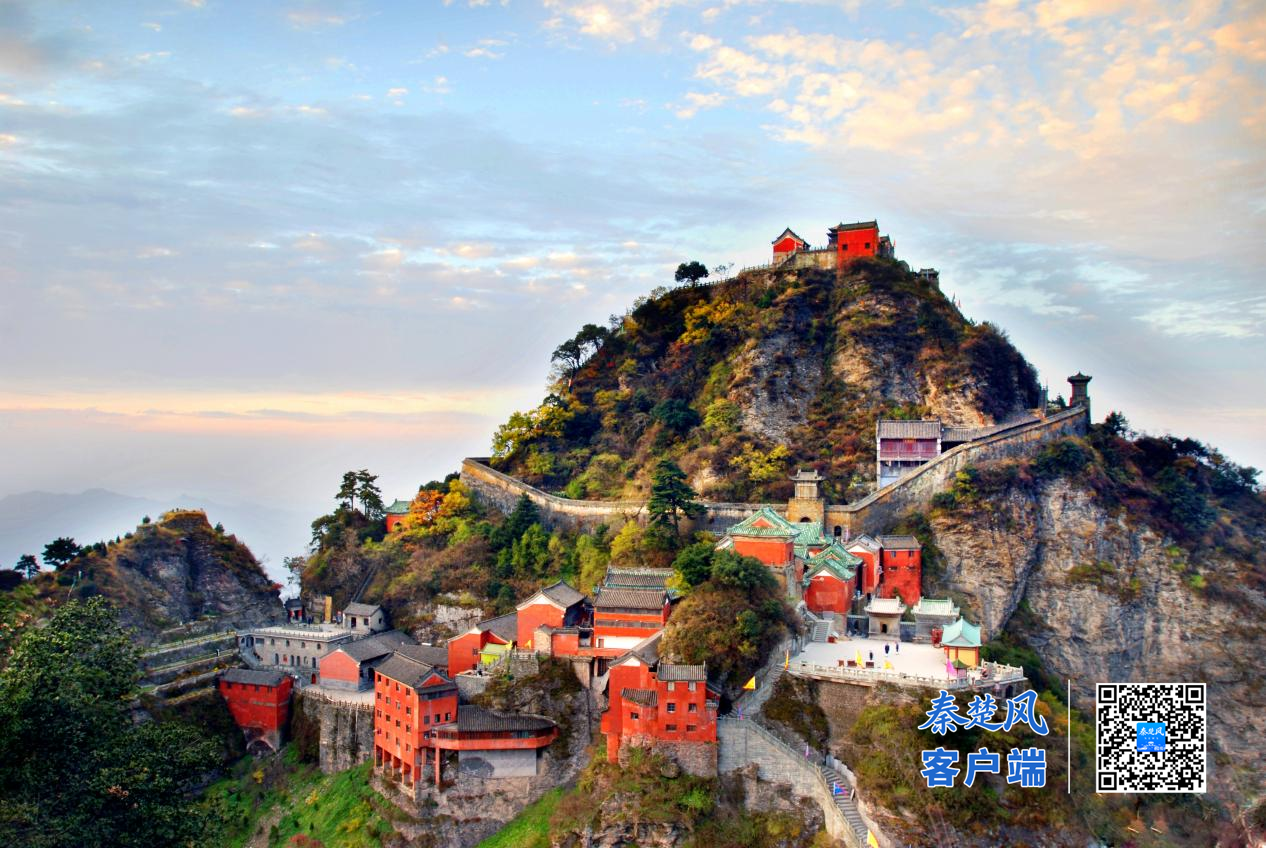
Female visitors can enter the park at half price! Wudang Mountain Scenic Area is offering discounted tickets
2026-04-09 22:02:47
Qin Chu Feng News (Correspondent Tan Mengjie) To celebrate I...
101 Reasons to Stay in Hubei: Wudang Jack: Please Call Me "Old Nei"
2026-04-09 22:03:58
Jack, an American young man who has practiced martial arts o...
Shiyan Wudangshan Airport has newly opened routes to Harbin and Zhuhai. Low-priced air tickets are now available for grabs
2026-04-09 21:56:47
Here it comes! Finally here it comes! Starting from March 31...
On the Golden Summit of Wudang Mountain, which is 1,612 meters above sea level, this "long-lived family" is little known
2026-04-09 22:07:49
Qin Chu Wind News (Shiyan Media Reporters Lu Wei and Liu Kun...
Because of the beautiful scenery of Wudang, people come to stay for the city's best views. "Shiyan, the city of immortal mountains and clear waters" is making all-out efforts to attract tourists
2026-04-09 22:06:08
On the evening of March 11th, at the foot of Wudang Mountain...