


Wudang Culture: How Can the Wisdom of Wudang Martial Arts Be Integrated into People's Daily Lives
2026-08-14 09:43:25
Editor's Note
Wudang, stretching eight hundred miles, is a place of outstanding natural beauty and a cultural heritage that has lasted for a thousand years. As a brilliant gem of China's fine traditional culture, Wudang culture integrates Taoist philosophy, ecological wisdom, the essence of health care, the charm of martial arts and architectural aesthetics. It accumulates the wisdom of Eastern life and spiritual pursuit, and is a precious cultural heritage of the Chinese nation. Under the new circumstances, promoting the creative transformation and innovative development of traditional culture has become an important issue of The Times. How Wudang culture can break away from the deep mountains and integrate into the contemporary era, and how it can empower modern development and nourish people's lives with traditional wisdom, are the core issues that we have been continuously delving into and exploring. For this reason, Qin Chu Network has specially launched the column "Masters Talk about Wudang Culture", welcoming scholars, researchers and enthusiasts of Wudang culture to freely express their insightful views and jointly explore the practical path for the dynamic inheritance of Wudang culture, so that the wisdom of the thousand-year-old Wudang culture can shine into all aspects of modern life.
Let's talk about Wudang Culture
How can the wisdom of Wudang martial arts be integrated into the daily lives of the general public
Tension with relaxation

A thousand-person Tai Chi performance at the Yuxu Palace on Wudang Mountain. Photo by reporter Zhang Jianbo
At six in the morning, in front of the Yuxu Palace on Wudang Mountain, hundreds of people slowly rose to their feet. Among them are elders over seventy years old, office workers in the prime of their lives, and schoolchildren still with a touch of childishness. Every move was as smooth as flowing clouds and water. This scene is played out almost every day.
Wudang martial arts, which originated in Wudang Mountain, are now moving from deep mountain Taoist temples to city squares, evolving from secret master-apprentice transmission to a part of the public's healthy lifestyle. In the current context where the national strategy of promoting fitness for all is being deeply advanced, a question worth in-depth discussion is: How can Wudang martial arts be integrated into public health? How does it imperceptibly enhance people's cultural confidence while strengthening their bodies?
How can the health wisdom of Wudang martial arts be integrated into the masses?
Wudang martial arts are rooted in the Taoist philosophical tradition of "the unity of heaven and man" and "the balance of movement and stillness", with Tai Chi, 八卦掌 and xingyi quan as their core, integrating fitness, health preservation, self-defense and self-cultivation. Unlike other martial arts schools, Wudang martial arts emphasize "using softness to overcome hardness and stillness to control movement", not pursuing forceful force but focusing on the coordination and unity of internal breath control and external body movements.
Man follows the earth, the earth follows the heaven, the heaven follows the Dao, and the Dao follows nature. Wudang martial arts are precisely the physical practice of this concept of "following the natural way". It does not violate the physiological laws of the human body, but conforms to the natural operation rules of the body, achieving smooth flow of qi and blood and balance of Yin and Yang in gentle exercise.
This trait endows it with an inherent advantage of integrating into public health.
First, the threshold is low and the coverage is wide. Modern competitive sports often require professional venues, equipment and high physical fitness, while Wudang martial arts are easy to get started with and are not strictly restricted by age, physical condition or venue. Tai Chi, Baduanjin and other exercises have gentle movements and can be practiced in parks or squares. "An excellent worker treats diseases before they occur, not after they have." " Wudang martial arts are a vivid practice of this concept of "preventing diseases before they occur", allowing people of all ages to find their own suitable ways of practice.
Secondly, it is fully functional and enables the cultivation of both body and mind. Modern health concepts have shifted from mere physical exercise to "comprehensive health", covering three dimensions: physiology, psychology and social adaptation. Wudang martial arts precisely align with this shift - it not only exercises the muscles and bones but also achieves psychological relaxation and emotional calmness through breathing coordination and mental guidance. As one practitioner put it, "When I practice Tai Chi, I feel my whole body calm down." Zhuangzi said, "By breathing in 呴, expelling the old and taking in the new, the bear meridian and the bird meridian, this is longevity." The guiding and breathing exercises in Wudang martial arts are precisely the living inheritance of this ancient wisdom of health preservation.
Thirdly, it is sustainable and benefits for life. Many sports are restricted by age, and people find it hard to continue in middle age. In contrast, Wudang martial arts become more and more enjoyable and show more skills the more one practices. From youth to old age, it can accompany a lifetime. Aunt Zhang, 68 years old from Laoying Community, Wudang Mountain, has seen a significant reduction in knee pain after practicing Tai Chi for half a year. After learning "Cloud Hand", delivery man Liu Peng practiced it a few times while waiting for orders. "I feel much more relaxed all over." People of different ages and occupations can all benefit from it.
It is precisely these three points that constitute the internal logic of integrating Wudang martial arts into public health. It is not a lofty "profound martial art", but a "health-preserving fist" that everyone can learn.
Practical Exploration: How Can Wudang Martial Arts Enter the Lives of Ordinary People?
In recent years, the Wudang Mountain Tourism Economic Special Zone has explored a set of effective paths in promoting the popularization of Wudang martial arts among the general public.
Standardized promotion makes martial arts "follow certain rules".
The inheritance of traditional martial arts relies on the master-apprentice system, which is difficult to meet the demand for large-scale promotion. For this reason, the Wudang Mountain Special Zone has published a standardized textbook titled "Two Boxing and One Weapon Competition Routines", and "Wudang Nine-Posture Tai Chi Chuan" has been listed as a key boxing style for national promotion. With standards in place, there is a replicable and assessable basis for promotion.
In terms of popularization methods, a "layered advancement" strategy is adopted. For teenagers, all primary and secondary schools in Wudang Mountain have set the 3-minute and 40-second Wudang Tai Chi routine as a daily compulsory course, replacing the traditional inter-class exercises. Teachers from Caodian Primary School reported that after students persisted in practicing, "their mental outlook and concentration in class have significantly improved." Schools regularly hold Tai Chi competitions to allow teenagers to gradually experience the charm of traditional martial arts. The Analects of Confucius says: "Set your heart on the Way, rely on virtue, depend on benevolence, and indulge in the arts." The introduction of Wudang martial arts into schools is precisely to enable children to "pursue the way" while "enjoying the art".
For the middle-aged and elderly as well as office workers, Wudang Mountain has launched public welfare courses in communities, schools, government agencies and industrial parks, enabling the public to "practice boxing right out of their homes". According to incomplete statistics, the special economic zone has held over 300 public welfare training sessions, covering more than 50,000 people. Every morning, the crowds of people practicing in front of Wudang Mountain Cultural Square and Yuxu Palace form a warm and heartwarming scene of daily life.
Industrial integration gives martial arts "vitality".
Industrialization is the key to the sustainable development of traditional sports. Wudang Mountain has established an integrated model of "martial arts + cultural tourism", "martial arts + training" and "martial arts + health care".
In terms of the integration of culture and tourism, Wudang Mountain combines martial arts with mountain and water sightseeing and cultural experiences, and develops products such as study Tours and kung fu experiences. Performances such as "A Dream of Wudang" have become new landmarks for cultural tourism. Nearly a hundred health and wellness homestays have been built and put into operation, creating a consumption scenario where "tourism is fitness and fitness is health preservation". A tourist from Shanghai said, "In the past, when I came to Wudang Mountain, I just climbed the mountain and enjoyed the scenery. Now I can stay and learn Tai Chi for a few days. The gains are completely different."
In terms of training formats, 45 Wudang martial arts promotion centers have been established worldwide, covering Southeast Asia, Europe and America, with a total of over 500,000 members developed.
In the health and wellness industry, relying on the health-preserving characteristics of martial arts and integrating Taoist medicine and dietary therapy resources, personalized conditioning plans are launched for chronic diseases. A follow-up survey of 200 elderly people shows that those who have persisted in practicing Wudang Tai Chi for more than half a year have seen a 78% improvement in sleep quality. These data are powerful evidence of the health value of Wudang martial arts.
New media dissemination makes martial arts "within easy reach".
By leveraging new media means such as short videos and live streaming, Wudang martial arts have broken through geographical boundaries and attracted a large number of young people to participate. On the Douyin platform, the topic "Wudang Tai Chi" has been viewed over 200 million times. Young people learn a simplified version of Tai Chi online as a way to keep fit and relieve stress on a daily basis. A netizen born in the 1990s left a comment: "I used to think that Tai Chi was practiced by my grandparents. But after trying it myself, I realized it's really stress-relieving." The thousand-year-old martial arts have shed the label of being "outdated and niche" and have become a trendy and healthy choice.

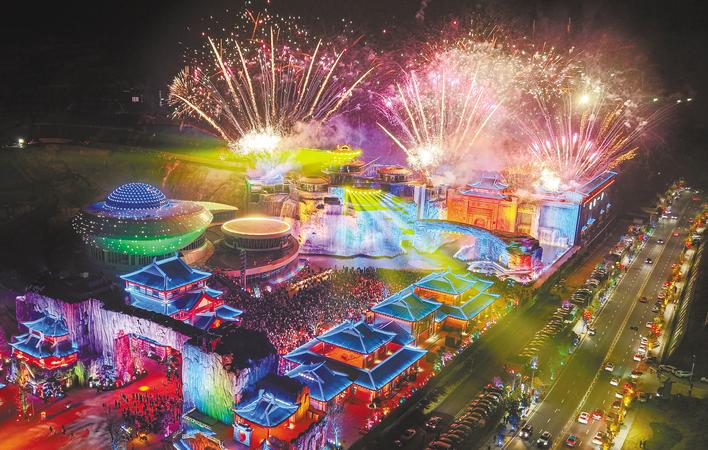
"Wudang Dream" has gone viral. Photo provided by Wudang Media
Reflection and Prospect: Where is the Path for Wudang Martial Arts to Integrate into the Masses?
Despite its remarkable achievements, the integration of Wudang martial arts into public health still faces several issues worthy of attention.
One is the lack of uniform standards. A few training institutions have varying qualifications and their teaching contents are of uneven quality, which has affected the brand image of Wudang martial arts. Some practitioners have reported that the movements of "Tai Chi" they learn in different places vary greatly, leaving them at a loss.
The second issue is that the exploration of its connotation is not deep enough. In practice, there is a tendency to "emphasize actions over theory", and practitioners often know what to do but not why. After mastering a set of Tai Chi, the movements become standard, but the practitioners are not clear about why they perform it this way or what the reasoning behind it is.
The third issue is the insufficient reserve of talents. There is a shortage of compound talents who are proficient in Wudang martial arts techniques and possess modern teaching capabilities. Many coaches are highly skilled, but they are not proficient in how to popularize knowledge among the general public or how to integrate it with new media.
Fourth, there is still a long way to go in terms of rejuvenation. Although many young people on short-video platforms have begun to pay attention to Tai Chi, the stereotype that "Tai Chi is a sport for the elderly" has not been fundamentally reversed. How to get more young people willing to get close to Wudang martial arts remains an unsolved problem.
The key to solving these problems lies in adhering to the principle of "inheriting the essence and upholding tradition while innovating". Neither should we abandon our cultural roots to cater to the market, nor should we cling to tradition and refuse to engage in dialogue with The Times. When one is in a difficult situation, one must change; when one changes, one will find a way; when one finds a way, one will last long. The contemporary inheritance of Wudang martial arts requires finding an appropriate balance between change and constancy.
Wudang martial arts have moved from the sacred mountain Taoist temples to the daily life of the general public. Their integration into the practice of public health has demonstrated a feasible path for the modernization of traditional sports. Its value is no longer confined to the act of punching and kicking. When a 68-year-old man relieved his knee pain through Tai Chi, when a French student understood "softness overcomes hardness" on Wudang Mountain, when a delivery man skillfully practiced "cloud hand" while waiting for his order, and when a group of primary school students practiced Tai Chi during the break exercise time - Wudang martial arts are becoming a spiritual bond connecting individual health, cultural identity and social development.
The process of integrating Wudang martial arts into public health and enhancing cultural confidence requires not only the promotion of top-level design but also the persistence of every practitioner. Today, with the in-depth implementation of the national fitness strategy and the continuous advancement of cultural confidence building, inheriting and promoting Wudang martial arts is not only a safeguard of fine traditional culture but also a response to The Times of a healthy China and a culturally strong country.
(The author is a master's student in regional industry and a researcher of Wudang culture.)
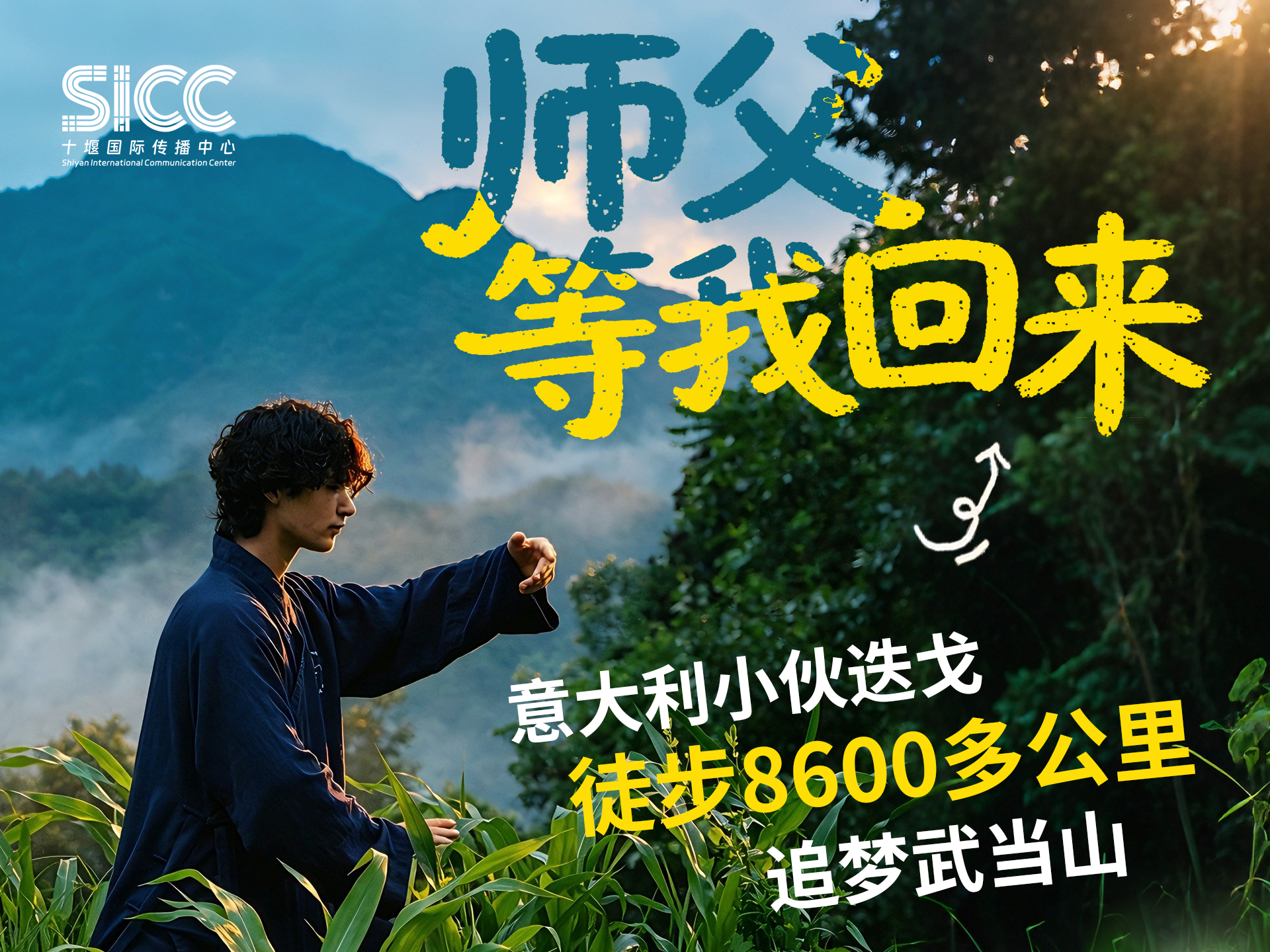
Love never stops at reaching. "Wudang, I'll be back again!"
2026-06-26 15:11:19
Love never stops at reaching. Diego, an Italian youth, hiked...
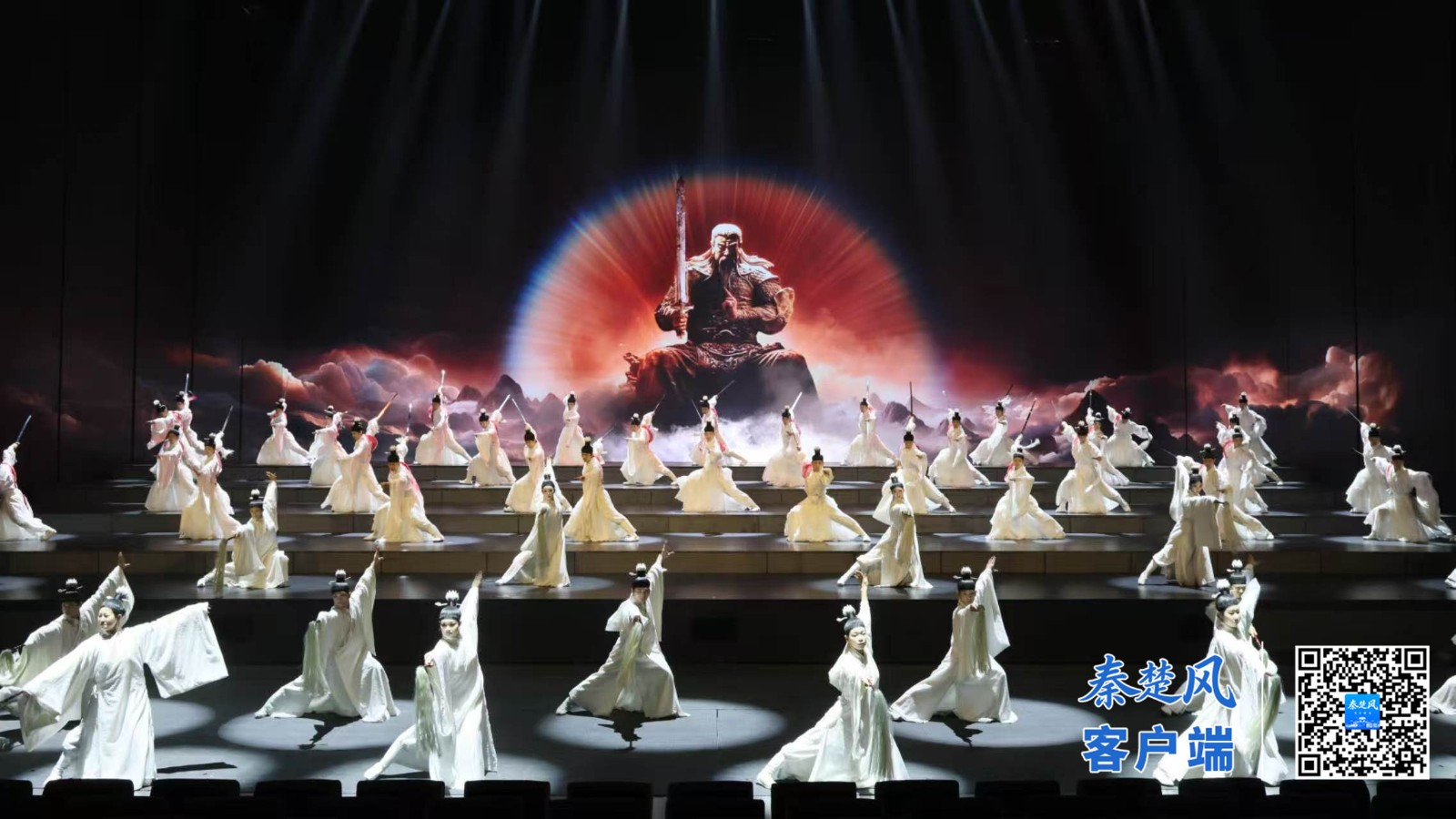
Announcement on the Adjustment of Performance Time for "Wudang Yimeng
2026-04-09 22:56:30
Dear visitors: In order to further optimize the experience o...
Special offer air tickets for Shiyan Wudangshan Airport starting from 200 yuan in March have been released
2026-04-10 00:01:36
The warm March breeze is here. Saying goodbye to the high pr...
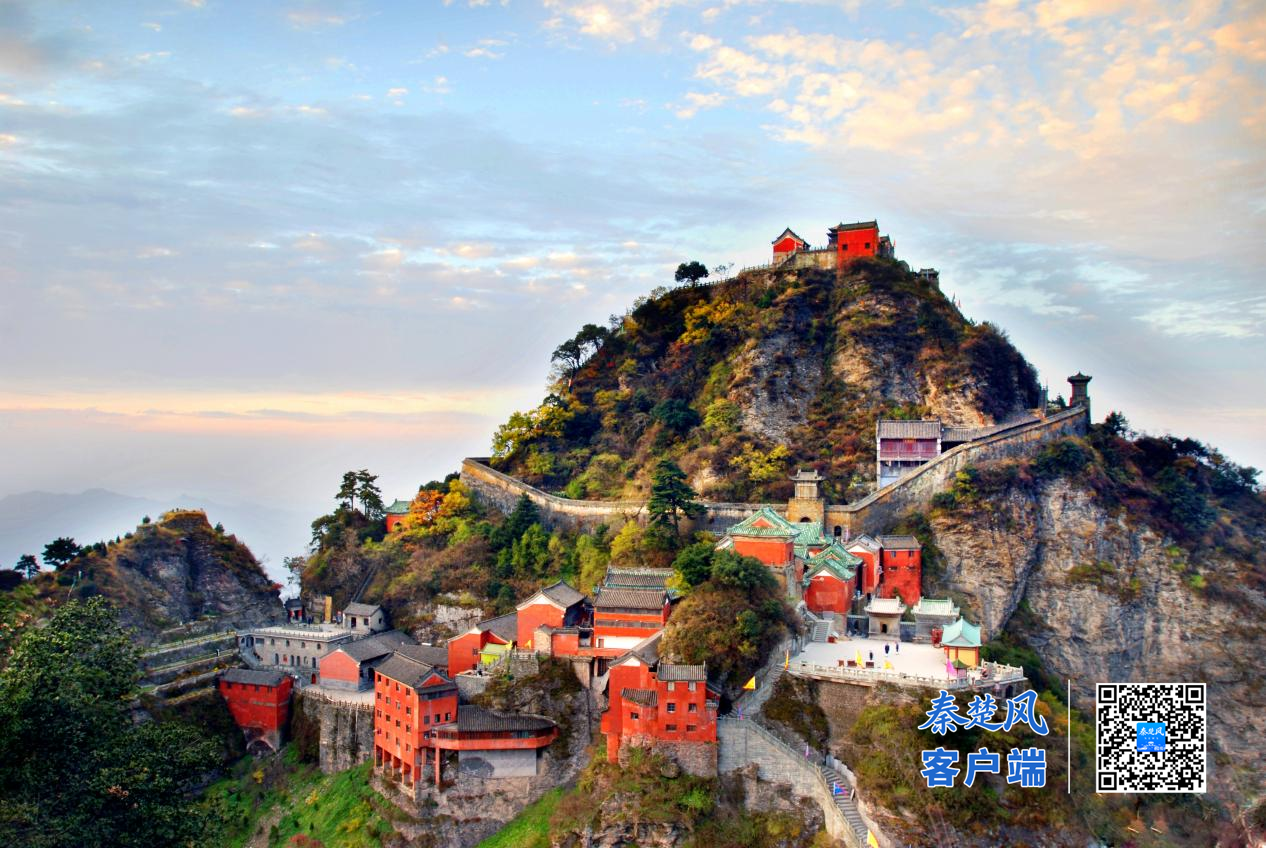
Female visitors can enter the park at half price! Wudang Mountain Scenic Area is offering discounted tickets
2026-04-09 22:02:47
Qin Chu Feng News (Correspondent Tan Mengjie) To celebrate I...
101 Reasons to Stay in Hubei: Wudang Jack: Please Call Me "Old Nei"
2026-04-09 22:03:58
Jack, an American young man who has practiced martial arts o...
Shiyan Wudangshan Airport has newly opened routes to Harbin and Zhuhai. Low-priced air tickets are now available for grabs
2026-04-09 21:56:47
Here it comes! Finally here it comes! Starting from March 31...
On the Golden Summit of Wudang Mountain, which is 1,612 meters above sea level, this "long-lived family" is little known
2026-04-09 22:07:49
Qin Chu Wind News (Shiyan Media Reporters Lu Wei and Liu Kun...
Because of the beautiful scenery of Wudang, people come to stay for the city's best views. "Shiyan, the city of immortal mountains and clear waters" is making all-out efforts to attract tourists
2026-04-09 22:06:08
On the evening of March 11th, at the foot of Wudang Mountain...