


Zixiao Palace
2022-08-20 23:32:13

The grand and imposing Zixiao Palace is located at the foot of Zhanqi Peak on Wudang Mountain. Surrounded by numerous peaks and ridges, this place is deep and lush with pine and cypress forests. The environment is elegant and the climate is pleasant. It has always been regarded as the "Blessed Land of Zixiao".
The Zixiao Palace was first built during the Xuanhe period of the Song Dynasty. According to historical records, Emperor Huizong of the Song Dynasty believed in Taoism and styled himself as the Daoist Lord Emperor. Once, Emperor Huizong of the Song Dynasty had a dream in which he dreamed of the "Fire God". A Taoist priest fulfilled his dream, saying that the Water God should be sent to the south to suppress the enemy so that he could have no worries. So a Taoist temple was built here and named "Zixiao Yuansheng Palace". At the end of the Song Dynasty, the Jin army advanced southward, and the Zixiao Yuansheng Palace suffered a tragic disaster. At the beginning of the Yuan Dynasty, Kublai Khan, the founding emperor, used religion to stabilize the people's hearts. He sent officials to bestow seals, restored Taoism, and once again initiated large-scale construction projects to rebuild the Zixiao Palace, making it a "place for the state to pray for blessings".
In the early Ming Dynasty, after Emperor Chengzu Zhu Di seized the throne, he issued an edict to the whole country to carry out a major renovation of Wudang. The Zixiao Palace was one of the important palaces constructed. After its completion, it was bestowed the title of "Taixuan Zixiao Palace". During the Jiajing period of the Ming Dynasty, the Zixiao Palace underwent a large-scale expansion, with the number of halls and Taoist rooms reaching 860.
The Zixiao Grand Hall is the only double-eaved hip-and-gable wooden structure hall on Wudang Mountain. This Taoist building with a large wooden structure and raised beams, which is one of the few among the ancient buildings in China, is built on a three-story high platform by taking advantage of the terrain drop, making it even more magnificent and imposing.
Because Zixiao Palace holds a special status as a place for the royal family to pray for blessings in Wudang Taoism, its layout is solemn and the furnishings are exquisite. Each hall is filled with deities and immortals worshipped by Taoism, along with divine tables, offerings, and ritual implements, forming a mysterious and ethereal world of immortals. Emperors of the Song, Yuan, Ming and Qing dynasties often issued ceremonies here to set up altars and hold Taoist rituals, praying and praising the spirits of their ancestors in heaven. At the same time, they sought divine assistance to ensure national peace and prosperity, favorable weather, bountiful harvests and the consolidation of the imperial plan.
Zixiao Palace has a history of nearly a thousand years. Its architectural concept that conforms to nature fully embodies the connotation of Taoist culture. It retains rich and vivid ancient cultural content. In 1982, Zixiao Palace was listed as a key national cultural relic protection unit, and in 1984, it was opened as a key national religious activity site.
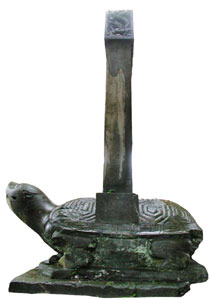
Wulong Palace Imperial Stele Pavilion No. 1
2022-08-20 23:32:13
Wulong Palace Imperial Stele Pavilion No. 1
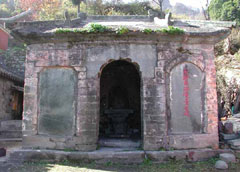
The Middle view of the Yuan Dynasty stone hall
2022-08-20 23:32:13
The Middle view of the Yuan Dynasty stone hall

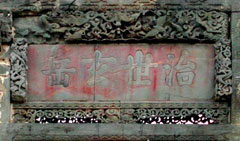
The Mystic Mountain for governing the world
2022-08-20 23:32:13
The Mystic Mountain for governing the world
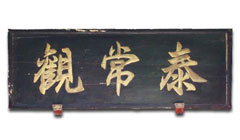
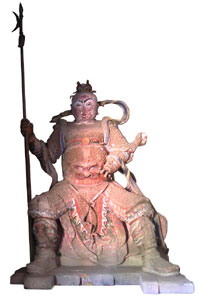
The white tiger in the Dragon and Tiger Hall of Zixiao Palace
2022-08-20 23:32:13
The white tiger in the Dragon and Tiger Hall of Zixiao Palac...
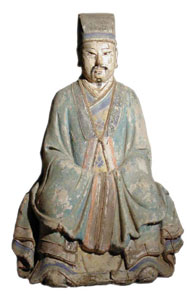
The main hall of the Five Dragons Palace has three statues
2022-08-20 23:32:13
The main hall of the Five Dragons Palace has three statues
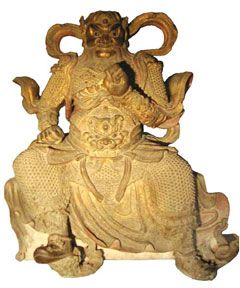
The main deity statue in the main hall of Yuanhe Temple
2022-08-20 23:32:13
The main deity statue in the main hall of Yuanhe Temple