


Yuxu Palace Imperial Stele Pavilion No. 4
2022-08-20 23:32:13
The two stele pavilions in the Luo City within the Yuxu Palace are remnants from the Yongle period of the Ming Dynasty. The form of inscriptions on guilt-carrying steles has evolved from ancient forms such as turtle inscriptions, plate inscriptions, tripod inscriptions, and stele inscriptions. The ancients believed that the form and living habits of the spiritual turtle were similar to the original meaning of "Dao", and they thought it had the qualification and ability to convey important announcements. The Dongbei Pavilion is the "Imperial Monument of the Great Mountain Taihe Mountain Road Palace", which records the reasons and process of the emperor's major renovation of Wudang. It was erected in the 16th year of Yongle in the Ming Dynasty. The Xibei Pavilion, known as the "Imperial Edict Stele", records the emperor's discipline towards the Taoist priests in the temple and visitors to Wudang Mountain. It was erected in the 11th year of Yongle in the Ming Dynasty. Yuxu Palace is the religious activity center of Wudang Mountain. Many national-level sacrificial activities and Taoist ceremonies are held here. During the Tang, Song and Yuan dynasties, sacrificial and sacrificial ceremonies were quite common among the royal family and the common people on Wudang Mountain. The activities reached their peak in the Ming Dynasty. After the Ming Dynasty established its capital in Nanjing, it was stipulated that on the third day of the third lunar month, the birthday of Zhenwu's descent, and on the ninth day of the ninth lunar month, the day of Zhenwu's ascension, sacrificial ceremonies and prayers should be held. After the Yongle period of the Ming Dynasty, emperors of all dynasties frequently sent officials to Wudang Mountain to hold the "Golden Seal Grand Ritual" to worship Zhenwu. During the "Thousand Autumns Festival", the empress, concubines, princes, princesses and others also sent people to Wudang Mountain to hold Taoist ceremonies and pray for blessings. At that time, there were countless sacrificial activities such as praying for rain, snow, and warding off disasters on Wudang Mountain. Therefore, many small sacrificial steles were left in the stele pavilion. The inscriptions on the steles recorded the situation of the sacrificial activities at that time and are extremely precious physical objects for the study of the history of Taoism in Wudang.
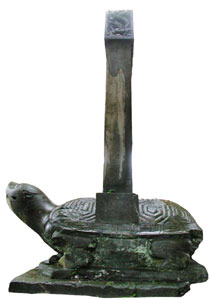
Wulong Palace Imperial Stele Pavilion No. 1
2022-08-20 23:32:13
Wulong Palace Imperial Stele Pavilion No. 1
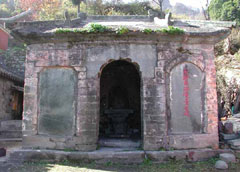
The Middle view of the Yuan Dynasty stone hall
2022-08-20 23:32:13
The Middle view of the Yuan Dynasty stone hall

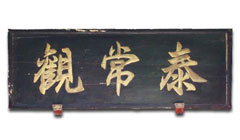
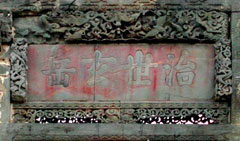
The Mystic Mountain for governing the world
2022-08-20 23:32:13
The Mystic Mountain for governing the world
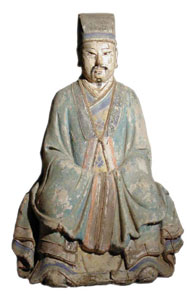
The main hall of the Five Dragons Palace has three statues
2022-08-20 23:32:13
The main hall of the Five Dragons Palace has three statues
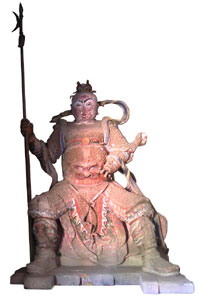
The white tiger in the Dragon and Tiger Hall of Zixiao Palace
2022-08-20 23:32:13
The white tiger in the Dragon and Tiger Hall of Zixiao Palac...
