


The First Imperial Stele Pavilion of Yuxu Palace
2022-08-20 23:32:13
Outside the Jade Xu Palace lies the Luo City, where two imperial stele pavilions from the Jiajing period of the Ming Dynasty are preserved. They serve as historical witnesses to another major renovation and expansion of Wudang Mountain after its completion. The form of inscriptions on guilt-carrying steles has evolved from ancient forms such as turtle inscriptions, plate inscriptions, tripod inscriptions, and stele inscriptions. The ancients believed that the form and living habits of the spiritual turtle were similar to the original meaning of "Dao", and they thought it had the qualification and ability to convey important announcements. The Xibei Pavilion is home to the "Imperial Edict" stele. The cap of the stele features a pattern of two dragons playing with a pearl. It is 7.81 meters high and was erected in the 31st year of the Jiajing reign of the Ming Dynasty. The inscription on the stele is an order issued by the emperor, stating that it has been over a hundred years since the founding emperor of the Ming Dynasty built the Taihe Mountain Blessed Land. Over time, it has suffered some damage. The emperor ordered the provincial governors of Hubei and Hunan to conduct on-site investigations and measurements, verify the contents of the works that need to be repaired and improved, and estimate the labor costs. Report to the Ministry of Works and others within 40 days. This order marked the beginning of another major renovation of Wudang during the Ming Dynasty.
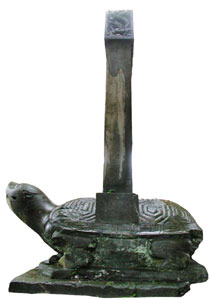
Wulong Palace Imperial Stele Pavilion No. 1
2022-08-20 23:32:13
Wulong Palace Imperial Stele Pavilion No. 1
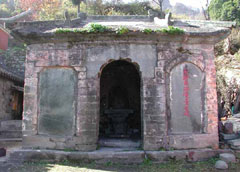
The Middle view of the Yuan Dynasty stone hall
2022-08-20 23:32:13
The Middle view of the Yuan Dynasty stone hall

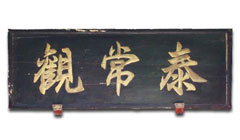
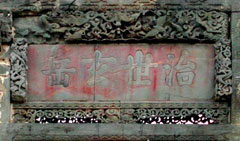
The Mystic Mountain for governing the world
2022-08-20 23:32:13
The Mystic Mountain for governing the world
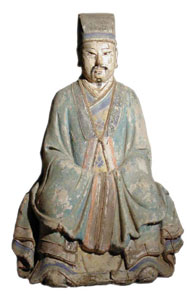
The main hall of the Five Dragons Palace has three statues
2022-08-20 23:32:13
The main hall of the Five Dragons Palace has three statues
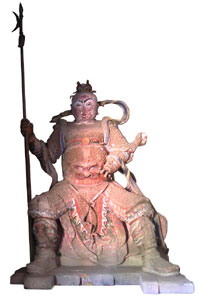
The white tiger in the Dragon and Tiger Hall of Zixiao Palace
2022-08-20 23:32:13
The white tiger in the Dragon and Tiger Hall of Zixiao Palac...
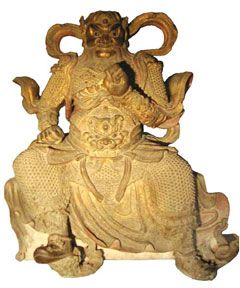
The main deity statue in the main hall of Yuanhe Temple
2022-08-20 23:32:13
The main deity statue in the main hall of Yuanhe Temple