


"Bran Li
2022-08-20 23:32:13
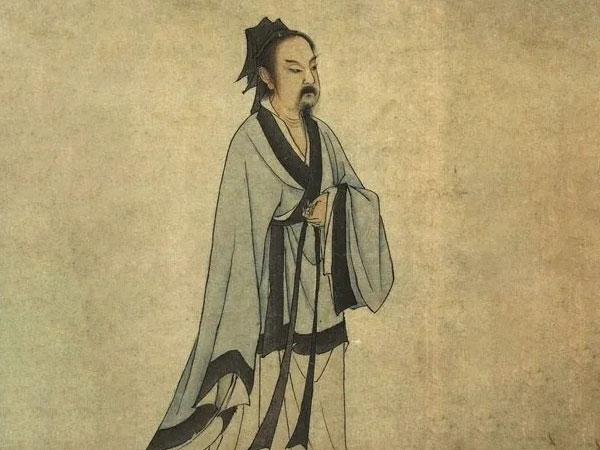
Branzi Li was a renowned hermit on Wudang Mountain during the Ming Dynasty. The world did not know his given name, only that his surname was Li. Because he ate wheat bran every day and did not eat anything else, people all called him Bran Li. According to the "Great Mountain Taihe Mountain Annals", during the Zhengde period of the Ming Dynasty (1506-1521 AD), Li Xianming, known as "LAN Zi", was invited to the palace by the Yongding King of Jing Fan. When asked about the key to immortality, he only replied with the Confucian principles of self-cultivation, family management, and state governance, without any other words. King Yongding had no choice but to return it with generous gifts and accompanied the boat with more than ten guards to see it off. When the boat reached the surface of the Hankou River, Li Hu disappeared from the boat. The guards turned back to report. King Yongding, upon learning that something was amiss, ordered the guards to visit Wudang Mountain again. When they reached Wudang Mountain, they heard that Li Branzi had already passed away. Later, someone saw it again walking on the mountain. According to the "Biographies of Later Immortals" in the "Complete Works of Mr. Zhang Sanfeng", Li Shi, whose given name was Xingzhi, was from Chu (now Hubei Province). He went to Wudang to practice Taoism and met Sanfeng who taught him the elixir technique. Later, he achieved enlightenment. This statement indicates that Branzi Li is a disciple of Zhang Sanfeng. According to the "Discussion on the Origin and Branch of Song-style Tai Chi" by Song Yuanqiao, a person from the early Ming Dynasty, the Song family passed down the "Three Generations and Seven" Tai Chi skills of Xu Xuanping, a Taoist priest of the Tang Dynasty. Later, when traveling in Jing County, Anhui Province, they heard that the Yu family there had also been proficient in Tai Chi skills for generations, so they went to visit. By inquiring about its origin and development, it is known that it was passed down by Li Daozi, another Taoist in the Tang Dynasty. It is also said that Li Daozi lived in Qianshan. Yu Men, from the Tang Dynasty to the Song Dynasty, would visit him every year. By the end of the Song Dynasty, Li Daozi's whereabouts were unknown. Later, Song Yuanqiao became good friends with Yu Lianzhou, the successor of the Yu School of Tai Chi, and they traveled together. Not long after, the two arrived at Wudang Mountain in Junzhou, Hubei Province, where they met a disheveled Taoist priest who directly called Yu Lianzhou his great-grandson. Yu Lianzhou thought that this Taoist was being impolite and scolded him, so he said, "Seeing that you are so frail and unable to withstand a single palm strike from me, how dare you be so impolite?" The Taoist priest chuckled and said, "I'd like to see how good my disciple Chongsun's hand skills are." Yu Lianzhou then flew into a rage and made a move. Before he could even reach the Taoist, the Taoist struck him down more than ten feet in the air. When Yu Zhi met an extraordinary person, he asked about the person's origin. The Taoist did not give a direct answer but only inquired about the names of Yu Lianzhou's ancestors, Yu Qinghui and Yu Yicheng. Yu Lianzhou was greatly shocked and only then did he learn that it was Li Daozi, the senior of the Yu School of Tai Chi. The Taoist said, "I have been on Wudang Mountain for decades without saying a word. Your meeting me now is truly a great blessing. Let me pass on some more martial arts skills to you." So he taught his skills to Yu Lianzhou again. The two of them wandered around again. From then on, Yu Lianzhou's boxing skills were invincible. Song Yuanqiao also recorded that at that time, his Tai Chi friends also included Zhang Songxi, Zhang Cuishan, Yin Liheng, Mo Gusheng, Yu Daiyan and others from all over the Jiangnan region. Later, the seven of them went to Wudang Mountain together to pay a visit to Li Daozi, but they never met him again. Therefore, he went to the Yuxu Palace to pay a visit to Zhang Sanfeng, the teacher of Zhang Songxi and Zhang Cuishan. Zhang Sanfeng taught the seven of them Tai Chi for over a month before they returned to their hometown. From the above records and through analysis, it can be seen that Branzi Li was probably a famous Taoist priest who came to Wudang Mountain at the end of the Yuan Dynasty and the beginning of the Ming Dynasty. Master the techniques of alchemy and Tai Chi. The Complete Works of Sanfeng records that he once learned Tai Chi from Zhang Sanfeng. This is probably the result of Sanfeng's later disciples praising their teacher. Since the Tang and Song Dynasties, Tai Chi has been passed down in Taoist schools. As Li Daozi was the teacher of the ancestors of the Yu School, he must have mastered Tai Chi earlier. The relationship between him and Zhang Sanfeng on Wudang Mountain should have been one of mutual learning and exchange. There should be no such thing as one student and the other's teacher. However, Yu Lianzhou believed that Li Daozi was the Li Daozi of the Tang Dynasty. This was probably the suspicion of Song Yuanqiao and Yu Lianzhou. Since Fu Zi Li did not directly state the names and surnames of the two, but only mentioned the relationship with Yu's ancestors, it seems that he was not Li Daozi of the Tang Dynasty, but Li Xingzhi, a native of Hubei during the Yuan Dynasty. However, he might have been the successor of Li Daozi's Tai Chi in the Tang Dynasty and had a relationship with the ancestors of the Yu school (who should have been ancestors in the early or middle Yuan Dynasty) to teach Tai Chi on behalf of others. Therefore, Song and Yu had the mistake of suspicion. From the relevant records about Branzi Li, we can see that in the early Ming Dynasty, many Taoists in the Wudang Taoist School had already inherited the Taoist Tai Chi skills that had been practiced since the Tang and Song Dynasties. Fu Zi Li is one of those who remain true to themselves without showing off. This is why it was possible that Zhang Sanfeng later founded the Wudang Boxing School.
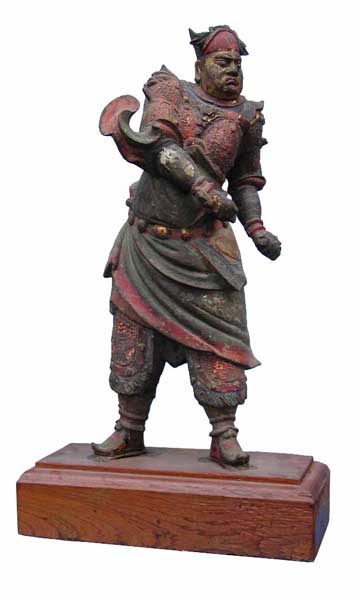
One of the stars of the Big Dipper
2026-04-15 11:51:31
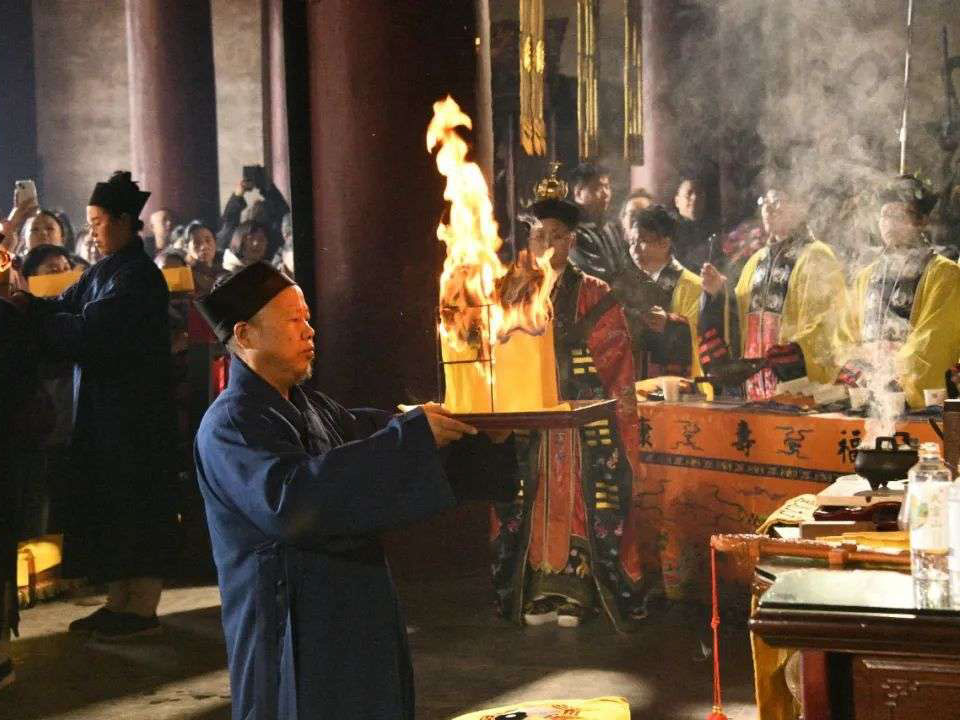
(1) The meaning of the ritual of fasting and Taoist ceremonies
2022-08-20 23:32:13
The original meaning of "zhai" was to be neat, harmonious an...
Yin GUI
2022-08-20 23:32:13
Chapter 27
2022-08-20 23:32:13
Chapter 72
2022-08-20 23:32:13
The couplet of the ancestral hall of the Wudang Mountain Temple
2022-08-20 23:32:13
Chapter 19
2022-08-20 23:32:13