


Qingwei Palace
2022-08-20 23:32:13
Qingwei Palace is one of the eight palaces first built during the Great Xiuwu period of the Ming Dynasty. It holds an important position among the ancient architectural complexes of Wudang Mountain. It is located about 1.5 kilometers west of the Golden Summit of Wudang Mountain, surrounded by numerous peaks, with a serene and peaceful environment. According to research, the Qingwei Palace was initially built in the Tang and Song Dynasties, and the buildings here were already of considerable scale in the Yuan Dynasty. In the tenth year of Yongle of the Ming Dynasty, 31 rooms including the Xuan Emperor Hall, the mountain gate and 廊庑 were built by imperial decree, and the name "Qingwei Heavenly Palace" was granted. During the Jiajing period of the Ming Dynasty, it was expanded again, with over 300 halls and Taoist rooms. The buildings of the Qingwei Palace have long been completely destroyed. What we can see now is the ruins of the Qingwei Palace in the past, covering nearly a thousand mu. From this, we can see its former grandeur. Qingwei Palace holds an important position in the history of Taoism on Wudang Mountain. It was once a gathering place for eminent Taoists and served as a crucial venue for teaching and preaching in Wudang Taoism. It was also a place for wandering Taoists and Taoists from the Golden Summit Taihe Palace to practice Taoism. According to historical records, Ye Yunlai, a Taoist priest of the Qingwei Sect who was "personally appointed as the commander and protector of Wudang" by Kublai Khan in the early Yuan Dynasty, taught and preached here. Zhang Shouqing, the founder of the New Wudang School in the Yuan Dynasty, held a lecture here, and "more than 4,000 generations of people vied to listen to his lectures." According to experts' research, during the Yuan Dynasty, this place was the center for the northward spread of the Qingwei Daoist Law. At that time, the Taoists on Wudang Mountain had a relatively high literary attainment. They compiled and published many Taoist books and classics, which expanded the influence of Wudang Taoism. Especially the publication of books such as Qingwei Daofa listed Xuan Di Zhenwu as one of the "patriarchs" and called him the "Master of all Laws", integrating the three religions into one and advocating internal cultivation as the foundation and 符箓 as the secondary. The Qingwei Dan Technique highlights three stages of cultivation: refining essence into qi, refining qi into spirit, and refining spirit to align with the Dao. It is unique and has had a significant influence in society.
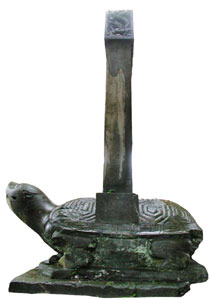
Wulong Palace Imperial Stele Pavilion No. 1
2022-08-20 23:32:13
Wulong Palace Imperial Stele Pavilion No. 1
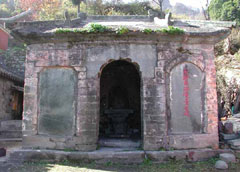
The Middle view of the Yuan Dynasty stone hall
2022-08-20 23:32:13
The Middle view of the Yuan Dynasty stone hall
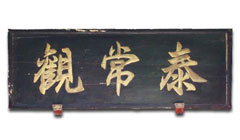

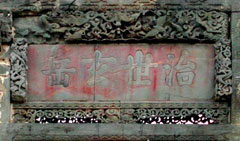
The Mystic Mountain for governing the world
2022-08-20 23:32:13
The Mystic Mountain for governing the world
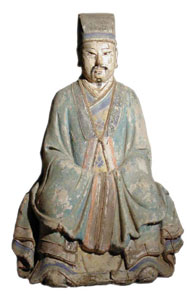
The main hall of the Five Dragons Palace has three statues
2022-08-20 23:32:13
The main hall of the Five Dragons Palace has three statues
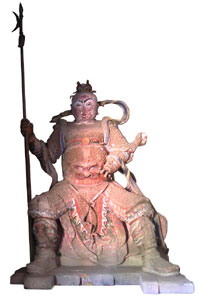
The white tiger in the Dragon and Tiger Hall of Zixiao Palace
2022-08-20 23:32:13
The white tiger in the Dragon and Tiger Hall of Zixiao Palac...
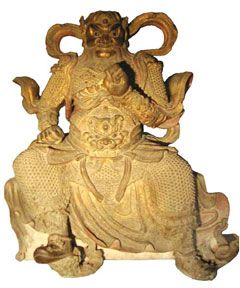
The main deity statue in the main hall of Yuanhe Temple
2022-08-20 23:32:13
The main deity statue in the main hall of Yuanhe Temple